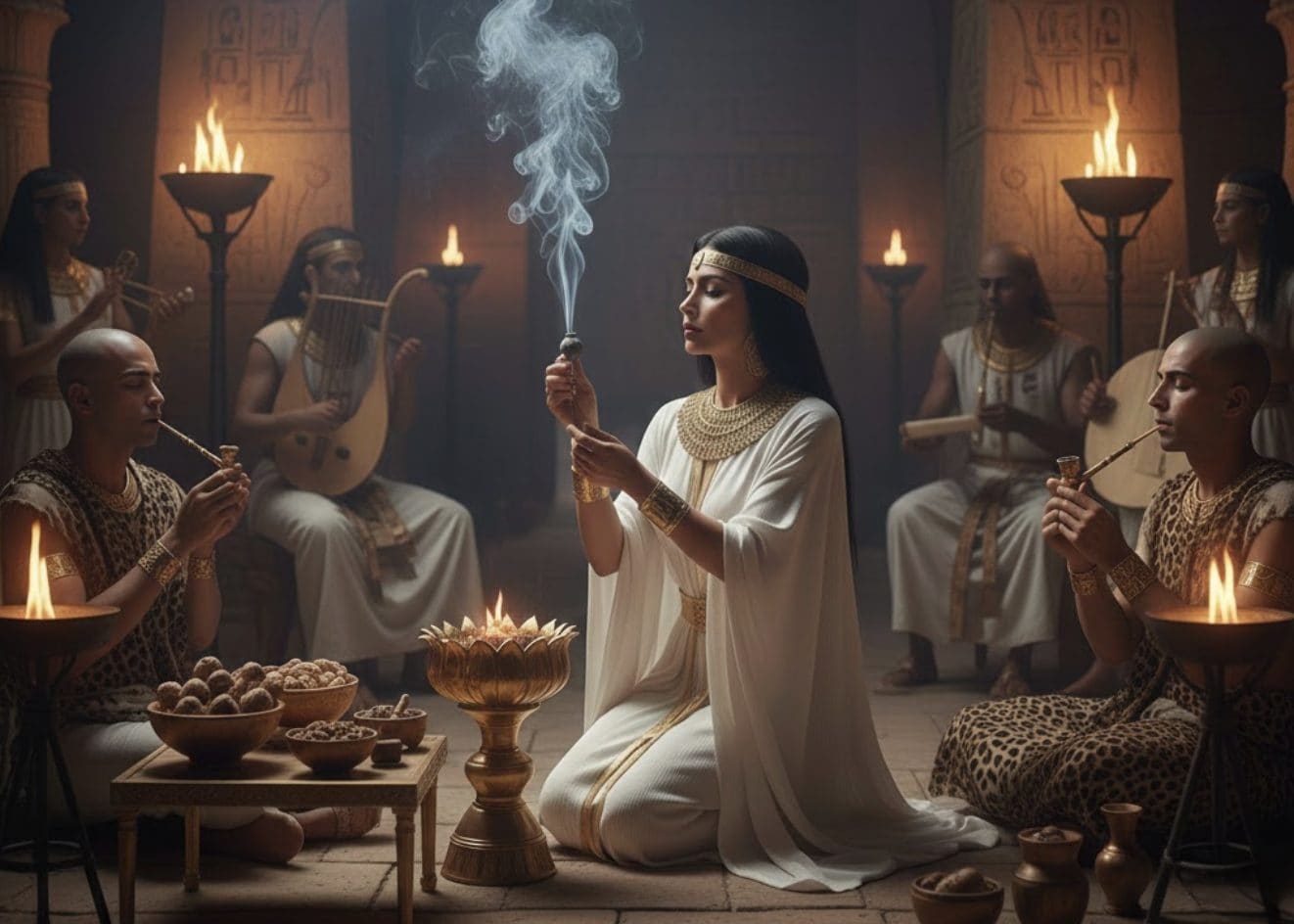
Traces of opiates inside an ancient Egyptian vase dated to 5th century B.C were discovered by a research group from Yale University. This is an exceptional discovery, because despite the use of psychotropic substances in Ancient Egypt has been attested for years (in other containers from the older Egyptian era, found in grave goods from different periods), this is the first time ever that the presence of opiates in a vase of this type has been reported.
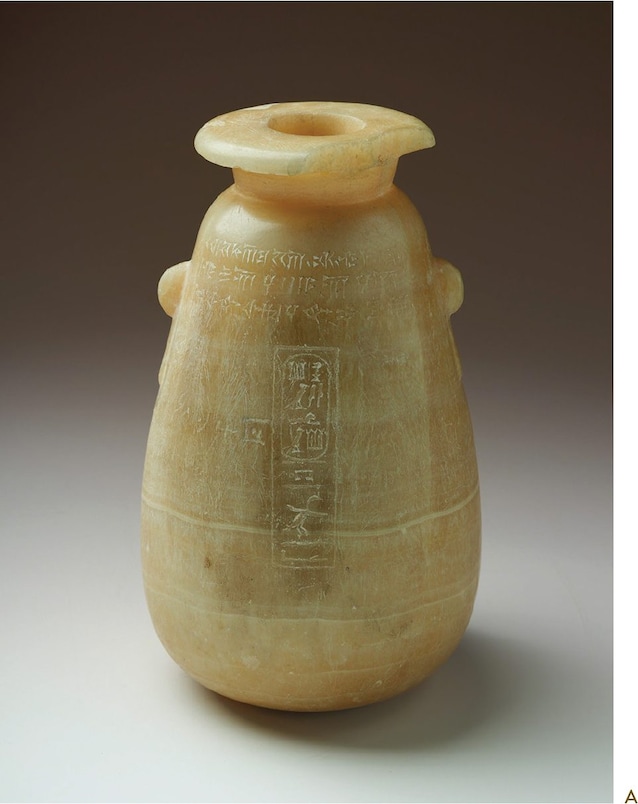
The researchers from the Yale Ancient Pharmacology Program (YAPP), led by Andrew J. Koh. YAPP deals precisely with the study of ancient pharmaceutical knowledgefollowing one approach multidisciplinary. Last year, in the collection of the University of Tampa in Florida, a Bes vase from the Ptolemaic era (4th-1st century BC) which had yielded traces of psychotropic substances. The YAPP study, however, focused on a alabastronsmall type of vase used for holding perfumes And ointmentsdating back to the reign ofPersian emperor Xerxes I (who reigned between 485 and 465 BC and is known because he tried in vain to invade Greece), at the time of Persian domination over Egypt.
THE’alabastron in question, belonging to Yale Babylonian Collectionis of a very particular type. It is a small object (22×10 cm) in calcitewith a dedication to the Great King Xerxes, which however has the specificity of being inscribed in well four languages: Akkadian (a language of ancient Mesopotamia), Elamite (a language of ancient Persia), Persian and Egyptian.
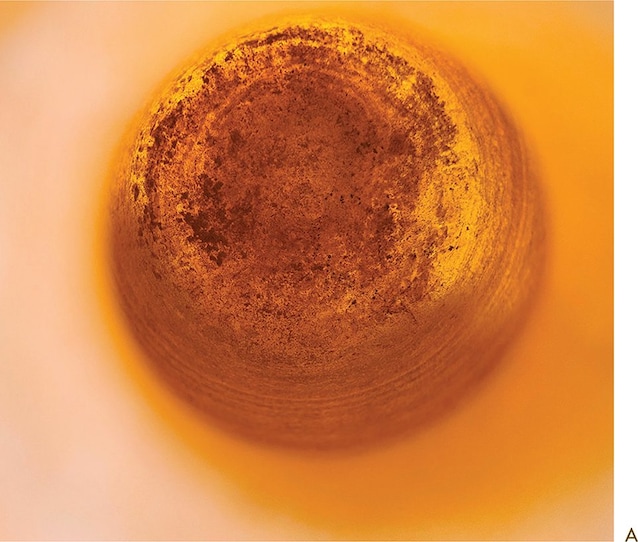
The US study group subjected the jar to some chemical analyses to locate tracks (biomarker) of the substances it contained in the past. For pick up the molecules of these substances – which remained for thousands of years among the porosities of the calcite in which thealabastron – without damaging the vase, the researchers used a solvent that allowed them to dissolve in a liquid without carrying out any type of destructive sampling. The extracted liquid sample was then subjected to gas chromatography ea mass spectrometrywhich made it possible to isolate the substances contained and identify them. Being a alabastronwhich as we said in ancient times was used to contain perfumes and oils, the researchers were surprised to discover that the jar contained none of this.
THE biomarker reported by the analysis are those of plant alkaloids Papaver somniferumThe opium poppy: morphine, codeine, thebaine, papaverine, noscapine, hydrocortanine. These substances coexist solely in the opium plant, unequivocally indicating that within thealabastron contained a preparation based on opium.
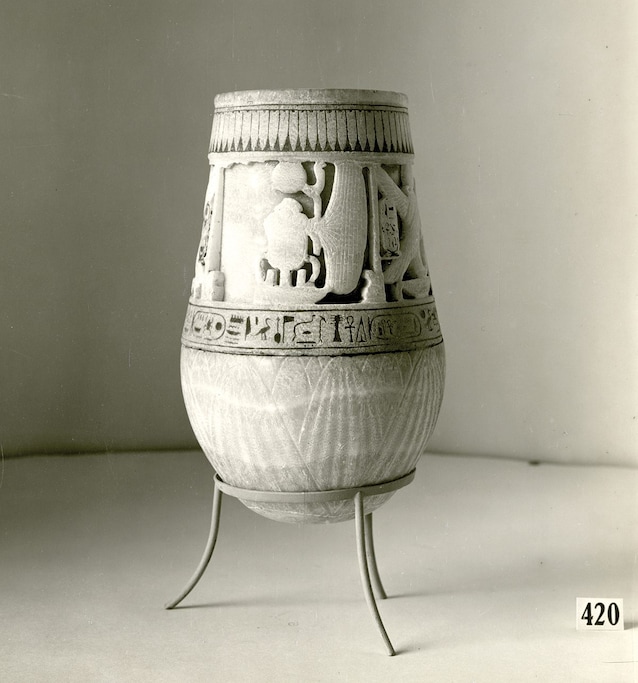
The discovery of YAPP opens new and interesting study perspectivesand other containers of this type from the Egyptian era could be subjected to chemical analyzes to detect the presence of opiate-based substances, such as the one discovered by Howard Carter: when in 1922 he discovered Tutankhamun’s tomb (much older than thealabastron studied by YAPP), detected traces of one sticky and very odorous brown substance within many alabastron of the young pharaoh’s kit. The contents of these jars were analyzed in the 1930s, but the chemical techniques of the time did not allow us to recognize the nature of these substanceswhich were generically defined as “perfumes”.
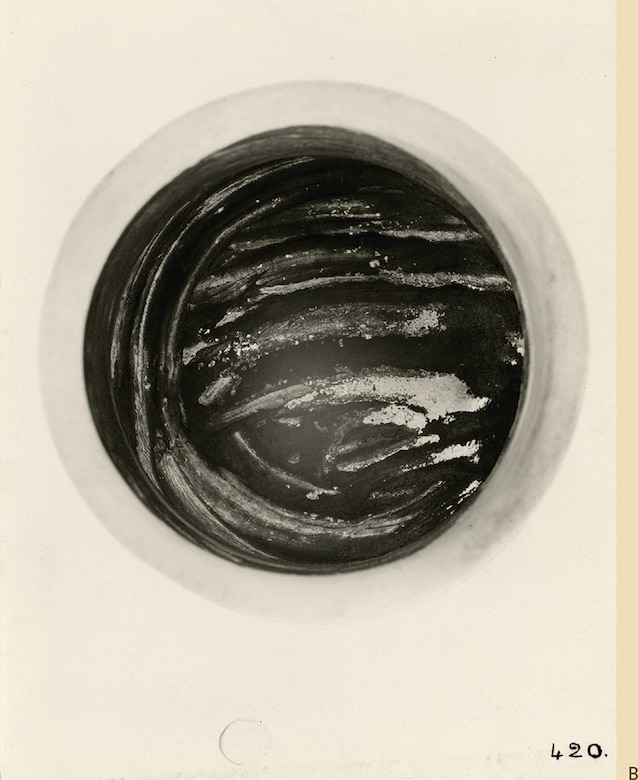
The YAPP research group suggests how the description made by Carter and his collaborators of these substances may coincide with that ofdried opium. Chemical analyzes such as those conducted at Yale University performed on a larger sample Of alabastron from the Egyptian era, they could therefore make us review our knowledge regarding the uses of substances of this kind in antiquity and discover that, most likely, the use of opiates in Ancient Egypt was much more widespread than previously thought, perhaps used as analgesics or for details rituals.
