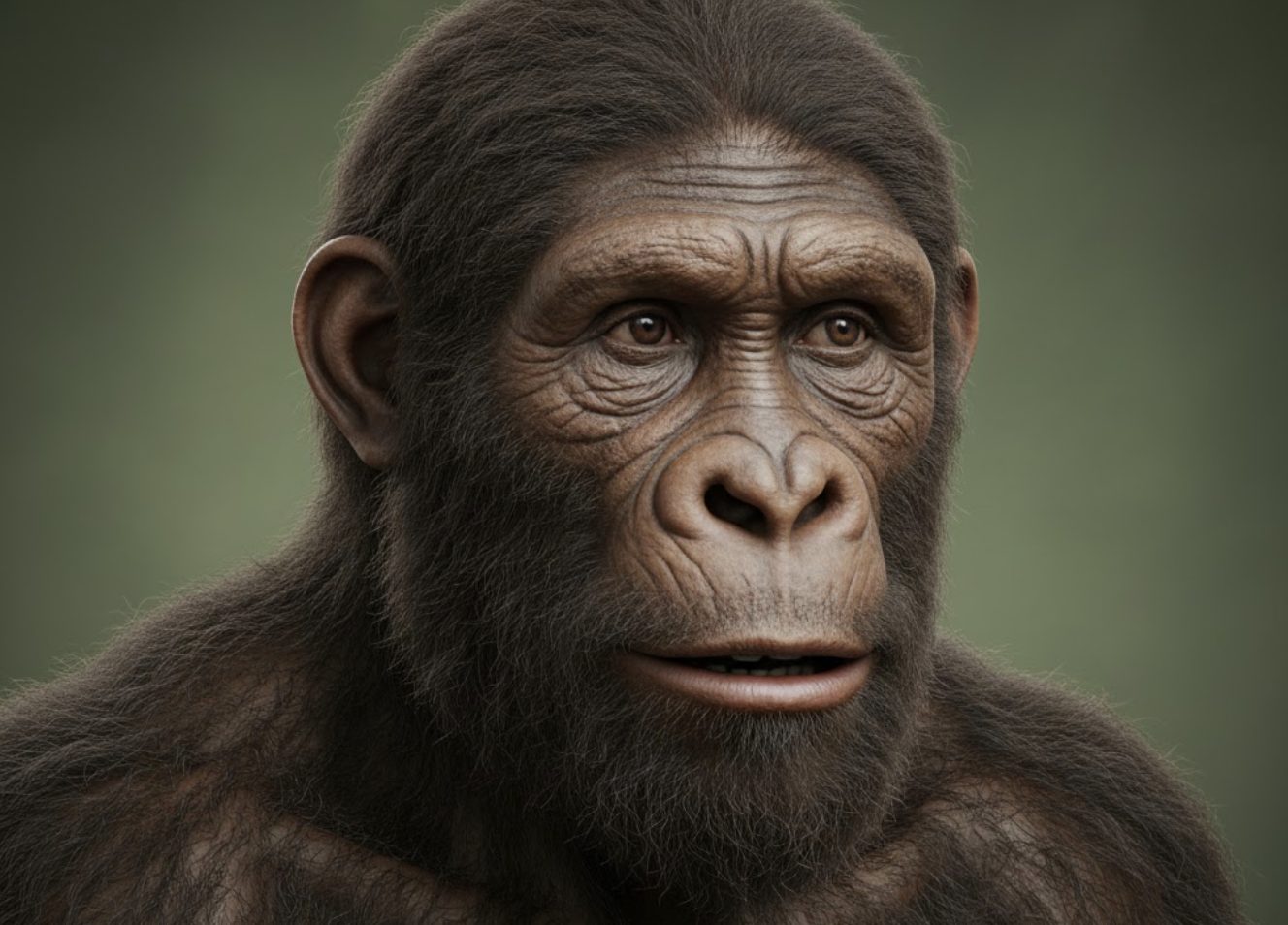
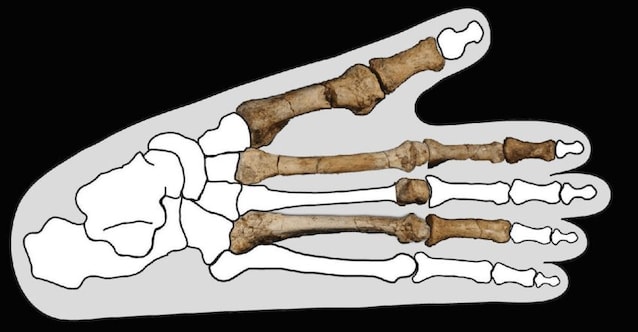
On the site of Woranso-Millein Ethiopiagods came to light fossil remains associated with some kind of Australopithecus. The Ethiopian researcher who studied them, the paleoanthropologist Yohannes Haile-Selassiehe immediately realized that these bones, or part of a foot (known as Burtele’s foot), some teethand one jaw infantile, presented characteristics different from those of Australopithecus afarensisthe species to which the famous one belonged Lucy.
A more in-depth analysis of these fossils found in 2015, conducted by Haile-Selassie himself, confirmed their belonging to a new species of Australopithecus that he lived with Australopithecus afarensis, Australopithecus deyiremeda.
The remains found at Woranso-Mille, dated between 3.6 and 3.3 million years ago, were believed to belong to an intraspecific variant of Australopithecus afarensisbut it has now emerged that it is a different species (Haile-Selassie believed this since its discovery), with characteristics radically differentmore archaic compared to those of other australopithecines. The researchers’ study focused precisely on these traits.
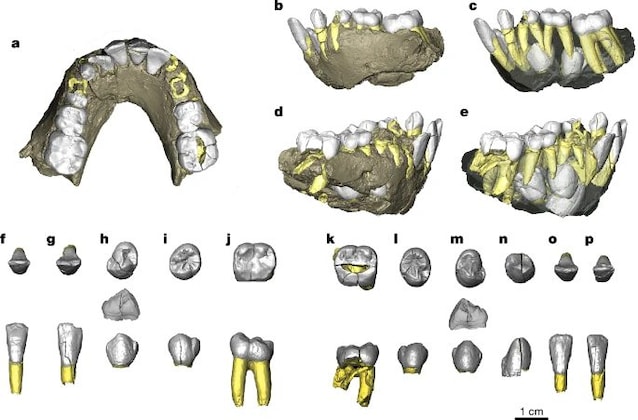
The first ones differences Between Australopithecus afarensis And Australopithecus deyiremeda emerged from the study of teething. The infantile mandible found in Woranso-Mille presents smaller teeth compared to those of Australopithecus afarensisand with more traits archaiceven in dental development, which make them more similar to those of species of Oldest Australopithecines and even of other great apes.
THE teeth found were then subjected to analysis isotopesable to tell us what thediet of the species in question. As for the Woranso-Mille fossils, the diet was exclusively vegetablebased on leaves and fruit, different from that more varied Of Australopithecus afarensis.
Another element of distinction between the remains of Woranso-Mille and Australopithecus afarensis concerns the conformation of the foot. The fingers of the Burtele foot have a conformation with more archaic features than those of the Lucy species. He was able to maintain a upright posturebut the big toe was divergentand the bones were curvesboth useful features for climb trees. Despite being therefore bipedhe was probably still well capable of leading one arboreal lifestylemore specialized than Australopithecus afarensis.
These lines of divergence seem to confirm that the remains found at Woranso-Mille do not belong to specimens of Australopithecus afarensisbut rather to one new speciesnamed as early as 2015 Australopithecus deyiremeda. This is a rather important discovery, because it shows us that between 4 and 3 million years ago several different species of Australopithecines coexisted in the same territoryoccupying though different ecological niches: if Australopithecus afarensis probably lived in an environment of savannah and he had one omnivorous diet, Australopithecus deyiremeda much more time passed on the treesand fed exclusively on plant species.
