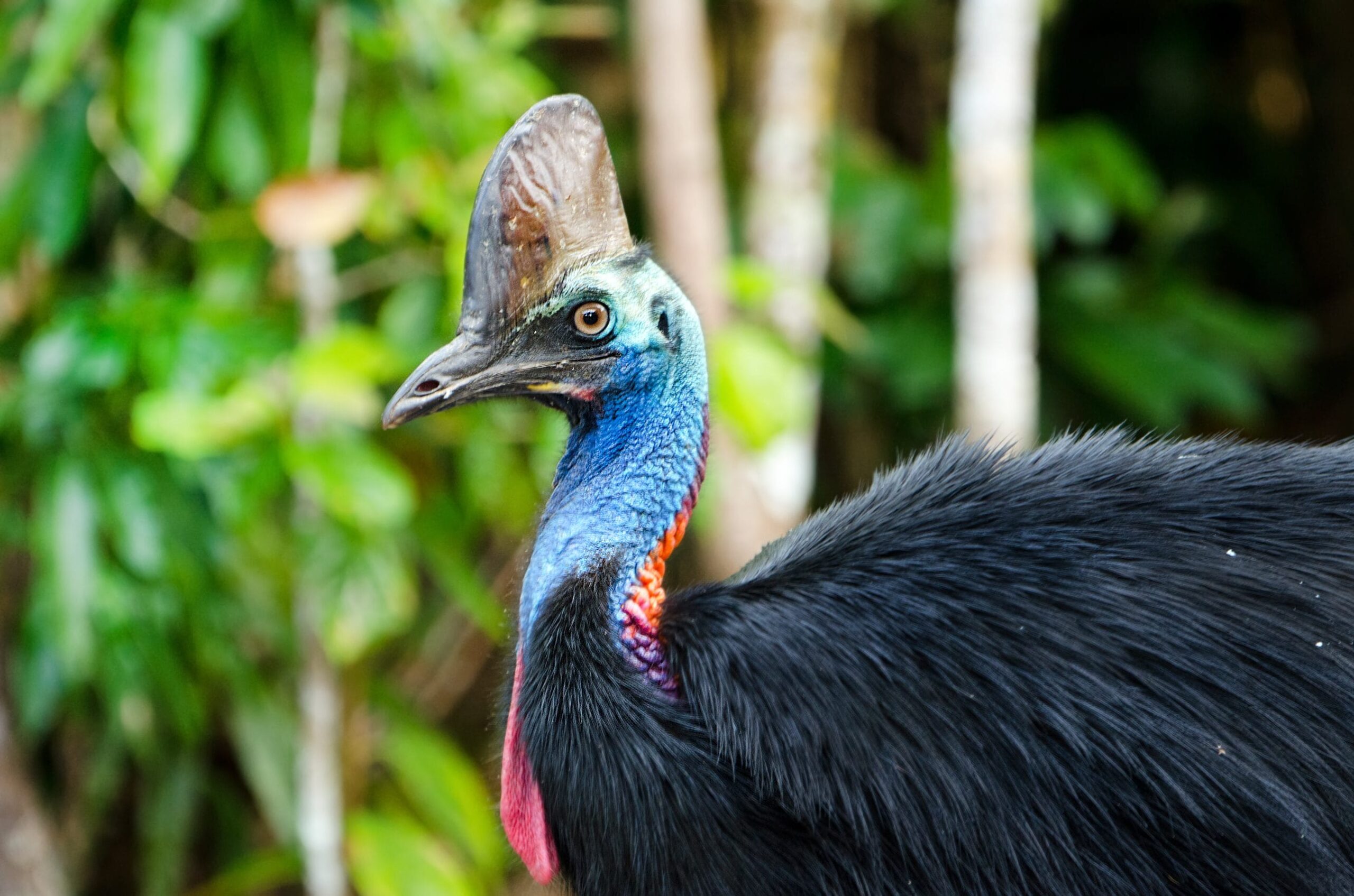
Almost two meters tall, up to 80 kg in weight, sharp claws and beak: the cassowary it is one of the most impressive birds in the world together with the ostrich. It is part of the ratite group, to which other large birds such as ostrich, moa and emu belong. Commonly the cassowary is also considered the more dangerous for us human beings. But this reputation seems to be more linked to his appearance than to the actual statistics: they are in fact present in the story only two confirmed deaths associated with the causes. The record of the most dangerous bird would instead go to the ostricheswhich unlike cassowaries are raised by humans for their eggs and meat. Although no updated statistics are available, in the 1970s it was estimated that in countries such as South Africa, ostriches were responsible for 2-3 deaths every year.
What are cassowaries and where do they live
There are three species of cassowary: the smallest Casuarius unappendiculatus And Casuarius bennettiwhich inhabit the dense forests of New Guinea, and the most massive Casuarius casuarius which is also found in some areas of Northern Australia. The latter is the species that interacts the most with humans and the one most associated, due to its size and aggressiveness, with a reputation for danger. They have a sharp beak and a pronounced crest made of keratin (the same material as a rhino’s horn, or our own fingernails), as well as two fleshy wattles on the neck. The females are larger and more enterprising than the smaller males, and it is they who choose and chase the chosen ones during the reproductive period. Some female cassowary are almost two meters tall and weigh 80 kg, considerable dimensions that prevent them from flying.
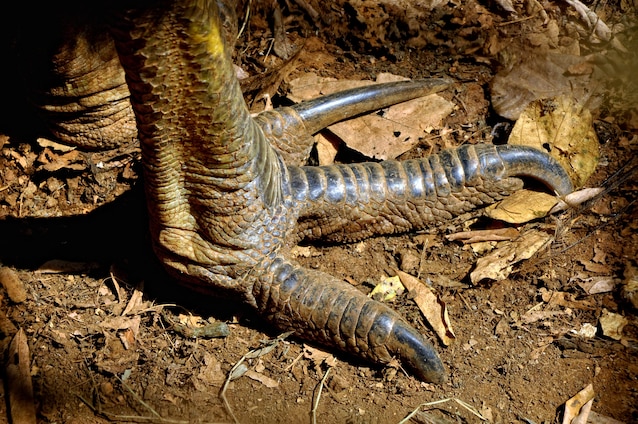
Like ostriches and emus, they are gods excellent runnersequipped with long and powerful legs equipped with claws that they use to defend themselves with powerful kicks and which can reach 12.5 cm in length. Despite their appearance they are not predators, they feed mainly on fruit and only occasionally of small vertebrates, mostly carcasses. Cassowaries have an important role in spreading fruit plants through the seeds that are dispersed through their excrement.
Attacks on humans by cassowaries
Particularly in Australia, “urbanized” cassowaries have made a habit of it to get closer to inhabited areas by humans and steal food from picnic areas, which increases the likelihood of an unpleasant encounter with these animals, especially if people approach them recklessly. A 2003 study analyzed over 221 attacks by cassowaries on humans (about 150) or domestic animals (particularly dogs) and revealed that the vast majority, 75%, occurred towards people who tried to feed him. In the remaining cases the cassowaries were defending their nest or their food resources.
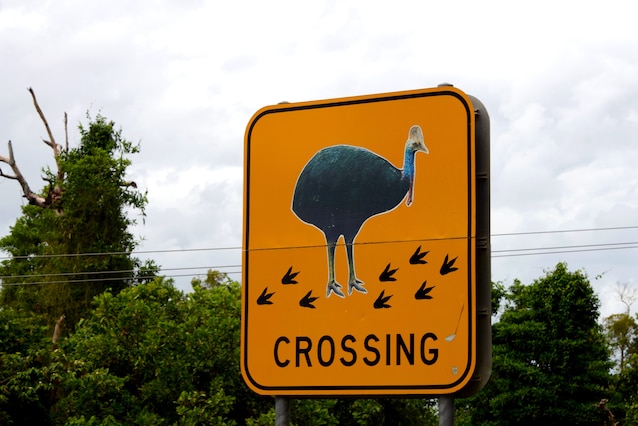
Despite this, there are only two confirmed cases of killing humans by cassowaries. The first occurred in 1926 when two brothers aged 16 and 13 encountered a cassowary on their family’s land in Queensland, Australia. The two wanted to kill it with clubs, but the animal reacted and chased them; the older brother tripped while escaping and the bird got fierce on him with his pawsopening a wound that rescuers did not heal in time. The second case occurred in Florida in 2019: the elderly owner of a farm where the latter raised cassowaries was killed after stumbling. So despite the reputation that precedes it, the Lethal encounters with cassowaries are very rare.
On a statistical level, in reality, it seems that ostriches be them more dangerous birds for us human beings. They are larger in size than cassowaries and, even if their appendages are less pointed and they have a less shy and aggressive character, they have a considerable strength and all the skills necessary to kill a human being. And above all, ostriches are bred, which greatly increases the probability of even lethal attacks, due to distractions, defenses of the territory or animals that rebel against their breeders. Few countries collect accurate data on ostrich attacks, but a 1969 source estimates that in places like South Africa, where ostrich breeding is widespread, approximately two to three killings occur per year.
