Tonight, Saturday 13 September, at the La Fenice Theater in Venice, the winner of the 63rd edition of the Campiello Prize, a prestigious literary recognition established and promoted by the industrialists of Veneto, will be decreed.
Giorgia Cardinaletti, Rai journalist and a well -known face of Tg1, alongside Luca Barbarossa, singer -songwriter and conductor, will conduct the final ceremony, who will intervene during the show with some musical contributions, accompanied by his social band. The evening will start at 20.30 and will be broadcast live on television on Rai 5 (channel 23) and streaming on Raiplay.
Campiello Prize, but the fiction no longer exists?
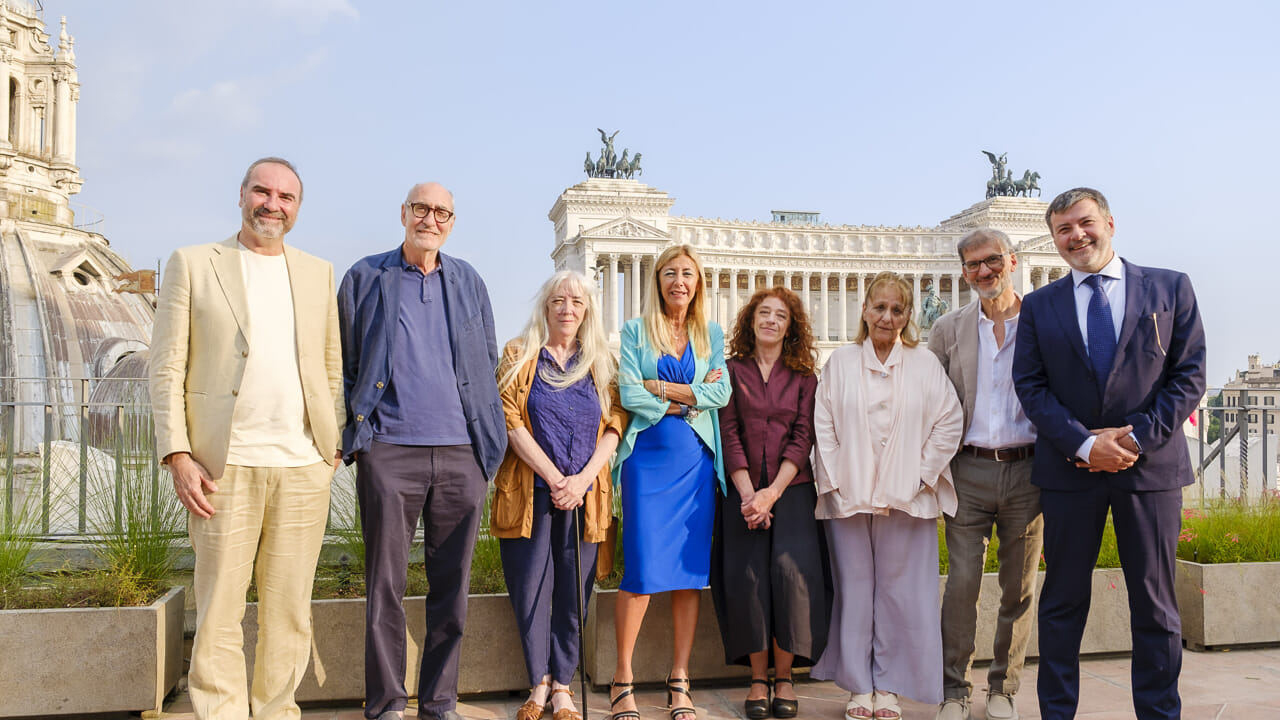
They compete for the ‘real pit “, a symbol of the city of Venice, will be From behind this world (Neri Pozza) by Wanda Marasco, Bebelplatz (Sellerio) by Fabio Stassi, Inverness (Polidoro) by Monica Pareschi, North north (Einaudi) by Marco Belpoliti e Troncamacchioni (Feltrinelli) by Alberto Prunetti.
TODAY.IT The final will follow with real -time update.
Who won the young man
In the meantime, last night, Giacomo Bonato, 17 years old from Arquà Petrarca (Padua), won the 30th of the Edition of Campiello Giovani – competition reserved for young people between 15 and 21 years of age – with the story “Verso”, chosen by the jury of the writers, chaired by Giorgio Zanchini, among the five stories that arrived in the final, because “reconstructs the merchant life of Venice with the rhythm and historical competence of the of Lepanto “.
The genre of the historical story, reads the motivation, “is dominated by the seventeen year old Bonato with great profession, and thin references to current issues (the establishment of the Ghetto of Venice, the freedom of worship for Christians at the Ottomans, the influence in money war policy – banks and loans). The ending opens to the theme of desire, always unrealized: the war, for which the merchant Zorzi has provided Serenissima of wood for the galleys, it allows him to combine, as he has always dreamed of, Constantinople – but not to see it; for Bonato the literary evidence is not on the side of dreams, but of the fruitful life of his merchants of Venice, and history “.
