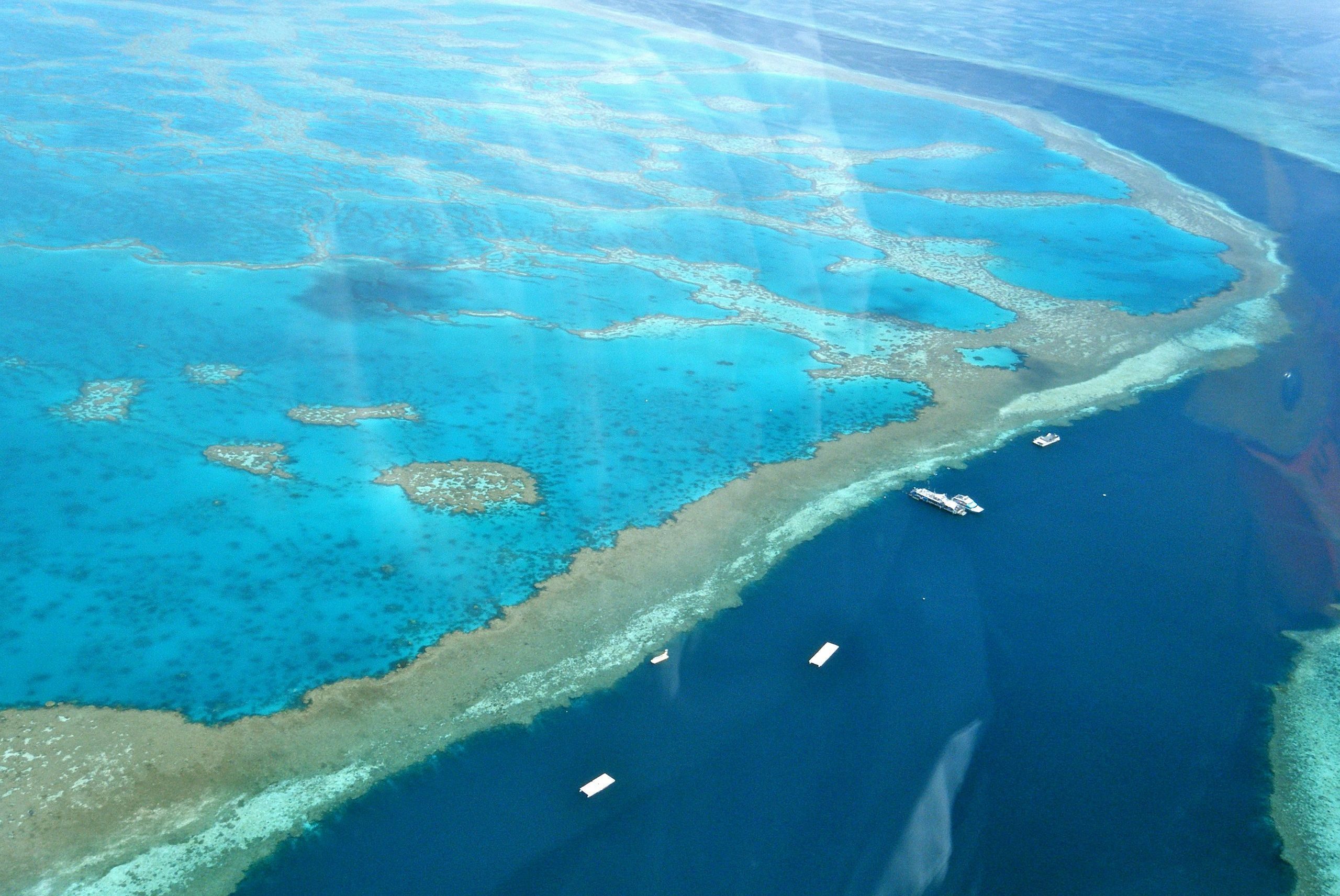
There Great coral reefthe largest extension of corals widespread between the north-east coast of Australia (Queensland) and the Papua New Guinea, heavily suffers from the effects of global warming. The most recent and extensive study in the world conducted by the Australian Institute of Marine Sciences has kept under observation the state of the corals in the seas of Queensland to monitor the Effects of heat waves and the real Coral recovery capacity in the following months. The greatest damage occurs above all following events of “Bleaching”, that is to the bleaching of the coral system due to the loss of algae, source of food for corals. These events have been able to frustrate the rapid growth recorded in recent yearsleading to relative decreases of the population of coral up to 30.6% between 2024 and 2025with consequences that are reflected on the entire ecosystem and on the local populations who live in fishing and tourism.
The heat waves are exterminating the large coral reef
A study by the Australian Institute of Marine Science (AIMS) measured the consequences of the heat wave which hit the north-western coasts of Queensland (Australia) in 2024, measuring the loss of colonies until 2025.
They were mapped well 124 colonies, affected by Fifth mass bleaching recorded since 2016. The Bleaching events of this dimension, once extremely rare, are more and more frequent: After a first massive event in 1998 and one subsequent in 2002, the 2016-2024 period saw a worrying sequence of “hot” years, which put a strain on the survival of the ecosystem.
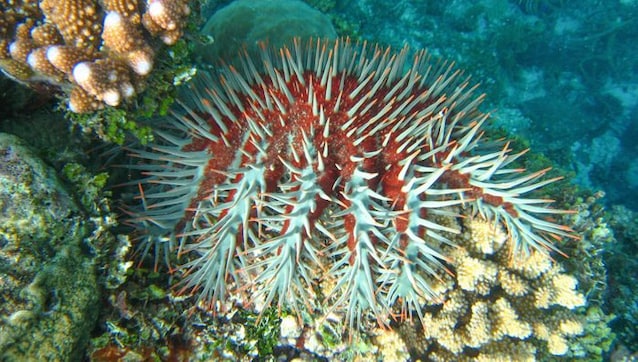
In some areas the devastating effect has been aggravated by the arrival of Star Sea “Crown of thorns” (Acanthaser Planci), Natural predators of the corals: the comparison with the colonies spared by the invasion of the starfish, however, highlights how this predator has a marginal effect compared to heat waves.
Compared to 2024, the decrease in coverage of coral colonies in the large coral reef oscillates between 13.9% of the central sector up to 30.6% of the south one, where greater star -marine activity was also recorded. The high mortality of the corals is also due to diffusion of faster growth species, who are supplanted the species affected by the previous heat waves but are in turn more susceptible to thermal stress.
There Loss of biodiversity In the coral reef is certainly worrying, but the consequences of these events are much wider: the risk is to get to collapse of the entire ecosystemon which it depends about half a million peoplefor food sources or economics. Aboriginal populations and citizens of the coastal areas live in fact fishing and of the tourismwhich already in the 90s had frost -fried the Australian economy A billion Australian dollars.
Corals more and more white
The large coral reef is a set of colonies of corals, extended for more than 2000 km between the Australian coasts and the Papua New Guinea e protected as World Heritage Area from the UN.
The colonies are limestone structures (caco3), a “skeleton” inhabited by coralsmall animals (1-3 mm) that live in small cavities, extending towards water Stricing tentacles to get food. The limestone, mineral of white color, takes on different shades thanks above all to the presence of monocete algae, able to establish a relationship of symbiosis with corals: thus a complex is formed over-organism which, over time, increases the limestone structures by building further layers on the “skeleton”.
The stress due to heat waves can Put the symbiosis between algae and corals in crisis: the loss of the alga door both to the discoloring of the structures, the so -called “Coral Bleaching”that a scarcity of nutrients for the corals themselves, which therefore risk dying en masse.
