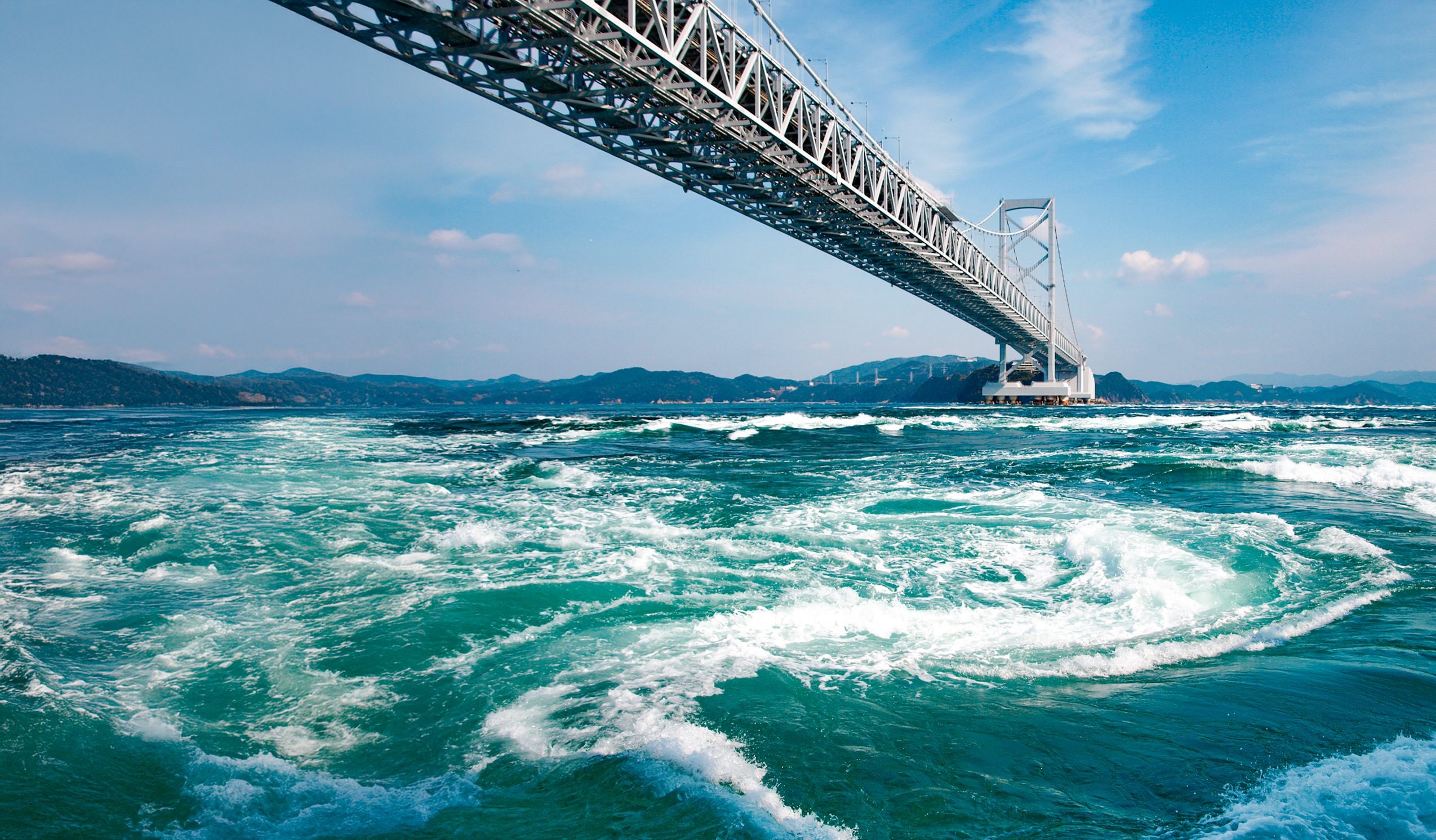
The Naruto’s tightin Japan, is famous for its marine vortices (Naruto-no-uzushio), natural phenomena capable of reaching dimensions greater than km in diameter and can also be photographed from space. Tidally tied, they spawn four times a day and individual vortices last just a few seconds or tens of seconds. But how exactly are they formed?
Formation and characteristics of Naruto vortices
The Naruto’s tight it is a natural channel approximately wide 1.3km between Seto Inland Sea and thePacific Oceanseparating the islands of Awaji and Shikoku. In this area the tide is semi-diurnal and the excursion can reach the 1.7 meters. But for what reason? The phenomenon can be linked to the particular seabed morphology and to difference in water level between the two basins. The narrow width of the strait gives rise to a “bottleneck” which affects the movement of the water masses: while the water level on the Pacific side rises, the Seto Inland Sea remains lower due to the time needed for the water to flow through the channels. This difference in height (up to 1.5 meters) generates very violent currents which, colliding with the underwater topography and with the slower masses of water, trigger the vortex motion.
These vortices form four times a day and the speed of the water can exceed 10 knots (about 2o km/h), placing Naruto among the fastest currents in the world. Each of these vortices usually has a diameter between 10 and 20 metersfor a depth of 1-2 meters. However, their nature is dynamic: in most cases, a single vortex it lasts only a few seconds or tens of seconds before dissipating.
As also reported by the Japanese space agency JAXAin particular spring tide conditions, multiple vortices can interact with each other, creating maxi-circular structures that reach i 1.2 – 1.5 km in diameter. These large circulatory systems are also visible from satellites and represent the residual energy of the currents that crossed the strait hours earlier.
Sea vortices in Japanese pop culture
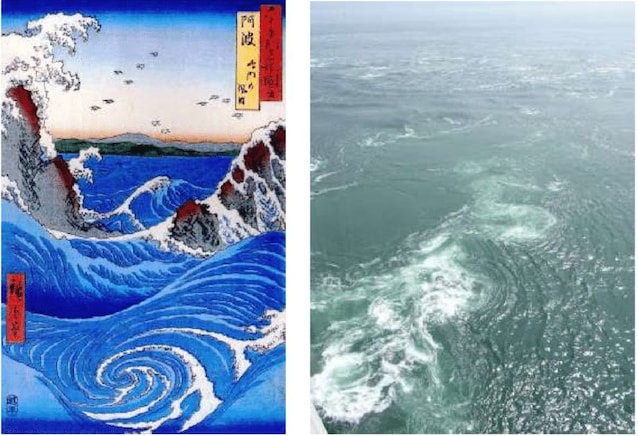
THE Naruto swirls they are such a particular phenomenon that they have also attracted the attention of people far from the scientific community. One above all the famous artist Hiroshigewho captured its visual power in the 19th century series of ukiyo-e prints “Views of famous places in over sixty provinces“.
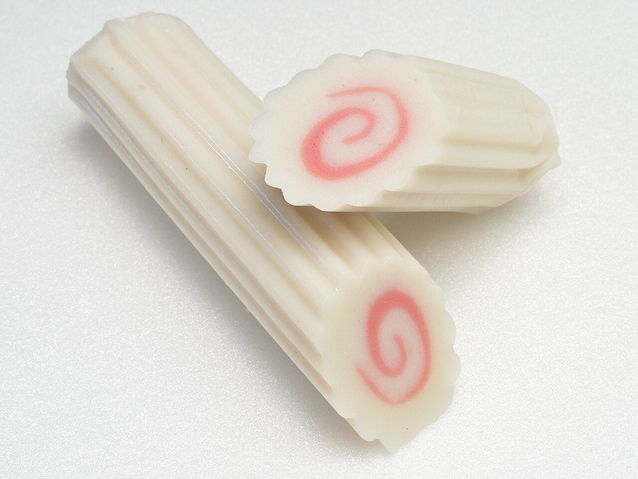
Staying on the subject of graphic arts, also the Naruto protagonist of the famous franchise of manga and anime takes its inspiration from these vortices. But it doesn’t end there: Naruto’s vortices also gave their name to narutomaki, a particular type of fish surimi often used in Japanese cuisine.