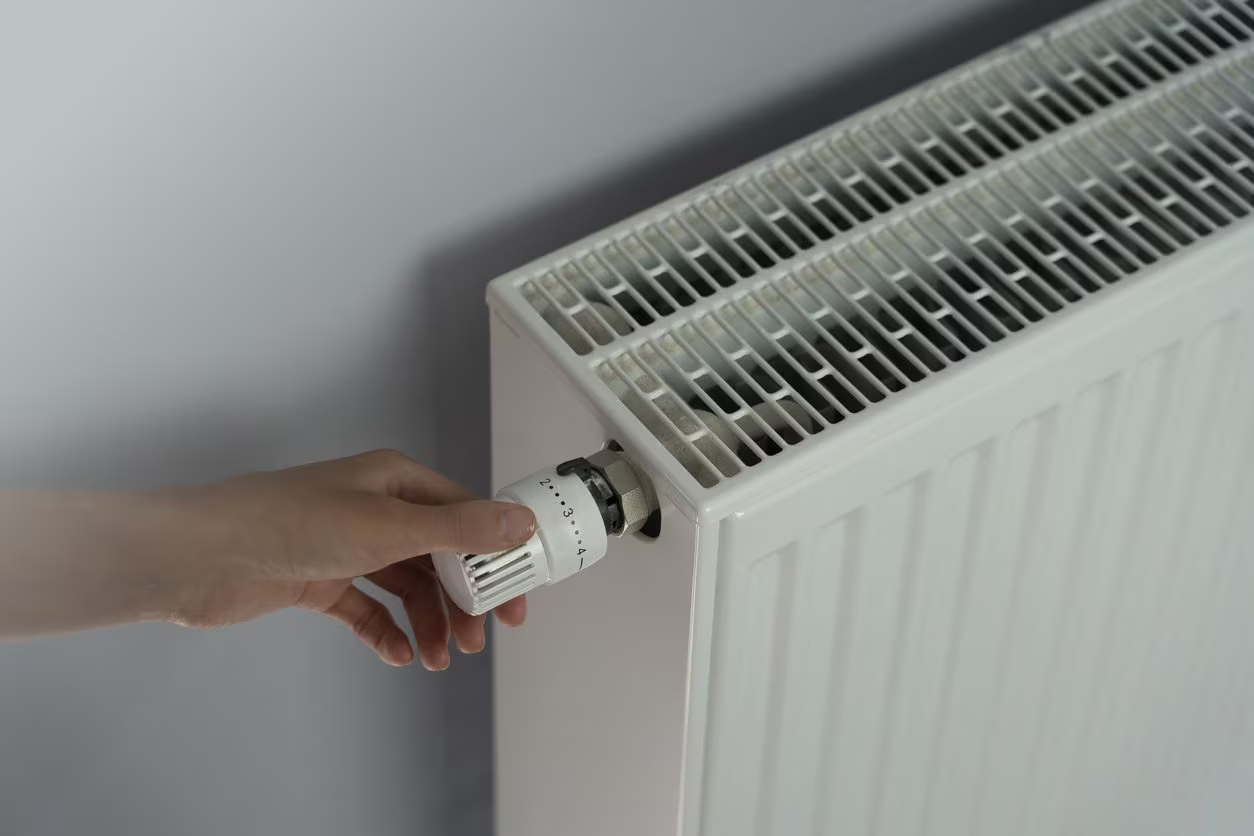
Second tranche of heating activation in Italy: on 1 November the systems will be started up in climate zone D, which includes most of the regions of Central Italy, including Tuscany, Abruzzo, Lazio and Umbria. An exception for Rome, where an ordinance from the Mayor postponed the lighting to November 15th.
He continues gradual ignition of the heating in Italy: after Milan, from tomorrow November 1, 2026 the systems can be lit in zone Dwhich includes most of the provinces of Central Italy. In fact, radiators are not activated uniformly throughout the country: the Peninsula is divided into different climate zones, calculated on the basis of average seasonal temperatures, as required by Presidential Decree no. 412 of 1993.
Last October 15th the heating began in zone E (the most populous, with around 4,000 municipalities), while now it is the turn of the climate zone D, which normally includes:
- Tuscany: Florence, Grosseto, Livorno, Lucca, Massa Carrara, Pisa, Pistoia, Prato, Siena;
- Marche: Ancona, Ascoli Piceno, Macerata, Pesaro;
- Abruzzo: Chieti, Pescara, Teramo;
- Liguria: Genoa, La Spezia, Savona;
- Lazio: Rome, Viterbo;
- Umbria: Terni;
- Emilia-Romagna: Forlì;
- Campania: Avellino;
- Puglia: Foggia;
- Molise: Isernia;
- Basilicata: Matera;
- Calabria: Vibo Valentia;
- Sicily: Caltanissetta;
- Sardinia: Nuoro.
Be careful, however exceptions: the Municipality of Rome postponed the ignition to November 15, 2026, also anticipating it shutdown from the 15th to April 8, 2027. In the Mayor’s Ordinance n.145 of 29 October 2026, the hours of daily use and the maximum temperature allowed are also reduced. In more detail it is expected:
- Maximum duration of activation of heating systems: 11 hours per day;
- Reduction of 1 °C in air temperature compared to what is required by national legislation: 17°C (+ 2 °C tolerance) for buildings used for activities industrialartisanal and similar e 19°C +2 °C tolerance for all other buildings.
In climate zone D, in fact, the use of radiators is generally permitted up to a maximum of 12 hours per daymaintaining a temperature maximum inside buildings 20°C (with +2 °C tolerance), but Municipalities can still establish more restrictive criteria. Below is an example table:
| Climate zone | Ignition period | Operating hours | Maximum permitted temperature |
|---|---|---|---|
| Zone A (Municipalities with the warmest climate) | From December 1st to March 15th | Max 6 hours per day | 20°C (+ 2°C tolerance) |
| Zone B (most of Sicily) | From December 1st to March 31st | Max 8 hours per day | 20°C (+ 2°C tolerance) |
| Zone C (which includes for example Naples and Bari) | From November 15th to March 31st | Max 10 hours per day | 20°C (+ 2°C tolerance) |
| Zone D (most municipalities in Central Italy) | From November 1st to April 15th. Exception Rome, from November 15th | Max 12 hours per day (11 in Rome) | 20°C (+ 2°C Of tolerance) Exception: 19 °C (+ 2°C tolerance) |
| Zone E (Northern Italy) | From October 15th to April 15th. | Max 14 hours per day | 20°C (+ 2°C tolerance). Lombardy exception: 19 °C (+ 2°C tolerance) |
| Zone F (Municipalities with the coldest climate) | all year round | no limitations | 20°C (+ 2°C tolerance) |
By the way, tomorrow November 1st the plants can also be started up Bolognain the areas of plain of Emilia-Romagna and in public buildings and commercial activities Venice: in these three cases, the ignition initially scheduled for October 15th had been postponed to reduce consumption and emissions.
