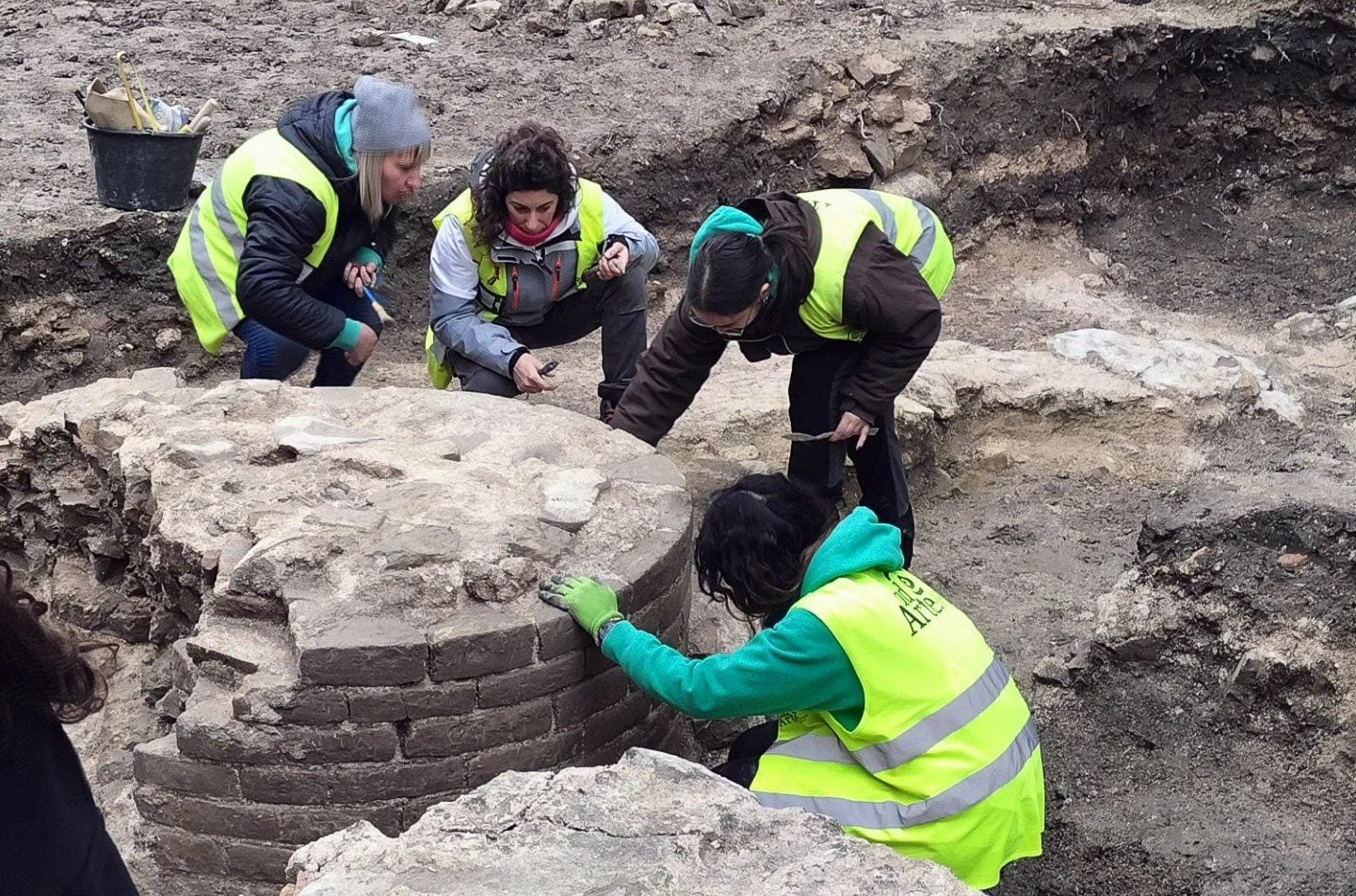
“We have been waiting for this discovery for over 2000 years: we found the Basilica of Vitruvius“: thus the mayor of Fano (Pesaro Urbino) Luca Serfilippi announced the long-awaited discovery of the building, designed in the 1st century AD by the great Roman architect Marcus Vitruvius Pollioborn in ancient Fano (at the time Fanum Fortunae).
The discovery in the city of the province of Pesaro and Urbino of the remains of the Basilica of Vitruvius, once intended for the administration of justice and business, “represents something exceptional in the history of archaeology, architecture and morphology of the city of Fano”, said the Minister of Culture Alessandro Giuli, making a comparison with the discovery of Tutankhamun’s tomb and of Lapis Niger in Rome, the most important monument of the Roman forum.
But what is it and why is it so important? The Basilica of Vitruvius is the only building whose construction the “father of architecture” claims to have personally supervised. He himself says it in his treatise De Architecture (literally “On architecture”), a compendium of ten books on the topic dedicated to Augustus. In turn this treatise, written in conjunction with a general renewal of Roman public buildings, is thethe only text on architecture that has come down to us intact from antiquityas well as the theoretical foundation of Western architecture from the Renaissance onwards.
In the Renaissance it inspired the famous “Vitruvian Man” by Leonardo da Vinci (which in reality would be more inspired by the texts of Leon Battista Alberti and the thought of Euclid). A text of essential importance, the De Architecture it also represents a primary source for knowledge of construction methods of the ancient Romansmethods of designing structures and types of tools used.
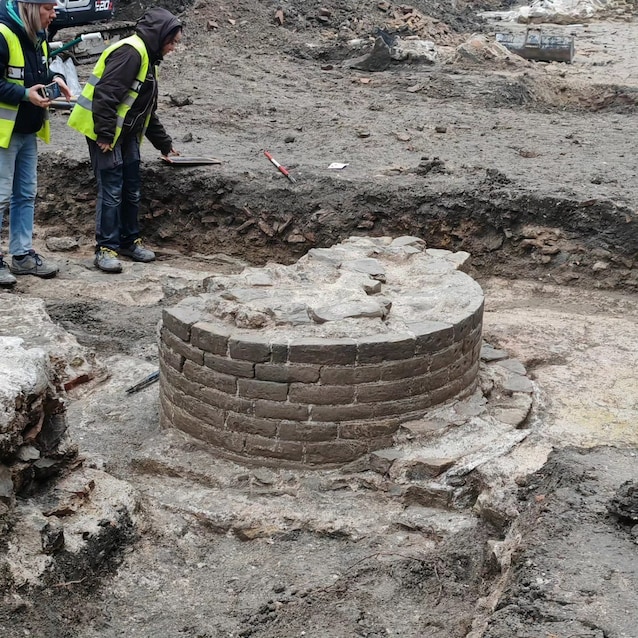
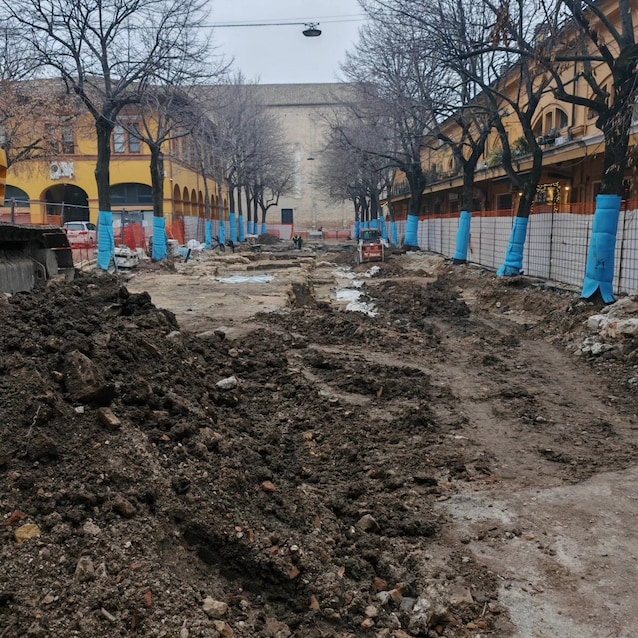
For centuries scholars and archaeologists have looked for traces of this building, hypothesizing its position in different places in the city. Now the research is being interrupted by excavations Costa Squarewhich brought to light traces defined as “unequivocal” of the Basilica: they have been found large columnscorresponding to the descriptions of the public building made by the famous Roman architect.
What specifically was found? The Superintendent of the Marche Andrea Pessina declared:
Of the Basilica, 8 columns emerged on the long side (parallel to the current via Arco d’Augusto) and 4 on the short side of the building, which correspond perfectly to the description of the building what Vitruvius does in De Architectura. One of the columns was identified, via GPS, in Piazza Avveduti, with a simple archaeological survey.
The temple of Jupiter under Sant’Arcangelo, the slaughterhouse and the presence of a spa building.
