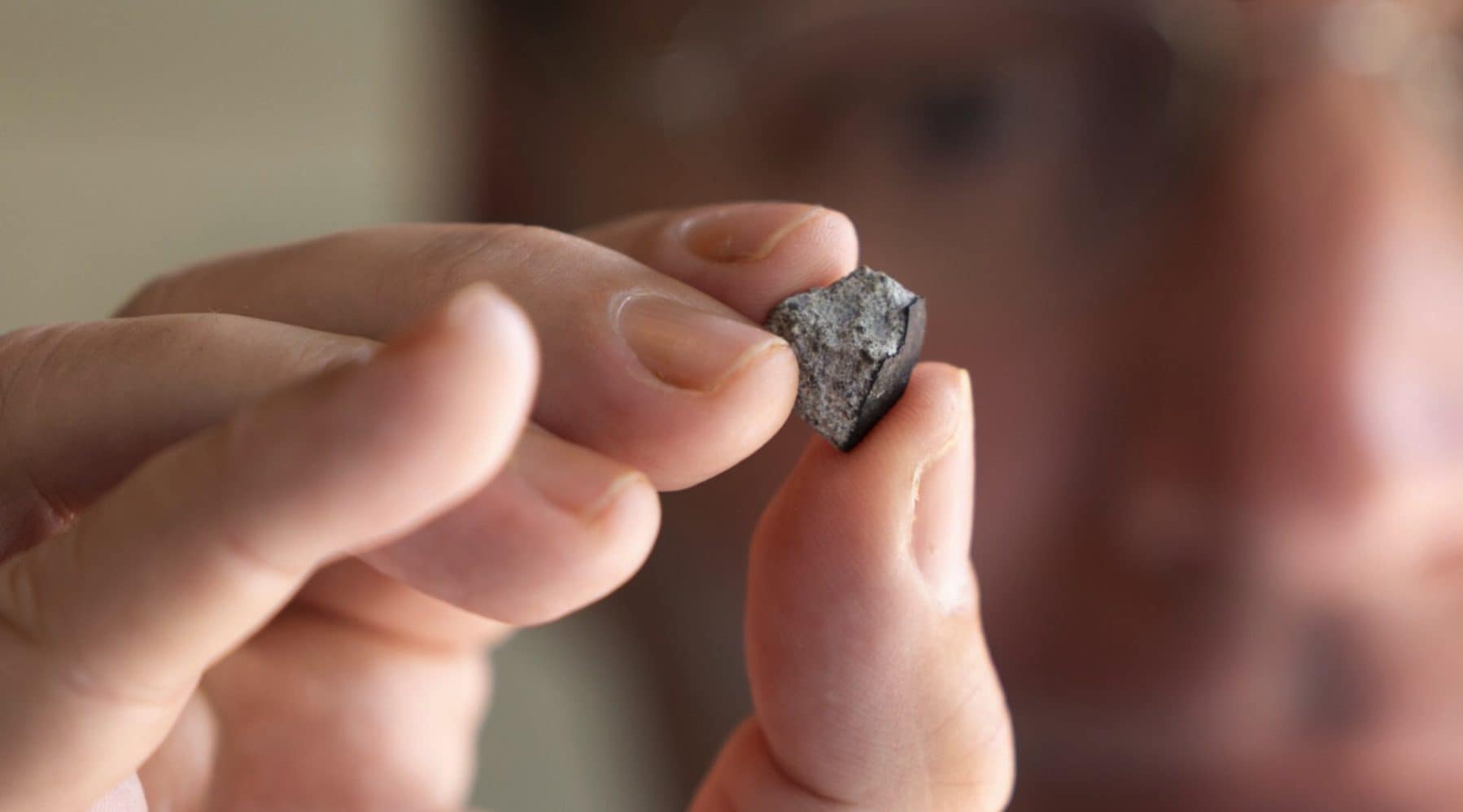
A small meteorite of 50 grams crashed on a house in Georgia, in the United States, on July 26, breaking through its roof and impacting the floor, fortunately without consequences for the inhabitants. The debrite was analyzed by scientists from the University of Georgia, who discovered something unexpected: the meteorite – renamed Mconareough from the place where it was found – it could even be older than the land itself. To be precise, the “spatial pebble” would have been formed 4.56 billion years agoabout 20 million years before the formation of the Earth (which has 4.54 billion years).
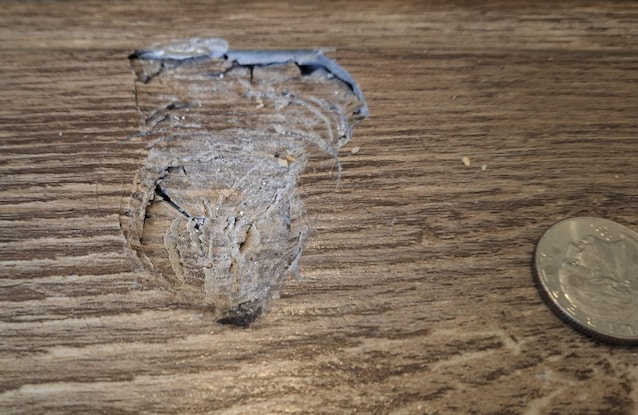
The analyzes, conducted with optical and electronic microscopes, also revealed the composition and origin of the meteorite. You think comes from the asteroid rangefrom which he moved away millions of years ago, probably as a fragment of a collision between larger objects. Meteorite is entered the Earth’s atmosphere on the skies of the south-east of the United States to speed of 48,000 km/h. The atmospheric friction has set fire to the meteorite, producing a bolide (a particularly brilliant meteor) so bright that it is visible during the day And from the space from the Satellite of Earth observation Goes-19 of the Noaa, designed to identify flash of light in the atmosphere associated with lightning. In the video below you can see the fireball produced during the fall of the meteorite.
After the impact they were recovered 23 grams of the 50 total, then sent to the University of Georgia to be analyzed by planetary geologists. The preliminary results, not yet published in scientific journals, are based on one Optical and electronic microscope analysis of the fragments of the McDonough meteorite. Planetologists of the University of Georgia believe that meteorite is one ordinary condrite with low metal content formed in the presence of oxygen, One of the oldest forms of rocks known in the sun system. If confirmed, this would date the meteorite a 4.56 billion years agoolder than our own planet.

This type of chondrites is typical of asteroids in the main band between Mars and Jupiter. Consequently, it is assumed that the fragment that entered the atmosphere on July 26, which was originally much larger than the 50 grams on the ground, would have been formed following the disintegration – probably for impact – of a larger asteroid in the main band. The disruption event would then have directed the meteorite on an orbit that millions of years later would cross that of the earth, ending up on a town in Georgia. After the scientific analyzes, the fragments of the meteorite will be exhibited at the Tellus Science Museum in Cartersville, in Georgia.
