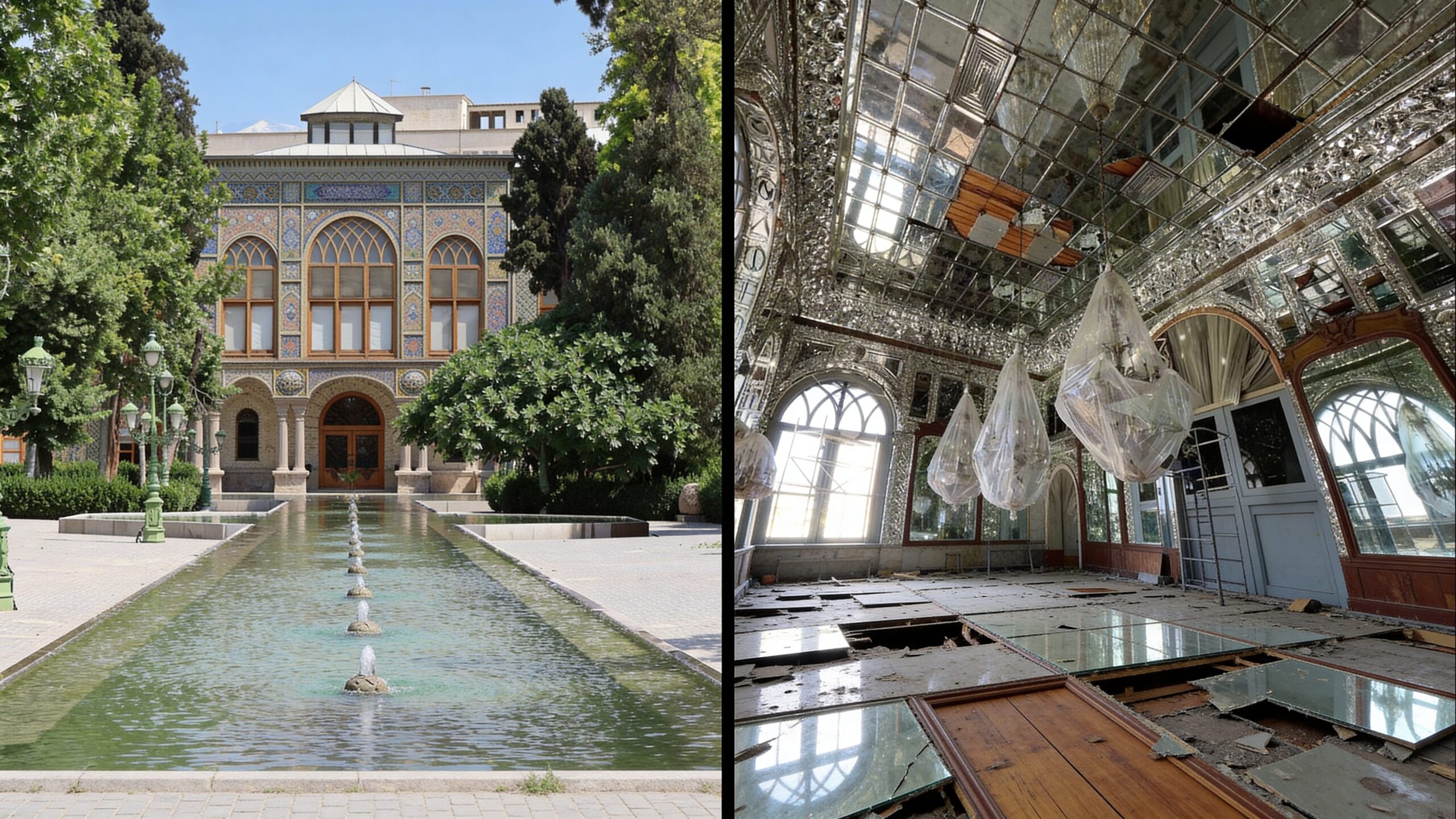
The Golestan Palace of Tehran, one of the 29 Iranian sites recognized as a World Heritage Site, was severely damaged following a joint US-Israeli airstrike on the capital. Confirmation of the severity of the damage came directly from UNESCO, the United Nations organization dedicated to the protection and international cooperation in the fields of education, science and culture.
The history of Golestan Palace in Tehran
The Golestan Palace it was built as a fortress for theSafavid empire in the 16th century. The Safavids were a mystical dynasty originating from Persian Azerbaijan that ruled Persia (which is roughly modern-day Iran) between 1501 and 1736, and are remembered as one of the largest and longest-lived empires after the Muslim conquest in the 7th century. Later, the Palace served as the seat of the government of the dynasty Qajar (which lasted until 1925, when the last shah was deposed by Reza Khan, who inaugurated the Pahlavi dynasty). In the 19th century it was renovated by the architect Haji Abol-hasan Mimar Navai. In 2013 the palace was included in the UNESCO World Heritage list and today it is a museum.
The Palace complex, which includes eight richly decorated main structures built around a tree-lined garden, combines traditional Persian design with European influences.
The Golestan Palace before and after the bombings during the war in Iran.
Of this incredible building, UNESCO said:
The sumptuous Golestan Palace is a masterpiece of the Qajar era, embodying the successful integration of Persian craftsmanship and architecture with Western influences.
As a UNESCO World Heritage Site, Golestan Palace is protected by international law, and specifically from Hague Convention of 1954 for the protection of cultural property in the event of armed conflict and the 1972 Convention for the Protection of the World Cultural and Natural Heritage. According to the International Criminal Court, Intentionally damaging UNESCO World Heritage sites constitutes a war crime.
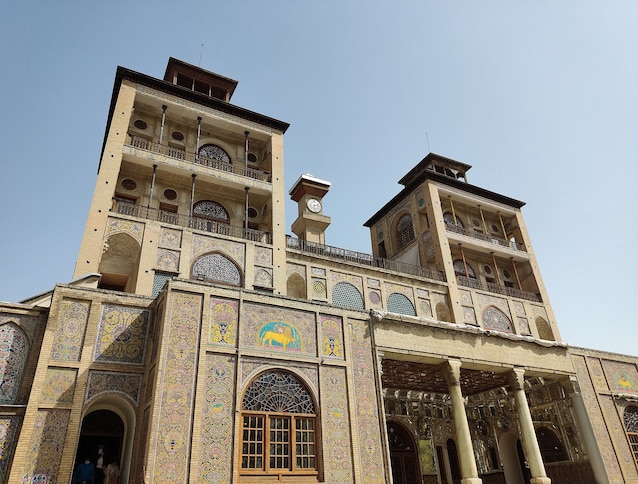
The damage during the attacks in Iran
On March 2, the Palace was partially destroyed by debris and shock waves from an air attack on Arag Square, Tehran: although no structural damage to the palace has been reported (for now), windows, doors and decorative glass panels were severely damaged by vibrations from the explosion. The ancient artefacts stored inside the palace have been transferred to a safe place.
The Iranian Ministry of Cultural Heritage presented a complaint to UNESCO, asking it to send representatives to document the damage and contribute to reconstruction. Meanwhile, UNESCO will continue to carefully monitor the situation of cultural heritage in the country and across the region, in order to ensure its protection.
