
You are at the sea and walk in the water on a low sandy backdrop, when suddenly feel a pain in the foot, which in a short time becomes excruciating … you have just had an unfortunate encounter with one poundor spider fish, a small fish equipped with poisonous bitterness on the backwhich uses for purposes defensive. Even if the pain is very strong and the puncture can also cause nausea and fainting, the poison of the pit is not particularly dangerous for man, and its effects (from strong pinch to nausea and vomiting) they disappear over a day taking due measures. As indicated by the Istituto Superiore di Sanità (ISS) it is good to disinfect the wound e apply heat on the interested party. If the symptoms are particularly serious or the bittero is still stuck in the skin, it is recommended to contact the Emergency room or to your doctor.
What are the pitchers and where they are in Italy
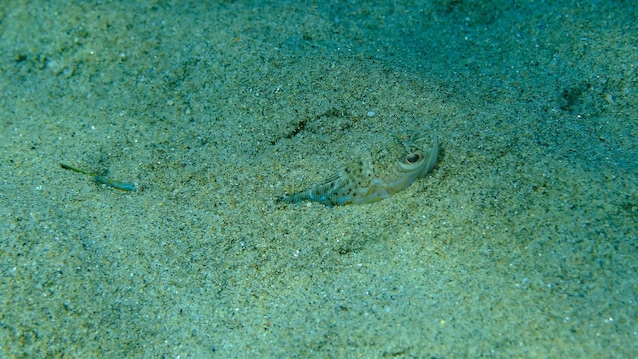
Spider fish belong to the Trachinidae family, made up of 9 species, many of which are present in all the Mediterranean. It is a fish with an elongated shape ranging from 15 to 50 cm in the case of Trachinus Draco, very common in Italian waters up to 30 meters deep. Tracines have a large mouth that they use to predict small fish and crustaceans, hiding in the soft sandy bottom And tending a ambush as soon as they approach. They leave only their large eyes projected upwards and the dorsal fin, equipped with poisonous aculei in the front. They are seabed fish without a natatorial bladder, They are not good swimmers And they tend to hide if you do.
It is for this ability to mimicry And their tendency to remain immobile which is very difficult to identify them in the water, and it can therefore happen to crush them by chance. The tap of the pitcine has purposes purely defensive and is not used for hunting, but only for discourage predators who try to eat them. As soon as he feels threatened, for example from our presence nearby, the pound It stiffens and lifts its spotscables inside, which inject poison like a needle.
The stings are more frequent during the low tideon sunny days and in calm and not very crowded waters, conditions in which swimmers tend to spend more time walking in the water. It is more likely to meet them also following stormspushed towards the shore from the wave motion. Fishermen are also points, which find them in their networks, and clams hunters and other seabed bivalves.
What does the sting of a tacina do: the poison is not lethal
Despite their diffusion and their food use (these are edible fish), the evolution of the velenifere of the pitchers is not yet well known. Not being made to kill, but only to discourage, the pitcine poison is very painful, but it does not present serious risks for our health. The initial effect is mild pinchwhich however increases in intensity until the entire limb is concerned. Swelling and redness come, with a pain that is described as very strong. This feeling, which disappears alone, lasts on average up to a whole day from the puncture.
Other effects of puncture, especially in individuals susceptible to pain, include Nausea and vomiting, fainting, fever and panic attacks. Despite the strong pain, The puncture is not lethal: there is only a documented case of death due to the puncture of a pound, which took place in England in 1927 when a fisherman was point several times after having missed one.
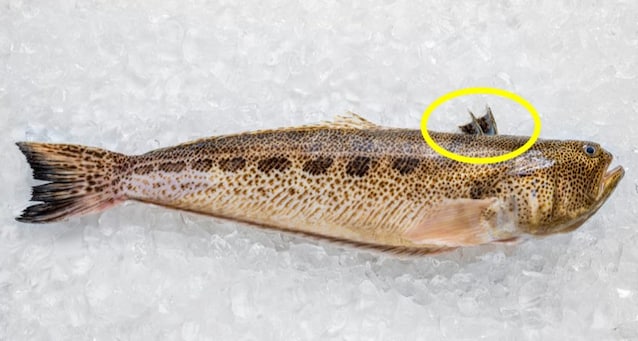
The vele of the pitcine is still little studied but among the main components there is the dracotoxinan hemolytic protein (i.e. that destroys blood cells) unstable, very sensitive to temperature. Curiously, recent studies have shown that the venom of the pound Echiichthys Vipera it is able to induce cell death in the cells of colon carcinoma, By hypothesizing its possible therapeutic application.
What to do and what to avoid if you are points from a pitcine
Since protein toxin is very sensitive to temperatures, in case of puncture it is appropriate apply heat to the interested party immediatelywith hot water (max 45 °) or putting the foot in the boiling sand. In fact, the heat breaks down the protein structure of the toxin, thus reducing the intensity and duration of pain. Sliding the poison out of the wound (obviously avoiding losing too much blood) helps to reduce the amount of toxin that can enter the circle. If a Aculeo was stuck in the wound, this must be removed, preferably with the help of Prionto rescueand the wound disinfected.
Apply ice, as well as analgesics or other remedies such as vinegar or urine on the wound they do not bring any positive effect And they risk worsening pain. In the case of symptoms such as fainting or panic attacks, it is appropriate contact the emergency room. The best strategy is in any case prevention: if we suspect the presence of pitcine, it is better Avoid going to the wateror wear rigid plastic sea footwear, which offer protection against their spines.
