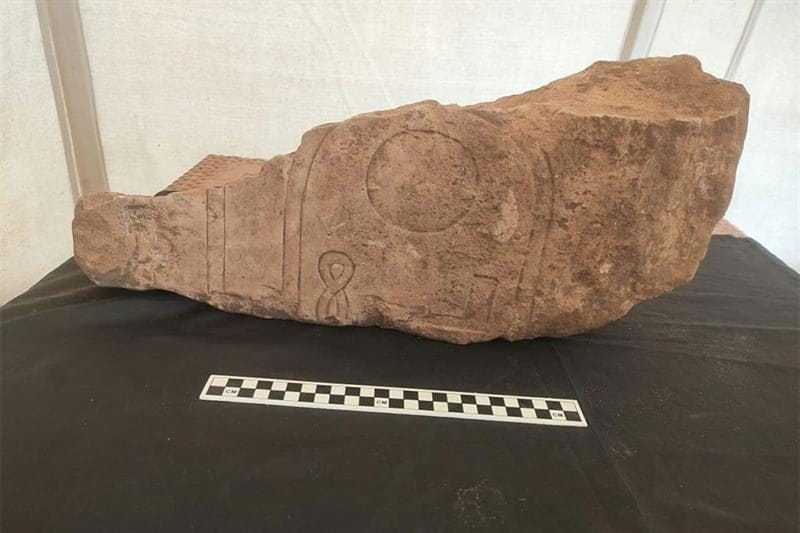
A archaeological mission joint Egyptian-Chinese Egyptian Supreme Council of Antiquitiesof thePeking University and of theShandong Institute of Archaeology led to a new archaeological discovery a Tel Aziznear Mit Rahina, in the area of Gizain Egypt. Scholars have brought to light one limestone structure which would have been part of the Temple of Pharaoh Apries (598-570 BC), ruler of XXVI dynasty (6th century BC), reigning in the period of Egyptian history known as Late Periodduring which the country was under Greek and Persian influence.
The site is located in the ancient area Memphisone of the most important cities in Egyptian history. According to archaeologists, the southern area of Tel Aziz was part of the urban heart of the city. The temple would not only be used in Apries’ time, but would continue to be frequented for centuriesuntil the Greco-Roman period: a sign of the long religious continuity of the place, as happened in numerous other sites in Egypt.
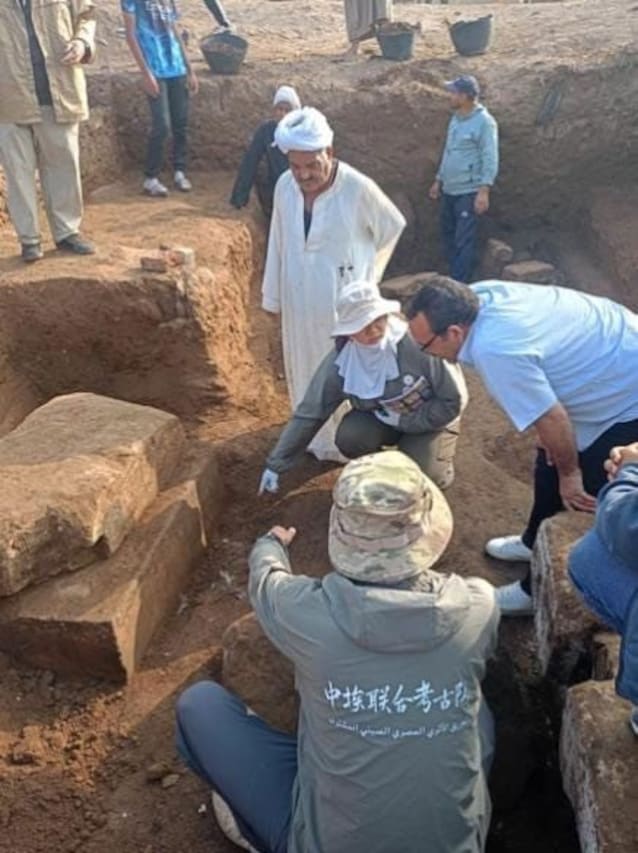
Among the most relevant findings are five headless sphinxes and several stone blocks with hieroglyphic inscriptions dedicated to the god Ptahmain deity of Memphis, protector of architects and craftsmen. They also emerged cartouches (inscriptions with the name of the ruler) with the name of Apries, as well as everyday objects such as ceramics, glass and copper coins. The discovery helps to reconstruct the plan of the city and to better understand the religious and urban life of Memphis between the Late Period and the Roman era. Excavations will resume in April, with the aim of bringing new structures to light and further clarifying the history of this ancient centre.
Sources
Press release from the Egyptian Ministry of Tourism and Antiquities
