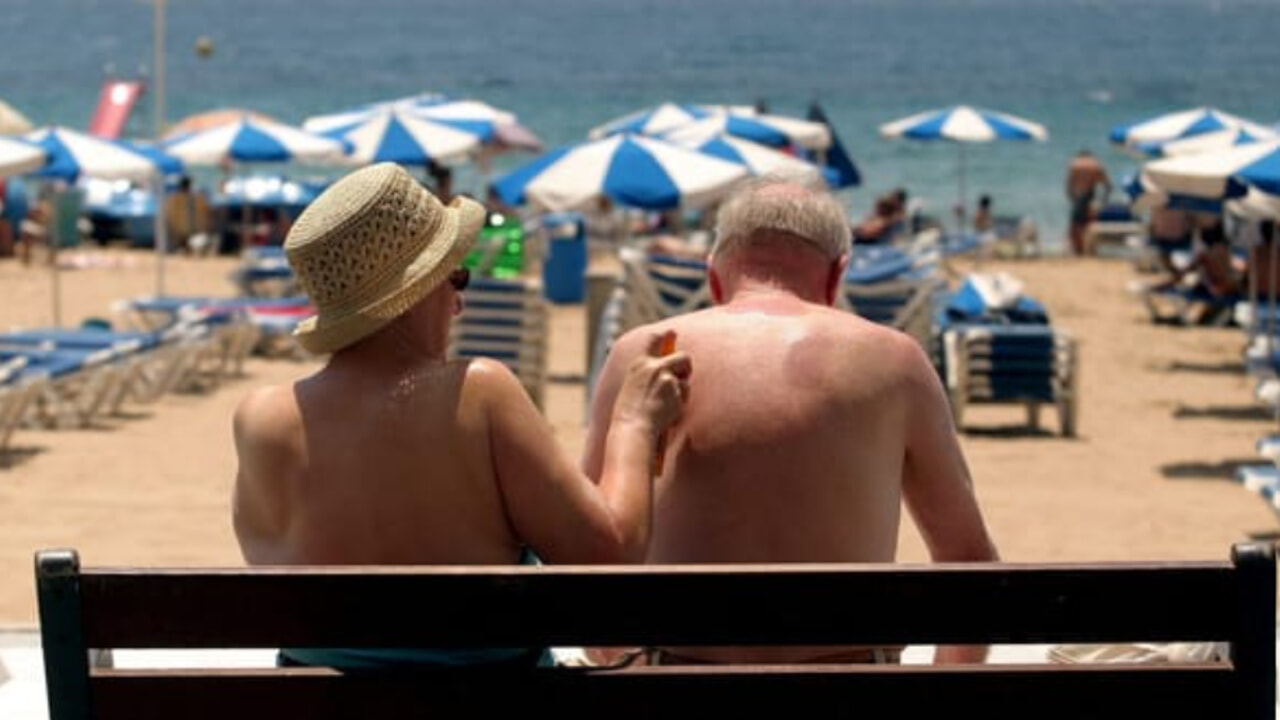
There is not only retirement: life in health has reduced to 59 years (56 for women)
In 2027 the retirement age in Italy could rise to 67 years and 3 months. It is an automatic adjustment linked to the increase in life expectancy, which the government is evaluating whether to block. But is there a question that continues to stay out of every calculation: are those more years really lived them in health?
According to the latest Istat report, in 2024, Italy is one of the countries where the life expectancy It is higher: we arrive on average, until 83.4 years but this is only half of the story.
More years but a lot of health less
The health of life in good health, the one that should be interested in the most, represents a crucial indicator to understand the challenges related to the aging of the population. It is not enough to live longer, but it is essential that the additional years have lived in conditions of autonomy and well -being with a better quality of life and the possibility of actively participating in society.
The indicator that estimates the expected years of life in good health, unlike the duration of life, continues to reduce itself. Men can expect 59.8 years of health life, women just 56.6: a historical minimum for them. A gender gap that today reaches 3.2 years. Basically: we live more, but worse. And above all women, the women, the residents of the South and those who cannot afford the luxury of private health. These are Istat data from the annual report 2025 “The situation of the country”, presented last May. So the question is proposed again with even more urgency: how can we continue to reason as if the human body had signed a contract with INPS to remain efficient up to 67 years?
The real knot: the quality of existence
Italy ages. Today over 80s exceed children under 10 years. A dynamic that weighs on health, social security and labor market. It is precisely this photograph that pushes the Parliamentary Budget Office (UOB) that supports automatic increases in the retirement age. According to the president of the UPB, Lilia Cavallari: “the presence of automatic adjustment mechanisms capable of defining ex ante and transparently the distribution of demographic and economic risks between active and retired generations appears preferable to ex post and discretionary interventions”.
The data that demonstrate the real health emergency – by Martina Benedetti
But remains an open question: are these automatisms really equip, if they ignore the real health of people? The worst health conditions of the over 65 population determine a growing healthcare and an application for assistance in continuous expansion. It is as if the state would take it for granted that the citizen can remain productive until late age, only to accept that the last few years passes them still, sick, to heal. With a paradox: the more the time is lengthened in bad health, the more the costs for the health system itself increases.
Another crucial aspect concerns the need to predict reductions in the retirement age for those who carry out so faring or heavy works, often defined with different terminologies but attributable to the same reality: work exists that drag the body well before 67 years. Yet, the official list of usaraating works – defined by law decree 67/2011 and updated in the various implementing decrees – excludes professions such as that of the nurse, despite night shifts, loads of physical and emotional work, constant biological risk and a high rate of accidents and burnout.
Because prevention is not a luxury
The World Health Organization has been saying it for some time: Healthy Ageing, getting old in health, is the real challenge. So why does Italy continue to consider only the registry age and not the functional one? Until we change perspective – passing from “how much you live” to “how you live” – we will continue to produce social injustices disguised as economic rationality.
If we really want to lengthen life (also working) a strategy is needed that puts prevention at the center. The Eurostat data indicate that the European Union in 2021/22 intended on average 0.65% of GDP to prevention, with countries such as Austria, the Netherlands and Denmark that exceed 1% of GDP. Italy, in comparison, stands at a lower percentage of the average, with about 0.4% of the GDP invested in prevention.
Because dying with dignity becomes a paid right – by Martina Benedetti
We can no longer afford a system that spends billions to treat diseases that can be avoided. Prevention means investing in territorial medicine, early diagnosis, health education, work safety, correct lifestyles. It means giving each citizen the concrete possibility of reaching 67 years of age, and beyond, not only alive, but in good condition. Because the real sustainability of a system is not measured only in years of life, but in years lived in health.
Read the other opinions on uisjournal.com
