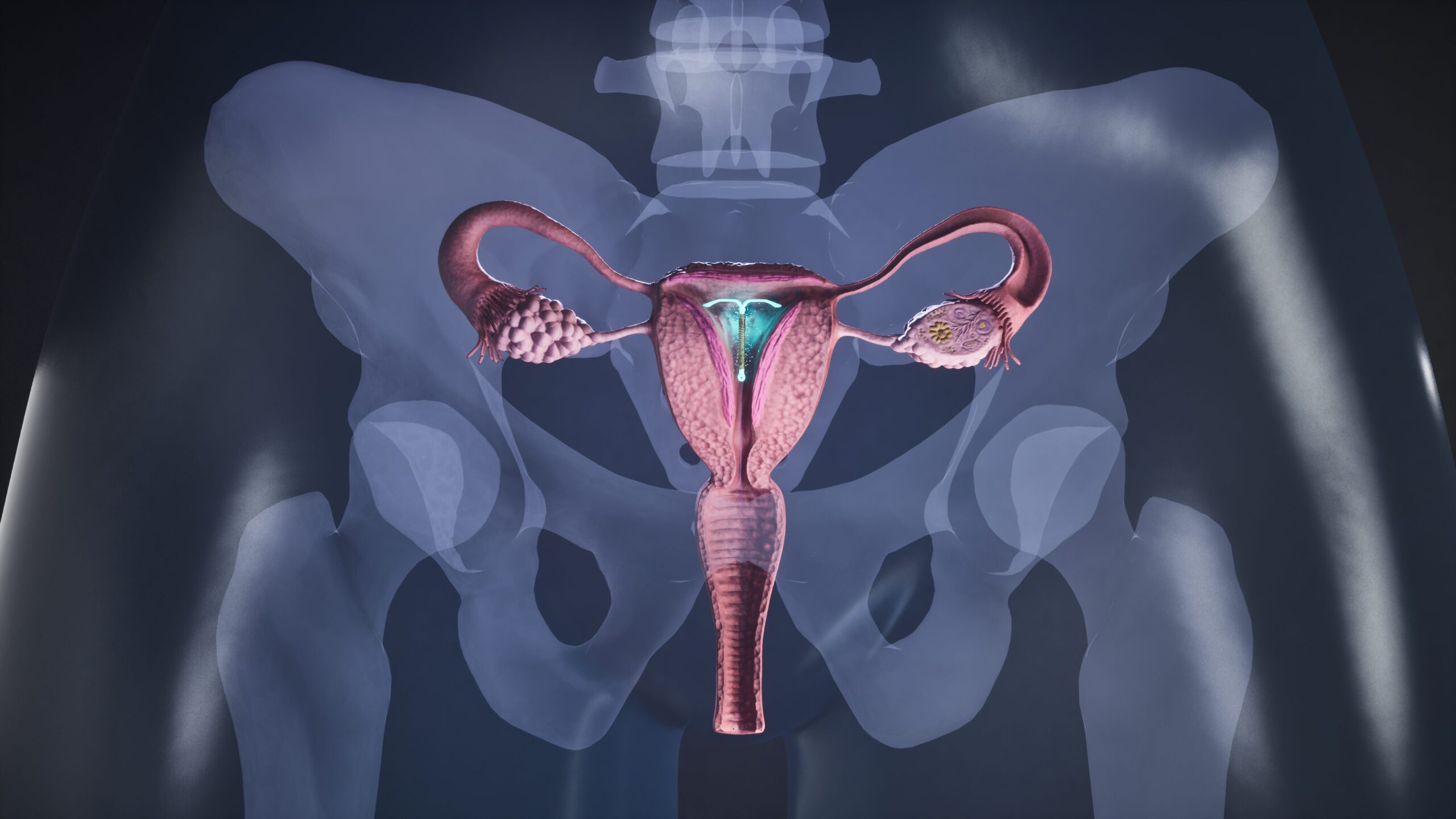
Contraceptives are methods used to prevent conception and unwanted pregnancies. There are barrier ones (like the condom), hormonal ones (like the contraceptive pill), intrauterine ones (coils) and surgical ones (like the vasectomy). Choosing the right contraceptive method is not just a matter of convenience, but of Health And awareness. Condom, pill, spiral, patch: when it comes to contraceptionthere are so many options available and there is often the risk of confusion. What are the differences? How do they act on our body? And above all, how reliable are they? In this article we give a complete overview to understand how they work the different types of contraceptives: from barrier methods to hormonal ones, including intrauterine devices and surgical or emergency solutions.
Please note: This article is a technical summary. To delve deeper into each individual method, see full efficacy data, and better understand the biochemistry behind it, We warmly invite you to watch the full video above. Furthermore, this article is for purely informative and informative purposes. It is absolutely necessary to consult your trusted doctor, gynecologist or gynecologist before choosing or starting any contraceptive method. Only a healthcare professional can evaluate your clinical picture and recommend the safest and most suitable solution for you.
Types of contraceptive methods
Barrier methods or physical methods
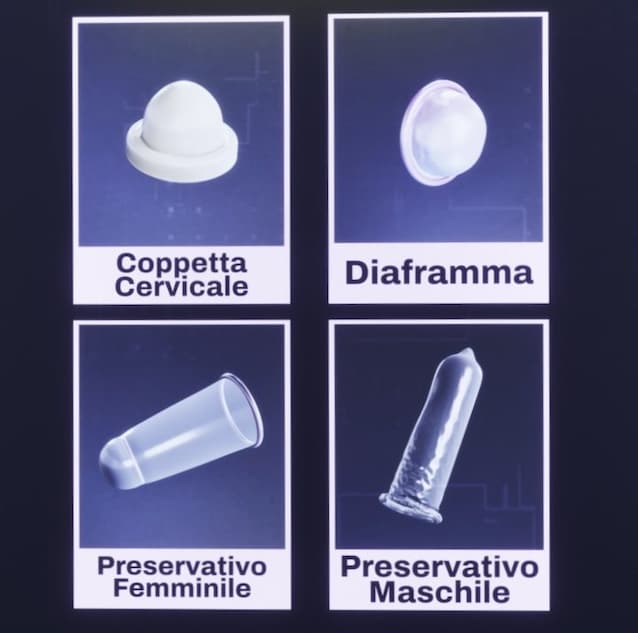
These are the methods that, as the name suggests, they physically prevent the meeting between sperm and egg cell. They are of several types:
- Male condom: composed of a thin sheath usually made of latex or polyisoprene that is worn on the penis, condoms or condoms are the only ones (along with female condoms) that also protect against sexually transmitted diseases (STDs).
- Female condom: made up of a sheath made of synthetic material which has two flexible rings, one closed to be inserted into the vagina and a larger one which remains outside.
- Diaphragm: a domed disk to be inserted into the vagina before intercourse to cover the cervix
- Cervical cap: similar to the diaphragm but more rigid and with a different shape. The latter two are often used in combination with spermicides but they do not protect against STDs.
Hormonal methods
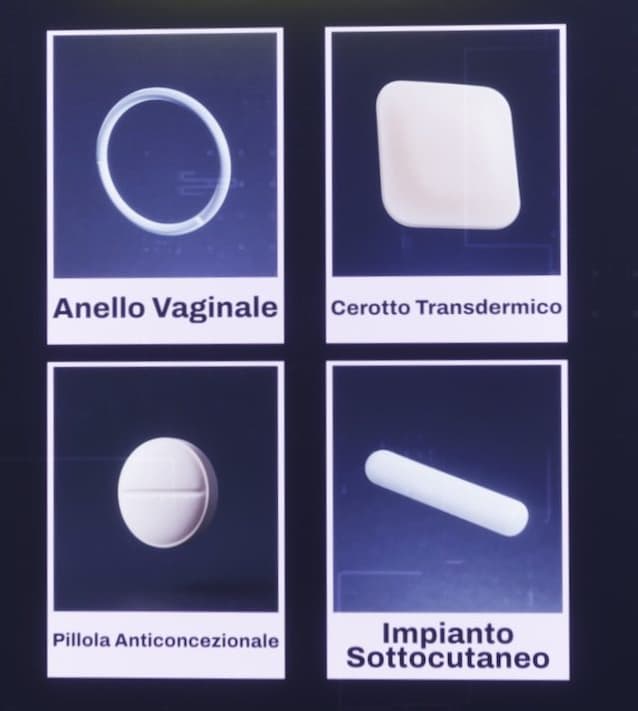
They act biochemically to block ovulation through the release of hormones (estrogens and progestins). In this category we find:
- There contraceptive pill: it is the most widespread method that must be taken orally daily and is divided into two main types. There pcombined illus (estroprogestin) which contains two hormones, an estrogen and a progestin and the minipill which only has progestin.
- Vaginal ring: a flexible ring made of non-toxic material (ethylene vinyl acetate) which is inserted into the vagina. It releases hormones constantly for 21 days, then is removed for a week off.
- Transdermal patch: it is applied to the skin and releases hormones. It changes every week for three weeks, followed by a break. It is waterproof.
- Subcutaneous implant: a small non-toxic plastic stick (about 4 cm) that is inserted under the skin of the arm. Releases progestin slowly and lasts up to 3 years.
Intrauterine methods
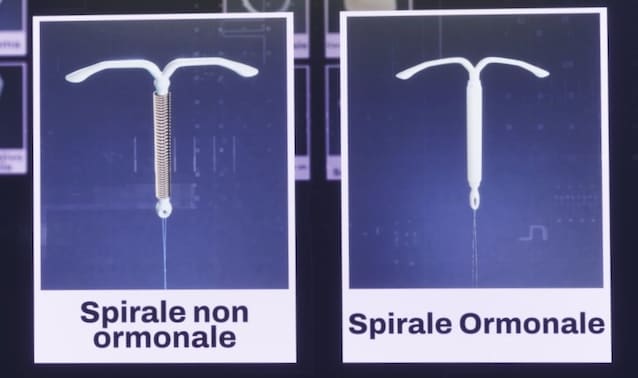
In this case we are talking about devices shaped like “T” inserted into the uterus by a gynecologist via a mini insertion procedure (not an operation) that offer long-term protection.
- Hormonal spiral: releases progestin locally, thickening cervical mucus and inhibiting ovulation.
- Copper spiral: it’s a method not hormonal. Copper generates a unfavorable environment for the life of spermatozoa and prevents the implantation of the egg.
Surgical Methods
These are irreversible interventions that interrupt or remove the ducts necessary for reproduction.
- Tubal sterilization: closure or removal of the fallopian tubes;
- Vasectomy: cutting of the vas deferens in men (prevents the passage of spermatozoa).
Emergency contraception: what is the morning after pill
If one method fails (e.g. the condom breaks) or you have unprotected intercourse, you can resort to the so-called “morning after pill” which should be called “pill as soon as possible”. The name can be misleading because although they are effective for up to 72 or 120 hours, they should be taken as soon as possible. Their purpose is block ovulation: if you wait too long and ovulation occurs in the meantime, the pill may not work. They are not abortive methodsbut preventive.
The reliability of contraceptive methods with the Pearl index
To measure the reliability of a method we use thethePearl indexwhich indicates the failure rate. The lower the number (closer to zero), the safer the method. Here are some indicative data (referring toperfect usei.e. without human errors) reported by the Italian Society of Andrology and Sexual Medicine: even if it is not possible to make a final ranking of the safest contraceptives, their effectiveness can be measured both in the case of perfect use and in the case of typical use.
| Method | Pearl Index (Perfect Use) | Pearl Index (Typical Use) |
|---|---|---|
| Female condoms | 5 | 21 |
| Male condoms | 2 | 18 |
| Diaphragms | 6 | 12 |
| Combined or progestin-only oral contraceptives | 0.3 | 9 |
| Transdermal contraceptive | 0.3 | 9 |
| Vaginal ring | 0.2 | 9 |
| Copper spiral | 0.6 | 0.8 |
| Hormonal spiral | 0.2 | 0.2 |
| Subcutaneous implant | 0.05 | 0.05 |
| Female sterilization | 0.5 | 0.5 |
| Male sterilization | 0.1 | 0.15 |
It is important to note that intypical use (i.e. in real life, where you can forget a pill or use a condom incorrectly), the effectiveness tends to decrease for all methods. For both uses, the safest method is the subcutaneous implant. The coitus interruptuson the other hand, has a very high failure rate – approx 22% – and it does not protect against diseases, making it an unsafe method. Choosing the right method depends on your body, your lifestyle and your health, and should always be chosen with the support of a healthcare professional.
