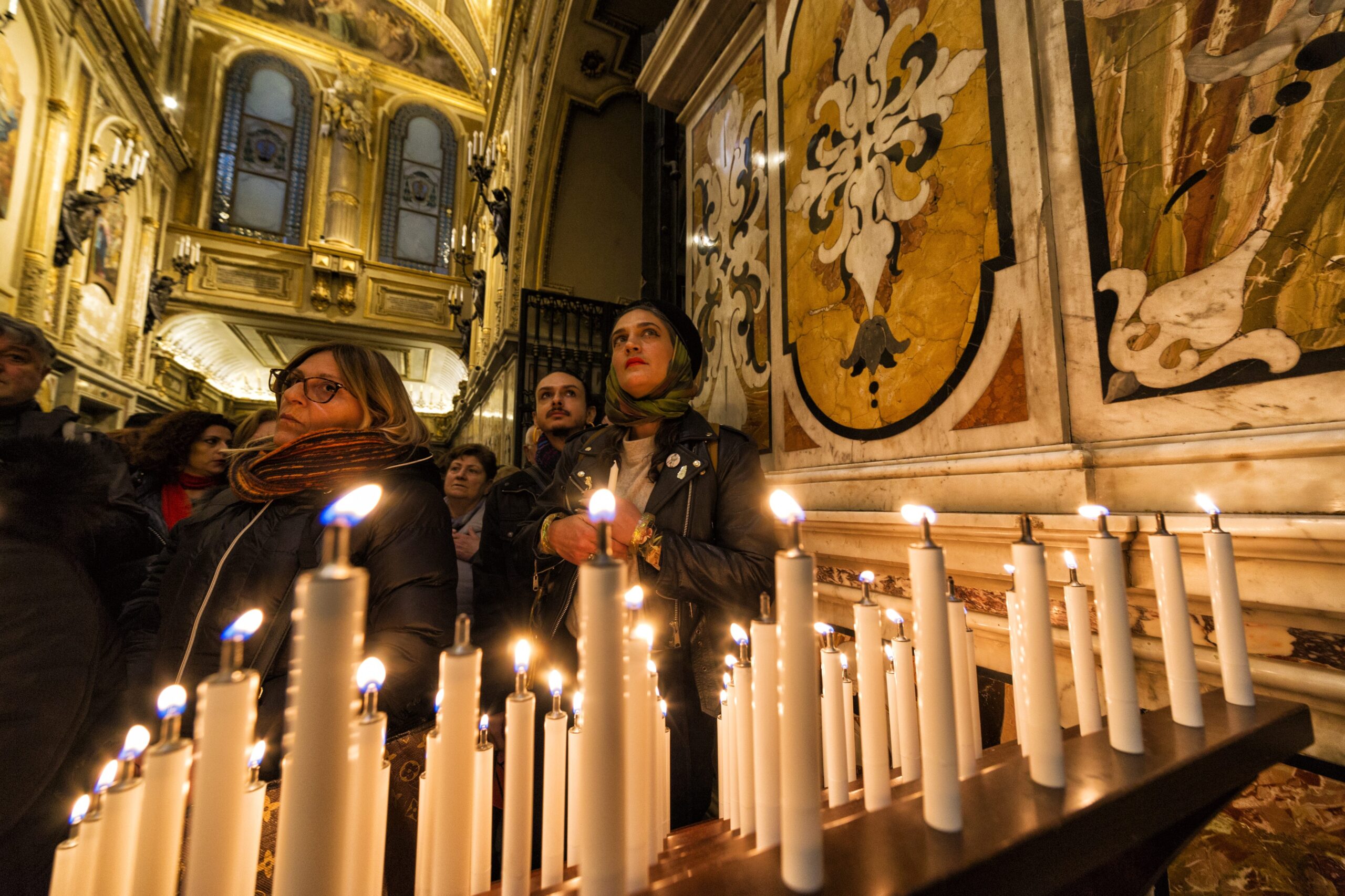
There Candlemas celebrates, through the blessing of candles in churches, the presentation of Jesus at the templewhich took place, according to tradition, 40 days after birth. This is why it is celebrated 40 days after Christmas, that is February 2. Lighting candles, in this tradition, is a metaphor for the revelation of Jesus. The occasion also celebrates another event, the purification of Marybut since the years of the Second Vatican Council the meaning of commemoration of the prevails presentation of Jesus. During Candlemas the blessing of candlesfrom which the name by which we know the holiday originates. Furthermore, customs and proverbs are associated with the anniversary in all Christian countries.
What is Candlemas: history and meaning
Candlemas is the name by which the celebration of the presentation of Jesus at the temple in Jerusalem is known. Jesus was Jewish and, according to the law of Mosesthe firstborn children had to be brought to the temple and “offered to God”, according to a precise ritual, forty days after birth. Therefore, when the date of December 25 was established for the birth of Jesus, it was taken for granted that the presentation in the temple took place on February 2, that is, forty days later.
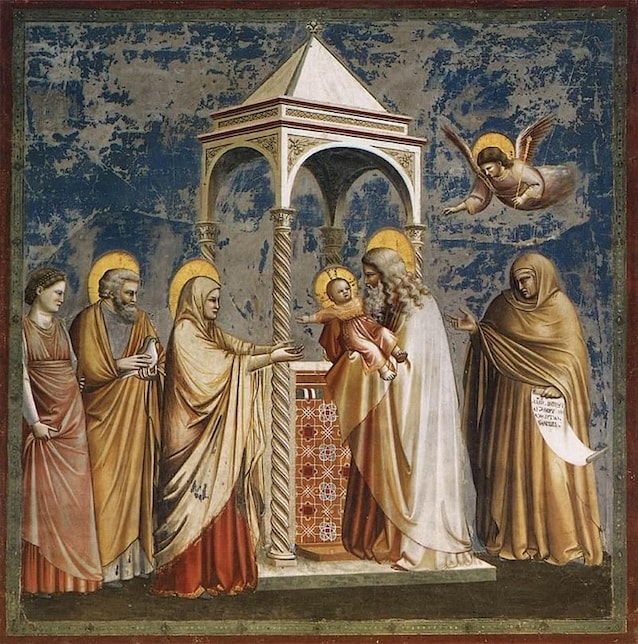
The celebration of Candlemas, however, also commemorates another event that occurred on that same day, the purification of Mary. According to Jewish tradition, after giving birth a woman was impure for forty days (sixty-six if she gave birth to a daughter). February 2, therefore, is also the day on which Mary returned to being “pure”.
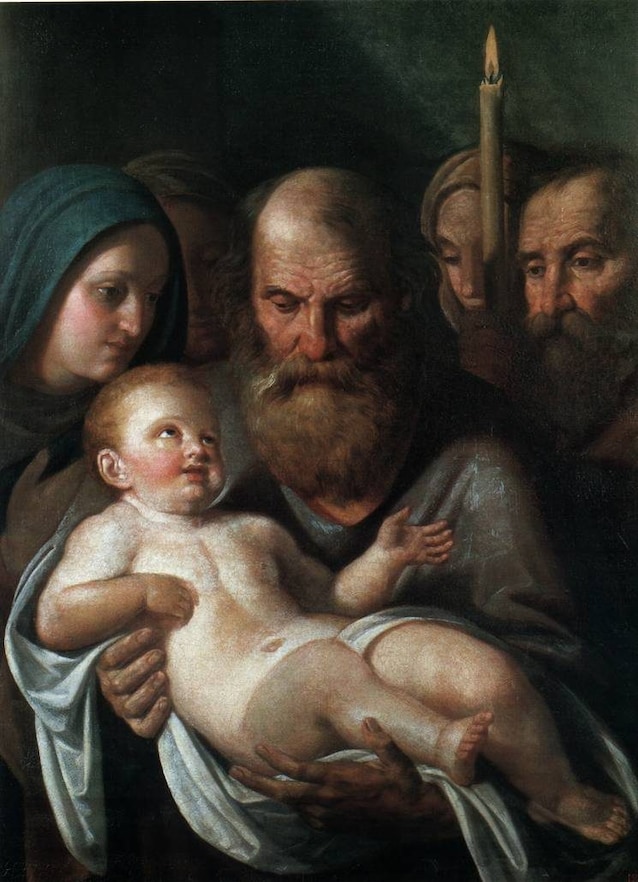
The name Candelora, however, derives from the custom of blessing candles, which are considered a symbol of Jesus because, when he was brought to the temple in Jerusalem, he was greeted by priest Simeon with the nickname “light that illuminates the people”.
The pre-Christian origins of the anniversary
The celebration of Candlemas has incorporated elements of pagan cults. It’s probably related to Roman festival of Lupercaliawhich was celebrated in February in honor of Lupercus, god of fertility.
It is also possible that the celebration also has Jewish heritage. Candles have great relevance in Judaism, one of the symbols of which is the Menorahthe seven-branched candlestick. Furthermore, candles are the central element of the Hanukkah holidayalso known as the Festival of Lights, commemorating the consecration of a new altar in the Temple in Jerusalem.
The evolution of the Candlemas celebration
The celebration of Candlemas is attested since the 5th century AD. C.but originally it fell on February 14, forty days after the epiphany. The popularity of the occasion increased after 492, when Pope Gelasius I convinced the Roman Senate to abolish the Lupercalia festival. In the following century, at the time of Emperor Justinian, the celebration was brought forward to February 2nd.
Since then Candlemas has gained great popularity, but the meaning has varied depending on the periods and places. In oriental churches the celebration commemorates above all the meeting of Jesus with the priest Simeon, to the point of being called hypapantii.e. “meeting”. In WestHowever, throughout the Middle Ages and the modern age, Candlemas commemorated the purification of Mary and was considered a Marian celebration, as officially sanctioned in the sixteenth century by the Council of Trent. However, in the 1960s the Vatican Council II wanted to give centrality to the figure of Jesus and established that the day celebrates the presentation of Jesus in the temple.
Popular traditions and removal of nativity scenes and Christmas decorations
The celebration of Candlemas is widespread in many Christian countries and has given rise to various popular traditions. For example, in France and Belgium it is a day when it is customary to prepare crepes.
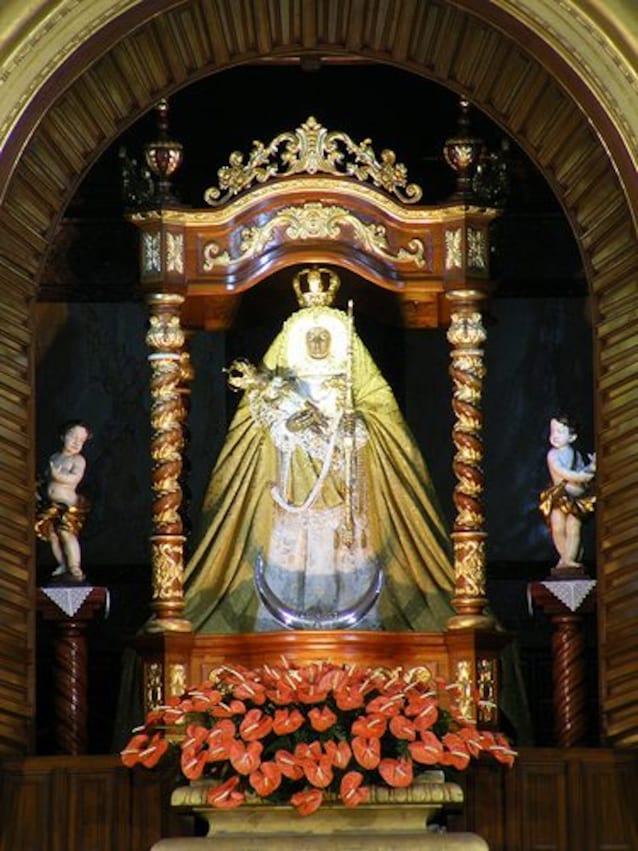
The figure of the. is also associated with the celebration Virgin of Candelariawhich derives from the legend according to which in 1392 two natives found a statue of the Madonna in Tenerife, in the Canary Islandswho were not yet Christian at the time. The local population soon began to venerate the statue and at the end of the fifteenth century, when the Canary Islands were conquered by Spain, the celebration took on a Marian character. Today the Virgin of Candelaria is the patron saint of the Canary Islands and is venerated in several Latin American countries.
Even in Italy the traditions and proverbs associated with Candlemas are numerous. For example, al Sanctuary of Monteverginenear Avellino, on February 2nd there is a gathering of transvestites, of whom “Mamma Schiavona”, the Madonna venerated in the sanctuary, is considered the protector. TO CataniaHowever, the celebration of Candlemas is incorporated into the feast of Sant’Agata, patron saint of the city.
Proverbs related to meteorology
Numerous are also associated with the Candlemas tradition proverbsmany of which are related to the weather and the end of winter. The best known one reads more or less:
For Holy Candlemas, whether it snows or rains, we are out of winter; but if it’s sunny or sunny we’re still in the middle of winter.
In other words, bad weather would indicate a quick end to winter, while good weather suggests that the cold season will last much longer. It is a proverb completely similar to the one about Merla Dayswhich in popular tradition fall immediately before Candlemas. In reality there is no real confirmation of the reliability of this proverb, which probably has its origins in ancient agricultural activities.
Main sources
Sebastiano Rizza, The Time of Candlemas,
Franco Cardini, The days of the sacred. The rites and festivals of the calendar from antiquity to today, Utet 2016
Philippe Walter, Mythologie chrétienne. Mythes et rites du Moyen Âge, Imago, 2003.
