Italy won the bronze medal in mixed doubles curling at the Milan-Cortina 2026 Winter Olympics. Stefania Constantini and Amos Mosaner beat Great Britain 5-3 to win the eleventh medal of the Italian team and confirm their place among the elite of this Olympic sport after the gold in Beijing 2022. As we rejoiced in their play, however, the questions arose spontaneously: why do they scrub the ice with those brooms? Why are they yelling at each other? And above all, how do they run on the track without falling disastrously? Curling is undoubtedly one of the most fascinating team winter sports and, behind those “smooth granite stones” – the stone – which are worth a medal, there is a concentration of physics, strategy and materials engineering. Here’s everything you need to know to really understand how they managed to get on the podium.
The rules of Olympic sport
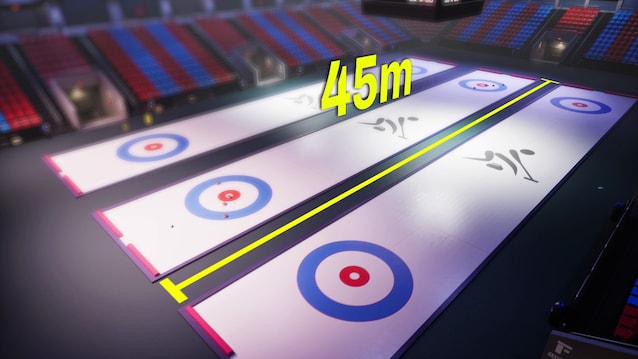
The way curling works is very similar to that of bowls. The aim is simple: to launch the stone (the granite stones) along a frozen field of about 45 meters and place them as close as possible to the center of the target drawn on the ground, called “house” (house).
The dynamics vary slightly depending on the category. In the classics men’s or women’s teams four players take to the field and each player has two stones available, for a total of eight throws per team for each hand or end (in total ten are played). In the mixed doublesHowever, the challenge is quicker: only one man and one woman per team participate, with 5 total stones to throw for each of the 8 hands provided. Strategy is everything: shooting straight to the center is often useless, because your opponents could “reject” your stone the next turn. You have to build barriers (the so-called guards) and plan every move like in a game of chess.
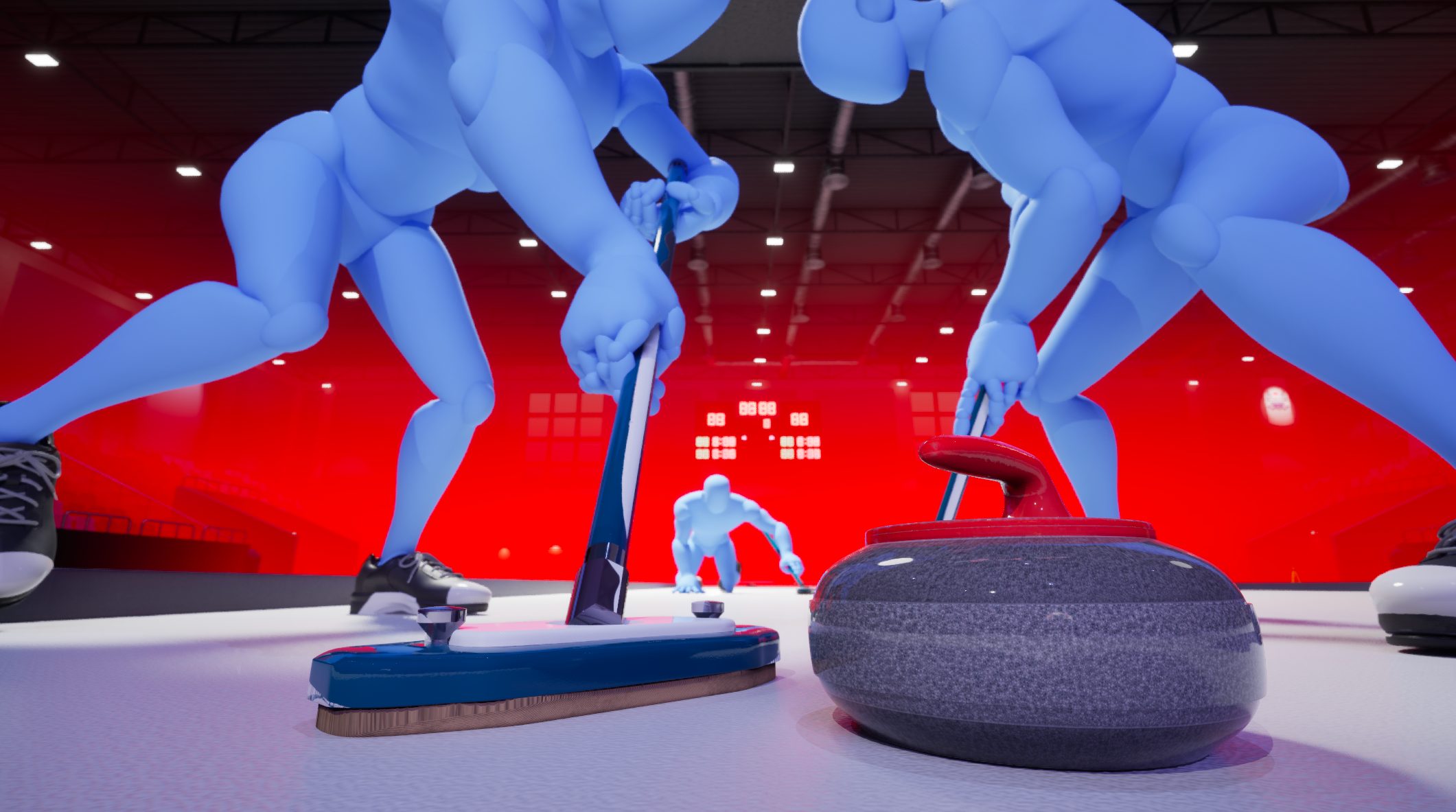
Players have rotating roles. In the team of 4: one throws the stone, two brush to modulate the direction and braking, and one is on the other side of the field, close to the goal, shouting the trajectory, the throwing and sweeping strategy.
The player who places the stone closest to the absolute center wins the hand. Strategy is fundamental: it’s not enough to shoot in the center on the first shot, because your opponents could “throw” your stone away on the next turn. You have to build barriers (guards) and plan every move. For each throw, 3 aspects are mainly considered: the speed, how much to rotate the stone so that the trajectory is straight or parabolic, and then the brushing because with these brooms they brush and can greatly change the outcome of the throw
Why do you sweep ice with a broom and what is it for: sweeping
Have you noticed that curling ice doesn’t reflect light like hockey or skating ice? This is because the surface is not smooth. Before the race, a specialized technician (theice maker) passes over the field spraying droplets of water which freeze instantly forming the so-called pebble.
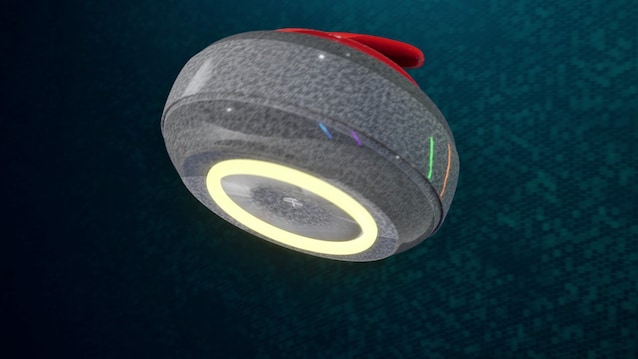
This creates an irregular surface, full of small “humps”. This has two decisive physical effects: rreduces friction And allows the “curl”. The stone is concave and touches the ice only with an external ring (called running band). By resting only on the tips of the pebble bumps, the contact surface is minimal. When the stone is thrown with a rotation (clockwise or counterclockwise)the interaction between the stone and the bumps creates a difference in friction which generates a lateral force. This causes the stone’s trajectory to curve (hence the name to curl = curl/curve).
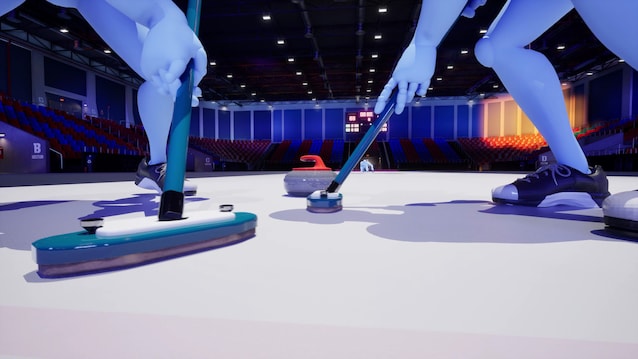
But why brush furiously in front of the stone? The two players who “fuck” (sweepers) have a crucial role in modulating the physics of the launch. Rubbing the brooms at high speed and pressure on the ice generates frictional heat. This heat momentarily melts the surface of the pebblecreating a microscopic film of water. Water acts as a lubricant with two immediate consequences:
- Maintains speed: by reducing friction, the stone does not slow down and can travel a few more meters.
- Straighten the trajectory: By reducing the lateral friction that causes the stone to curve, the stone will go straighter.
He’s the shooter (skip), who is on the other side of the field, shouting to the brushers when and how much to sweep to correct the running shot.
What materials are curling stones made of and how much do they weigh
Each stone weighs approx 19.1kg and there is incredible curiosity about their origin. All the stones used in the Olympics come from a single, small, uninhabited island off the coast of Scotland: Ailsa Craig. The stone is not a single block, but a real “sandwich” of materials assembled to withstand extreme conditions. The external part (the one above and below) is made of gRanito Blue Hone: a very fine-grained rock that absorbs very little water, which is essential to prevent moisture from penetrating and freezing, splitting the stone. The heart of the stone, however, is made of gRanito Common Greena different material, much harder and more elastic, specifically chosen to absorb the violent impacts of “failures” without falling apart.