The recent “incursion” of the Israeli Security Minister Itamar Ben-Gvir on the edge of the mosques – also known as “Monte del Tempio” e Al-ḥaram al-Sharīf In Arabic – he has again tensile tension in Jerusalem. The minister, as well as leader of Otzma Yehudit (far -right Israeli party), he performed this gesture with a clearly provocative intentand has aroused numerous criticisms and reactions, both internal and international.
The esplanade of the mosques is one of the most important places of worship on the planet: It is sacred for the three great abyss monotheistic religions – Christianity, Islam and Judaism – and houses buildings with an invaluable symbolic value, in particular for Jews and Muslims. Precisely this co -presence, combined with the delicate agreements on the administration of the site, has generated strong frictions for decades among the faithful. Frictions that, with the aggravation of the Israeli-Palestinian conflict in recent years, have become increasingly frequent and acute.
Where is it and how is it administered?
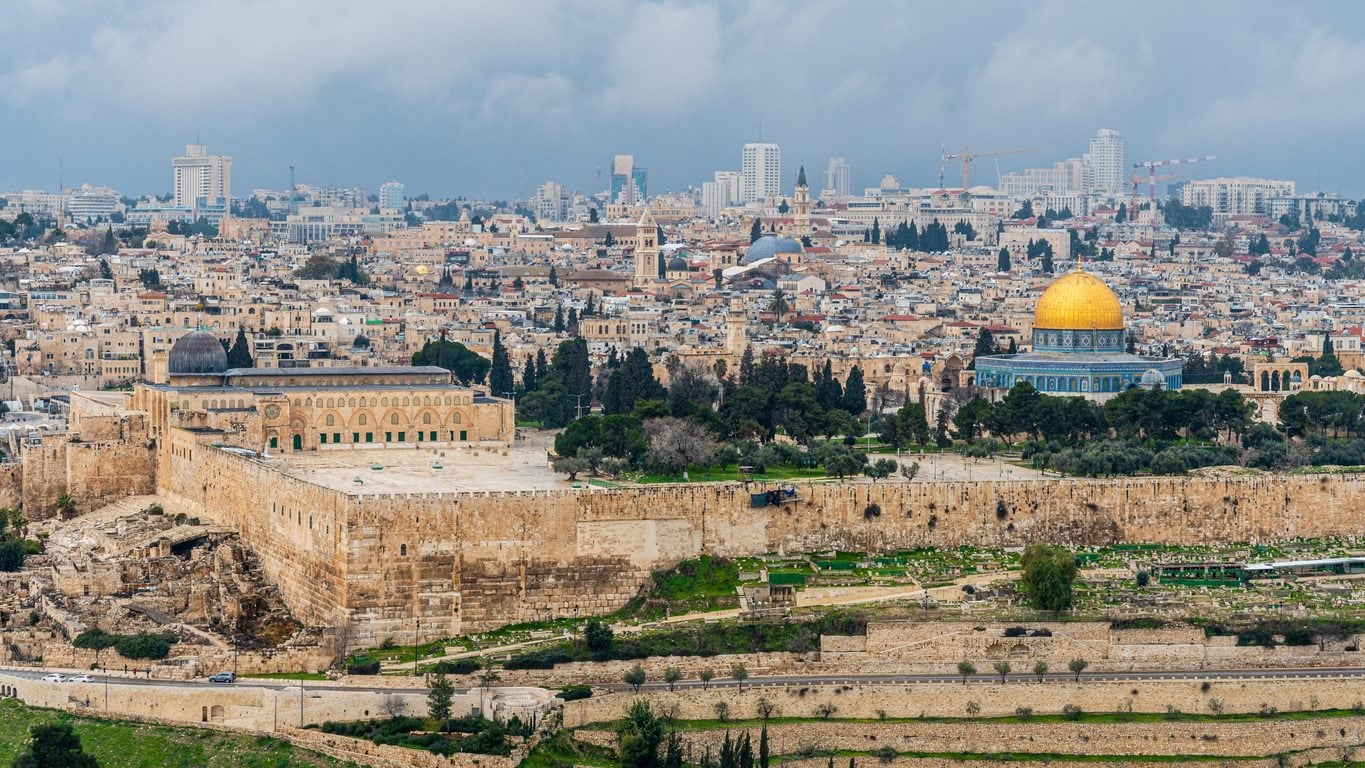
The esplanade of the mosques is located in the Old town of Jerusalem Estthat is, the historic center of the city enclosed by the walls, 740 meters above sea level, on a total area of about 0.15 square kilometers.
After the creation of the State of Israelwhich took place in 1948, Jerusalem was divided into two: West Jerusalemoccupied by Israel, e Jerusalem Estoccupied by Jordan. Giordano’s control of Jerusalem Est lasted until Six days warin 1967, when Israel conquered the Gaza Stripthe West Boardthe Golan Hall And, in fact, the eastern section of the city of Jerusalem, including the esplanade of the mosques.
At this point, although Israel had the military control of the sitethrough a agreement bilateral It was decided that the management of the esplanade of the mosques should be administered by the Jordanthrough the control exercised by theIslamic entity Giordano Waqfalready responsible for the Al-Aqsa mosque and other sacred buildings at Islam inside the complex.
The agreement was more than anything else a formal question and has not prevented, over time, the succession of numerous episodes of violence or attempts, by the extremist groups, to break the delicate balance of the area.
Currently, the management and supervision of the site are still under the Giordano control, but the actual management of safety safety and control of access to the esplanade are in all respects in the hands of Israel.
Why is it important for Muslims?
The esplanade of the mosques, or Al-ḥaram al-Sharīfis one of the most important-symbolic places for Islam. In the area there is in fact the Al-Aqsa mosquethe most important in the Islamic world after the Sacra Mosque della Mecca and the Mosque of the Prophetof Medina.
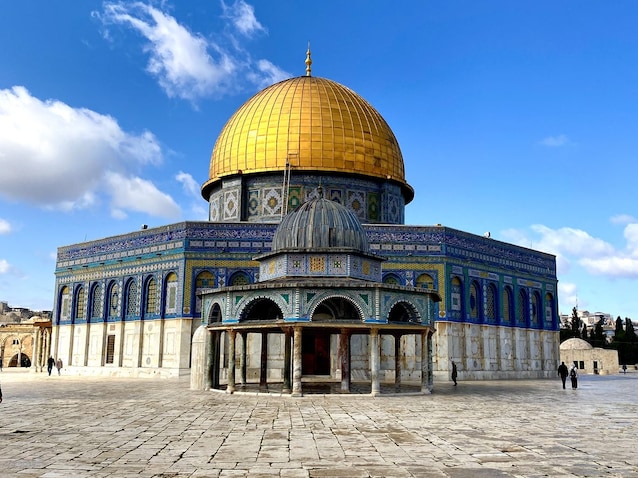
Also the sanctuary of the Dome of the rock It is an important symbol for Muslims but, more generally, for all Abrahamatic religions. The rock on which the structure rests is in fact identified as the place from which the prophet Muhammad ascended to heaven to meet Allah.
Why is it important for Jews?
According to the Jewish tradition, the First temple of Jerusalembuilt by King Solomon in the 10th century, and the Second Templerebuilt on the ruins of the first after the Babylonian exile and then expanded by Herod. The second temple was then destroyed by the Romans in 70 AD
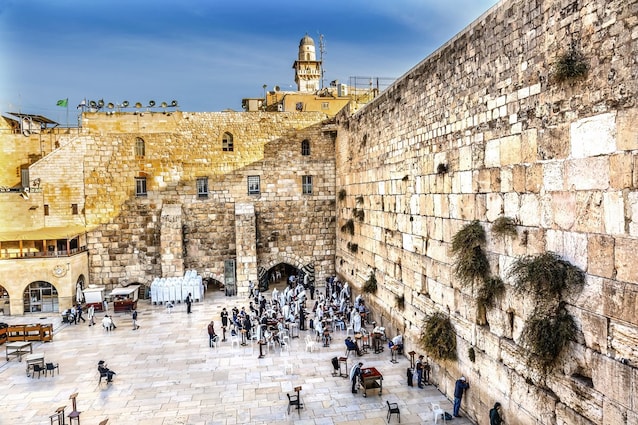
The Mount of the Temple is considered the point where God created the world and where Abraham He was ready to sacrifice his son Isaac. Even today, the Jews pray to this place, and the western wall (or wall of crying), a surviving part of the fence of the second temple, is one of the most important places of prayer of Judaism.
A provocative act against the status quo
The delicate social and geopolitical balance of the area has been troubled once again in August 2025, with a visit to Itamar Ben-Gvir, National Security Minister in the new Netanyahu government.
Ben-Gvir, an exponent of the Isrealian far right, has long claimed the right of the Jews to pray to the Mount of the Temple, going against the conditions of the status quo in force since 1967, established with the agreement between Israel and Jordan, and according to which i not Muslims could visit the esplanade but it could not pray.
The visit was obviously interpreted as one provocation direct to the balance, triggering strong reactions from the Palestinians and other Arab countries in the region.
Ben-Gvir’s rhetoric and its extremist and anti-Palestinian ideological positions have contributed to feed religious tensions and the diplomatic concerns related to a possible change regarding the control and administration of the site.
