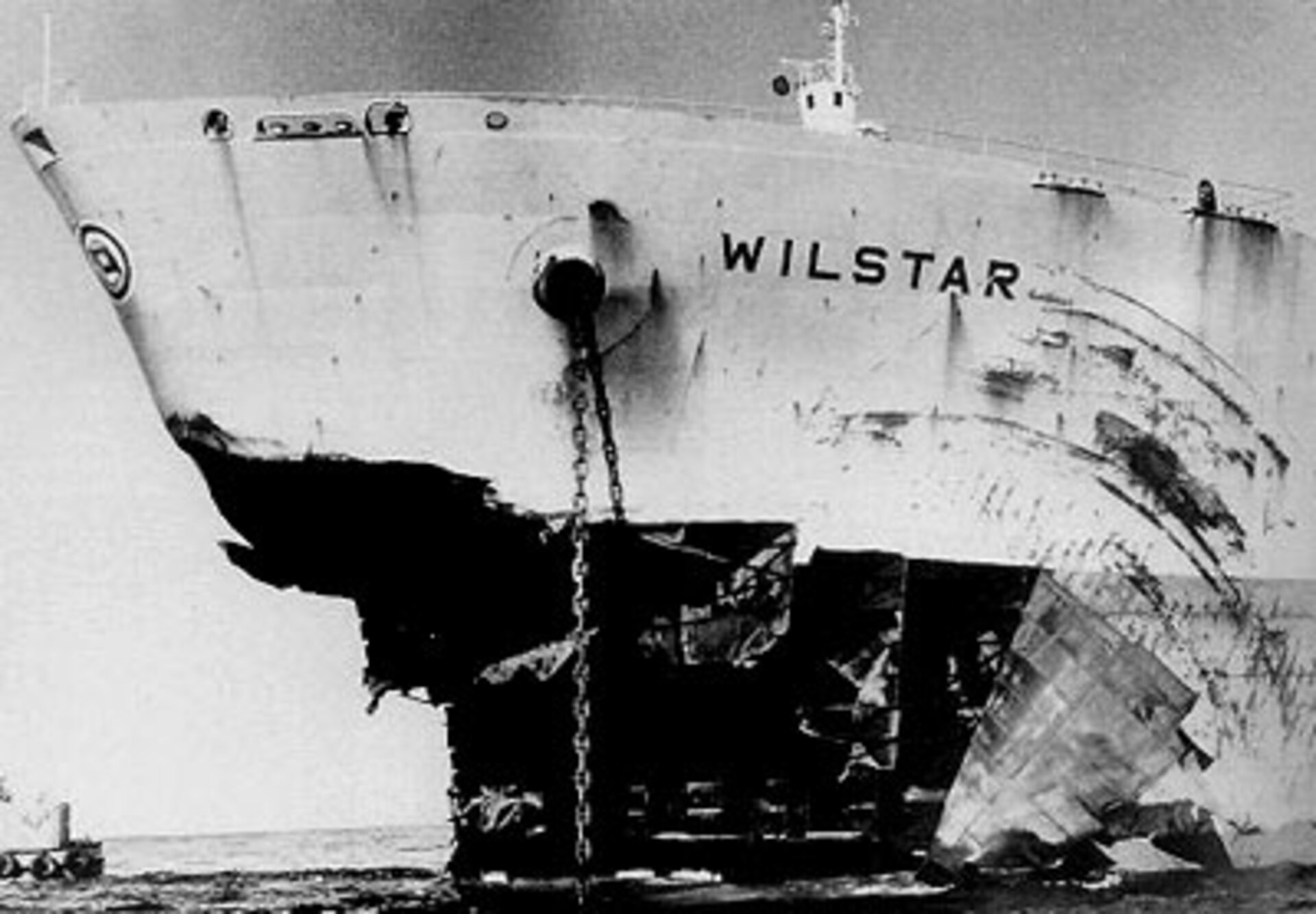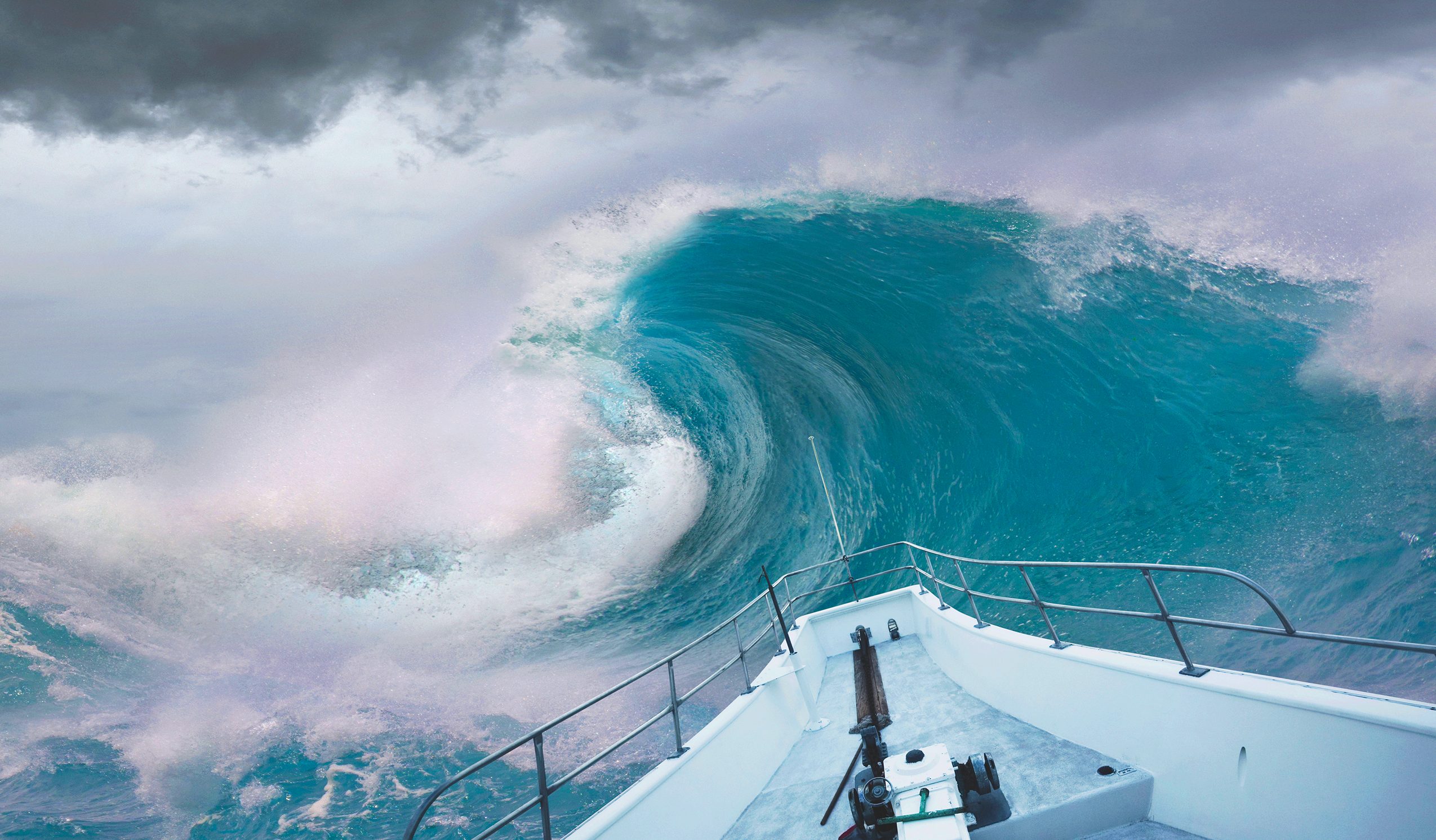
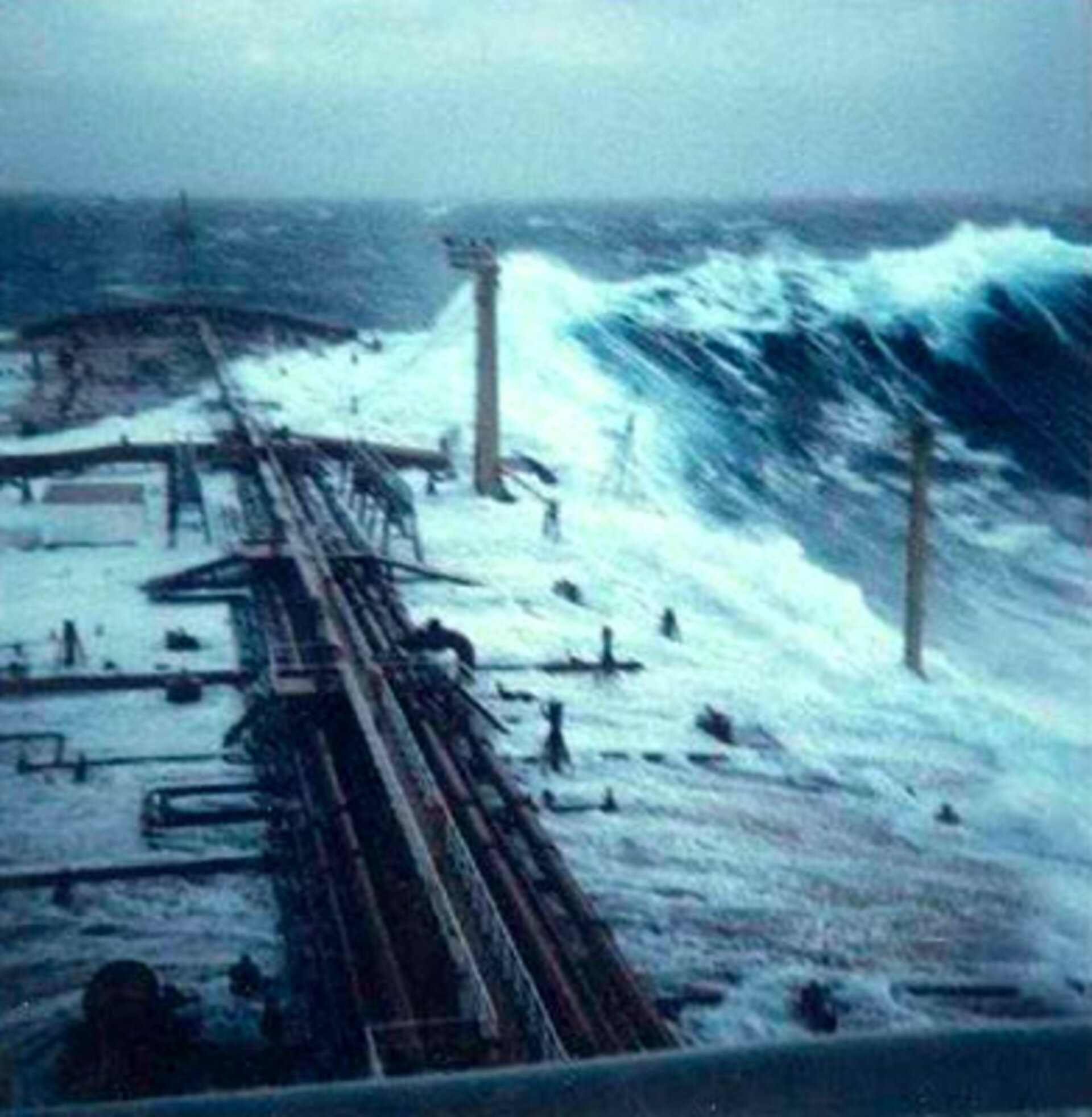
For centuries considered a fruit of the imagination of sailors, the waves anomalous and the processes underlying their formation have long remained unclear. Approximately thirty years from the first instrumental measurement of a rogue wave high beyond 25 metersan international research team could have clarified the formation mechanism, tracing it back to the phenomena of constructive interference and natural asymmetry of sea waves. The waves anomalous (in English rogue waves)they are sea waves sudden and exceptionally high which, for centuries, have been part of the folklore maritimeoften being considered a myth or the fruit of stories handed down and amplified by sailors.
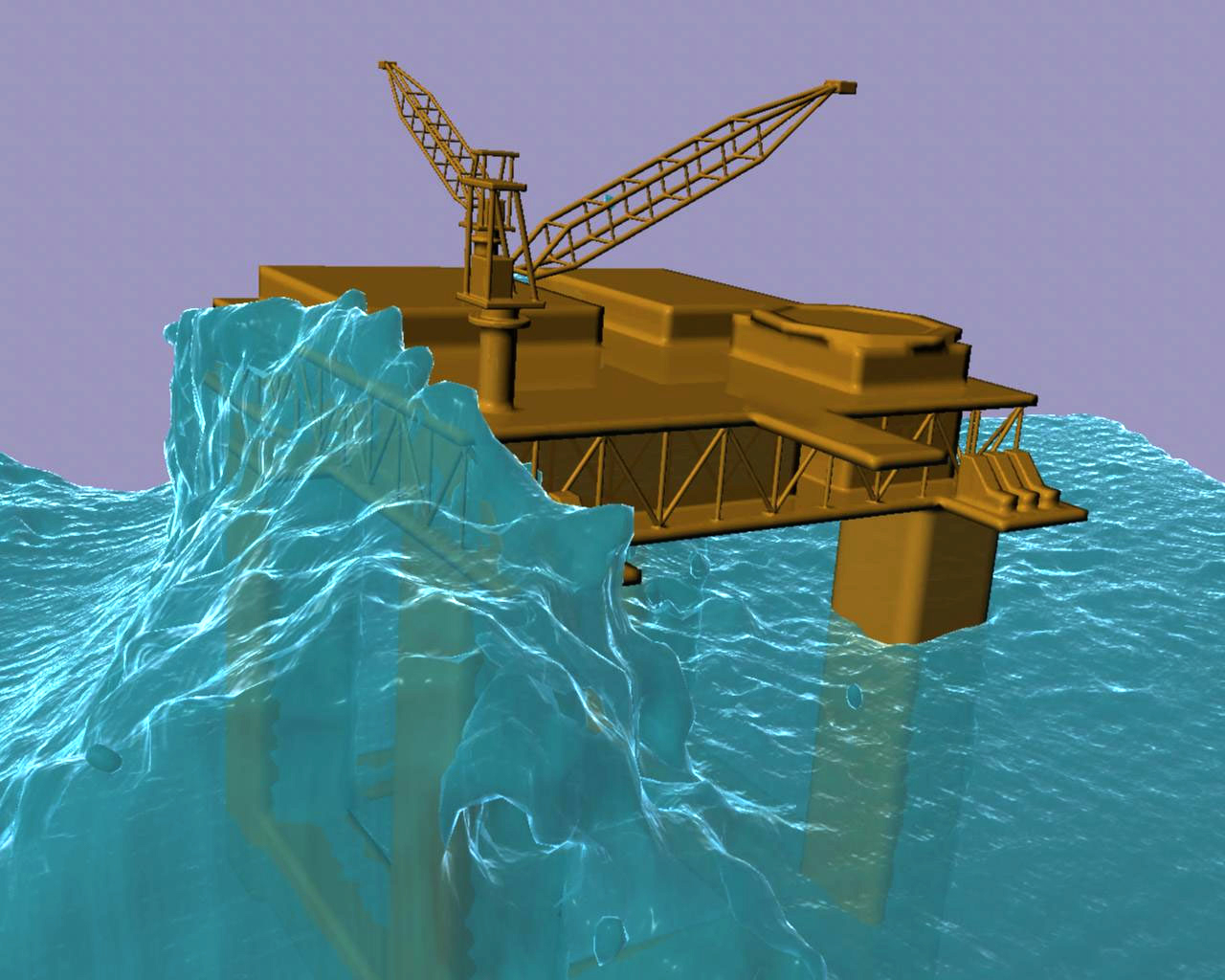
The idea that an isolated wave, with a height equal to at least double that of the surrounding sea, was in fact difficult to reconcile with scientific knowledge and linear models of the ocean. However, in 1995a sensor laser installed on the oil platform, in Sea of the North160 km from the Norwegian coast, recorded a high wave 25.6 meters. Subsequently named Draupner Wave, it was the first rogue wave ever detected and provided definitive confirmation of the existence of these extreme marine events. Numerous other rogue waves were measured in the years to come. In November 2020a high wave 17.6 metres was measured off the coast of Ucluelet, Canadian British Columbia. While it did not reach the height of the Draupner Wave, it is considered one of the most extreme ever recorded, as its height far exceeded three times that of the surrounding waves.
How anomalous waves are formed: the causes
Various theories have been formulated to explain the formation of anomalous waves, some quite bizarre. In recent years, the most accredited model has been based onmodular instability: a nonlinear and complex physical phenomenon, in which small perturbations in the structure of a group of waves are amplified in time and space, causing the energy transfer towards a single wave that rapidly grows until it becomes dominant in the system. However, a new study questions this interpretation, arguing that the model is valid only in particular conditions, i.e. when the waves are confined and forced to propagate along a single direction, as happens within a channel.
Let’s take an example: imagine a crowd of spectators flowing out of a stadium through aonly exit which leads to a corridor. In this scenario, which may resemble the behavior of a freak wave, people are forced to all move in the same direction, gathering until they pile up. On the contrary, if the stadium exit opened onto alarge squarespectators would disperse freely in multiple directions, without concentrating in a single stream. This analogy, although deliberately simplified, helps to clarify why the modular instability model may not be applicable to the open sea: in absence of confinementthe waves are not constrained to propagate along a single direction and the energy transfer therefore does not tend to concentrate in a single dominant wave.
What the new study says
In the new study, the researchers suggest, however, that the growth of anomalous waves is mainly linked to a physical phenomenon common to different types of waves: theconstructive interference. According to this model, the rogue waves would form when more ordinary waves converge and interact with each otherensuring that, in favorable conditions of phase and direction, their energy adds up and gives rise to a wave significantly higher than the surrounding ones. This effect is further amplified by natural asymmetry of sea wavescharacterized by ridges tend to be sharper and steeper than flatter cables (i.e. the concavities between two ridges), making constructive interference more effective in producing extreme waves. Rogue waves form and disappear in a very short time, often within less than a minute. When a wave grows beyond a certain critical threshold of height and energy, it can no longer sustain itself, becomes unstable and collapses rapidly.
To reach these conclusions, the authors of the study did a good analysis 27,505 sea height measurementsrecorded every 30 minutes, between 2003 and 2020, using laser instruments installed on the Ekofisk oil platform, in Sea of North. The results of the study were published on July 1, 2025 in the international scientific journal Scientific Reports.