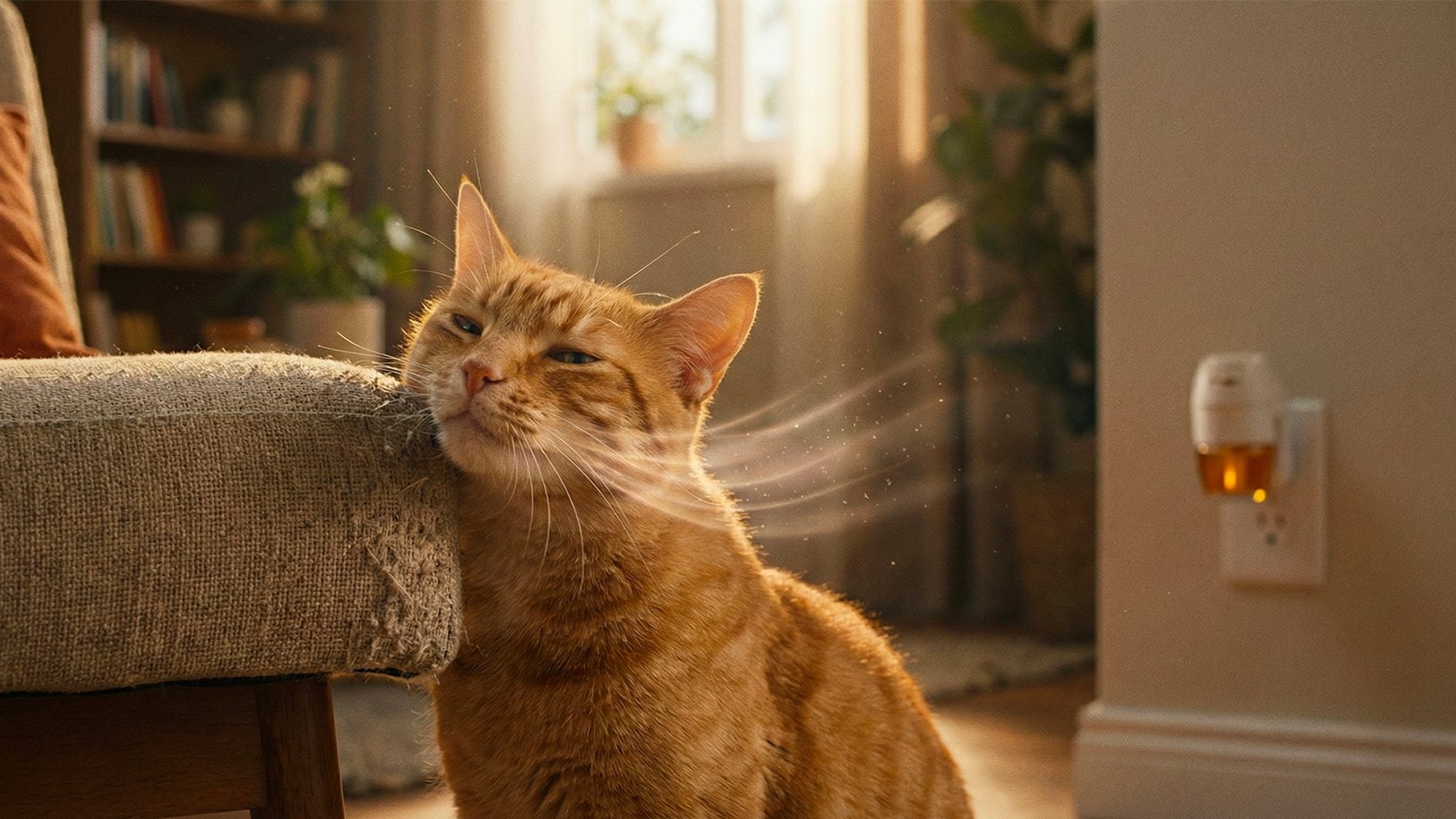
The pheromones are real odorous messages that cats produce to communicate with their peers: they communicate who they are, where they have been, if an environment is safe, if another cat is a friend or rival. They are such powerful signals from influence the behavior of those who perceive them: for example, females in heat use them to attract males (no, it’s not the same for humans). It is therefore not surprising that we humans have tried to exploit them to improve domestic coexistence and to reduce stress, anxiety and conflicts in our feline companions. Since 1996 we have found sprays, collars and diffusers based on synthetic pheromonesbut their effectiveness remains a debated topic: the results of the studies are variables and often limited, also because research on cat behavior is relatively recent. Furthermore, each cat has its own story and can respond differently to these solutions, which work anyway integrated with other strategies.
What are pheromones and what effect do they have on cats
Not having a living room in which to chat or a group chat on Whatsapp, the animals have developed different communication systems: physical, vocal, visual, or based on the emission of chemical signals, through feces, urine or secreted by specific glandswhich in cats are located on the muzzle, head, anal level and on the pads of the paws.
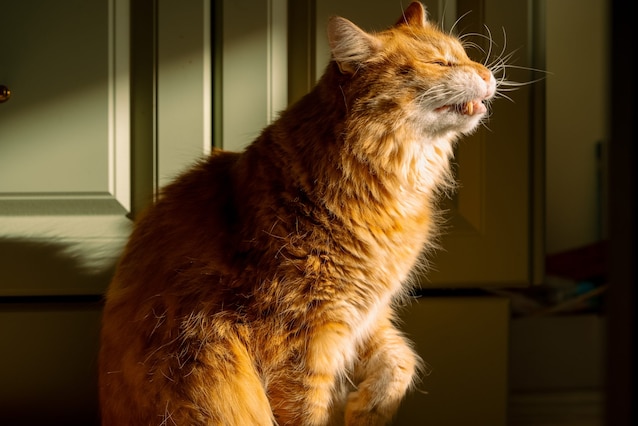
These molecules are called pheromones and are substances semiochemicalsthat is, they can activate specific behavioral responses in those who smell them. They are perceived thanks to smell andvomeronasal organ (VNO)a specialized sensory structure consisting of two small, fluid-filled sacs located in the hard palate. The pheromones that our cat smells dissolve in the saliva and rise towards the VNO through two small ducts located behind the incisors and the so-called Flehmen response. Often immortalized on social media (half-open mouth, curled upper lip and raised head) this posture facilitates the entry of chemical molecules, such as pheromones, into the VNO. In practice, he is “tasting” the smell to analyze it thoroughly. The signal then goes directly to the amygdala, a region of the brain involved in emotions.
What pheromones do we use to calm them
Odor recognition is an ancestral mechanism that kittens already possess at birth, when they can only rely on touch and smells. Several studies have shown that the scent of the nest and the mother reduces stress vocalizations And increases the sense of security. It is therefore not surprising that, even as adults, cats use smell as emotional and spatial reference point and that we humans try to use them to reduce the stress of our feline friends, avoid aggressive behavior or direct scratching.
Facial pheromones to reduce stress
There are five types, they are secreted by the glands on the face and the cat deposits them when it rubs its face on objects or on us. They serve to “mark” familiar and safe places, people or other animalsreducing anxiety and increasing the feeling of control over the environment,
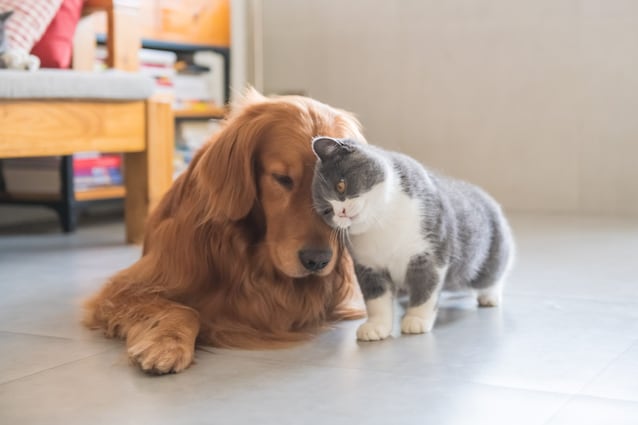
On the market, there are formulations that contain in particular the pheromone F3perhaps the most studied of all, recommended for reducing stress, urinary markings or unwanted scratches. You won’t have to say goodbye to the sofa.
Feline appeasing pheromone (CAP – Cat Appeasing Pheromone) to avoid conflicts
It is produced by mother cat during breastfeedingfrom the mammary glands and has calming effect on puppies. It is also thought to promote social bonding. For this reason, synthetic analogues have been formulated which are recommended in homes with multiple cats or when a new fur baby arrives reduce conflicts and aggression.
Interdigital pheromone (FIS – Feline Interdigital Semiochemical) to target scratching
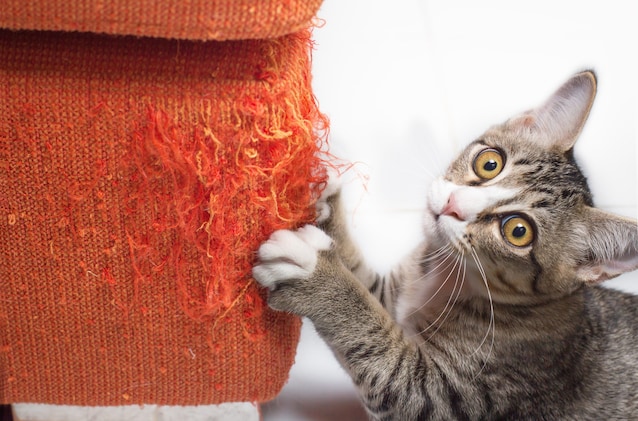
During scratching, whether on trees in the garden or on your poor sofa, the cat releases pheromones from the glands present in the paw pads: in this way, it indicates that the place is familiar and suitable for that function. Products based on this pheromone have been formulated, which can be sprayed on the scratching post, marking it as a place for scratching. In this way, you would be able to divert him from the sofa and direct him to that new and never used scratching board.
But do they really work?
The short answer is: sometimes yes, but I’m not a magic wand. First of all, it also depends on the cat. Systematic reviews highlight a key point: there are few studies, many of them with methodological limitations and effectiveness is not guaranteed in every context.
The most solid studies concern the pheromone F3. Some research has shown a reduction in cortisol (the stress hormone), although not significant, and a decrease in stress-related behaviors: for example meowing and they fuss less during travel in the carrieras demonstrated in a 2021 study, or veterinary visits. Randomized, controlled studies indicate positive effects, although not universal and with individual differences, related to the sex and experience of the cat.
For CAP and FIS there are studies that are still too recent and with few participants, but quite promising. In some studies of FIS, for example, up to 74% of cats stopped scratching unwanted surfaces, and in a study of multi-cat households, CAP demonstrated a significant reduction in aggression towards other cats.
How to best use them and where to spray them
Although scarce, the literature on the subject clarifies that to make these pheromones effective it is best to combine them with other adaptation strategies. Here are some things to do if your cat scratches the furniture or is scared of the arrival of a new feline friend:
- place resources appropriately (litter boxes, kennels, scratching posts)
- play and mentally stimulate them every day (for example with puzzles to look for food) daily and mental stimulation
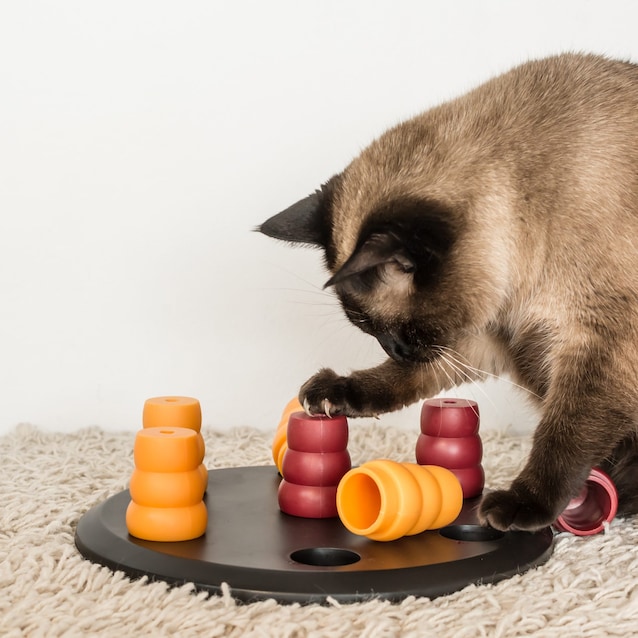
- leave them adequate spaces to hide and control the environment
- gradually manage environmental changes, such as moving house.
Sources:
Vitale KR (2018). Tools for Managing Feline Problem Behaviors: Pheromone therapy. Journal of feline medicine and surgery Endersby, S., Billy, C., & De Jaeger, X. (2024). Efficacy of a pheromone-impregnated collar in controlling feline problem behaviors, and an assessment of adverse events associated with collar use. Frontiers in veterinary science De Jaeger, X. , Meppiel, L. , Endersby, S. and Sparkes, A. (2021) An Initial Open-Label Study of a Novel Pheromone Complex for Use in Cats. Open Journal of Veterinary Medicine DePorter, T. L., Bledsoe, D. L., Beck, A., & Ollivier, E. (2019). Evaluation of the efficacy of an appeasing pheromone diffuser product vs placebo for management of feline aggression in multi-cat households: a pilot study. Journal of feline medicine and surgery American Veterinary Society of Animal Behavior – What are Cat Pheromones and What Do They Do? Shu H, Gu X. (2021) Effect of a synthetic feline facial pheromone product on stress during transport in domestic cats: a randomized controlled pilot study. Journal of Feline Medicine and Surgery Frank, D., Beauchamp, G., & Palestrini, C. (2010). Systematic review of the use of pheromones for treatment of undesirable behavior in cats and dogs. Journal of the American Veterinary Medical Association Vitale Shreve, K. R., & Udell, M. A. R. (2017). Stress, security, and scent: The influence of chemical signals on the social lives of domestic cats and implications for applied settings. Applied Animal Behavior Science Beck, Alexandra & De Jaeger, Xavier & Collin, Jean-François & Tynes, V.. (2018). Effect of a synthetic feline pheromone for managing unwanted scratching. International Journal of Applied Research in Veterinary Medicine
