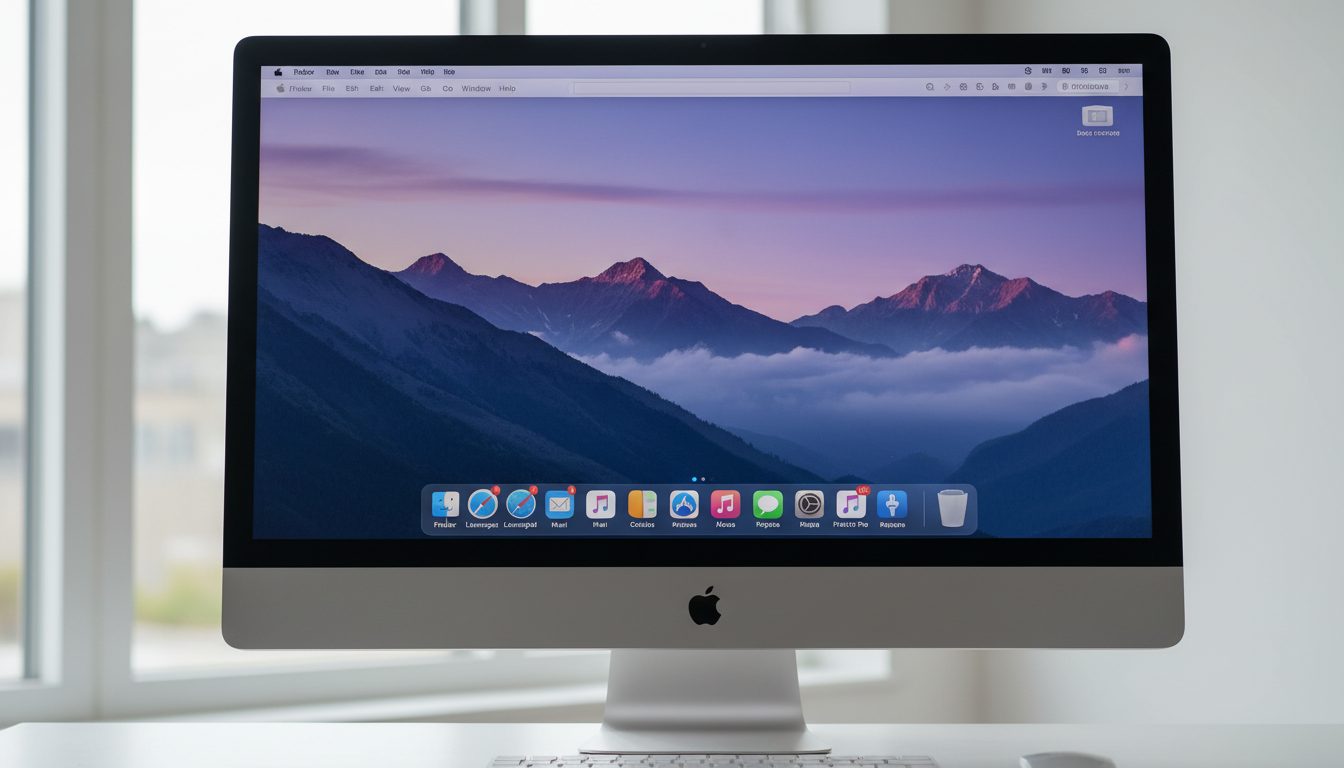
When in the 2013 there Apple he introduced OSmany were surprised: for the first time, the new operating system for Mac it was not named after a big cat. Tradition, that of using names of big cats, which over the course of over a decade saw numerous animals “parade”, including Cheetah, Jaguar, Tigeruntil you get to Mountain Lion. He intervened quickly (and pleasantly) on why Apple had decided to change course Craig Federighihead of Apple software, who admitted with some irony that the era of big cats was over. With Mavericks, Apple inaugurated a new phase of its identity, choosing to characterize each new version of macOS with the name of a location in California.
A decision that responded to practical reasons (the cats with which to name future versions of macOS would have ended too soon) and, according to some hypotheses, also to a sort of rebranding. The nomenclature based on place names would have served Apple to strengthen its Californian identity. The latter is a hypothesis on which the company has never officially intervened, at least at the moment.
Apple and the names for macOS: from felines to California locations
During the WWDC of June 10, 2013Apple announced the first software update for Mac offered free of charge to users and not a detail went unnoticed: the company had decided to archive the era of felines to inaugurate a new “tradition”: assigning names in codes corresponding to Californian locations. That year it was the turn of Mavericksa famous location among surfers on the northern coast of California, where waves up to 7-8 meters high put even the most expert athletes to the test.
Why did we go from using names of big cats to names of Californian places? Apple’s senior vice president of software engineering, Craig Federighiironically admitted that the company, having used names like Panther, Leopard and Mountain Lion for its nine updates, was in danger of running out of cat names. In fact, in a joking tone, Federighi said: «We don’t want to be the first development team to experience delays due to a lack of big cats». To be honest, on that occasion the Apple executive said that he was considering the possibility of calling the new version OSbefore concluding that that approach would also be quite limiting.
The locations used by Apple for macOS
Below we list all the locations used for the nomenclature of the Mac operating system which, among other things, in 2016 changed from being called OS
- OS (2013)
- OS (2014)
- OS (2015)
- macOS 10.12 Sierra (2016)
- macOS 10.13 High Sierra (2017)
- macOS 10.14 Mojave (2018)
- macOS 10.15 Catalina (2019)
- macOS 11 Big Sur (2020)
- macOS 12 Monterey (2021)
- macOS 13 Ventura (2022)
- macOS 14 Sonoma (2023)
- macOS 15 Sequoia (2024)
- macOS 26 Tahoe (2025)
Final little curiosity: regarding the latest version of macOS released in 2025 by Apple, Craig Federighi announced another interesting change, this time concerning the numbering of the operating system. Starting from macOS Tahoe, in fact, Apple has abandoned progressive numbering to embrace the numbering based on the adoption of the last two digits of the year following release. The same criterion also used for other OS “made in Cupertino”.
