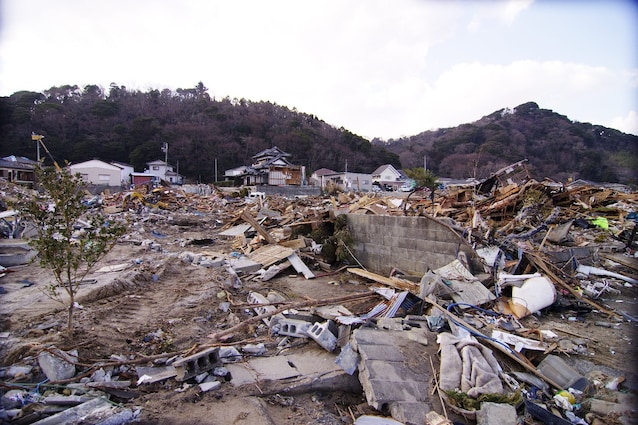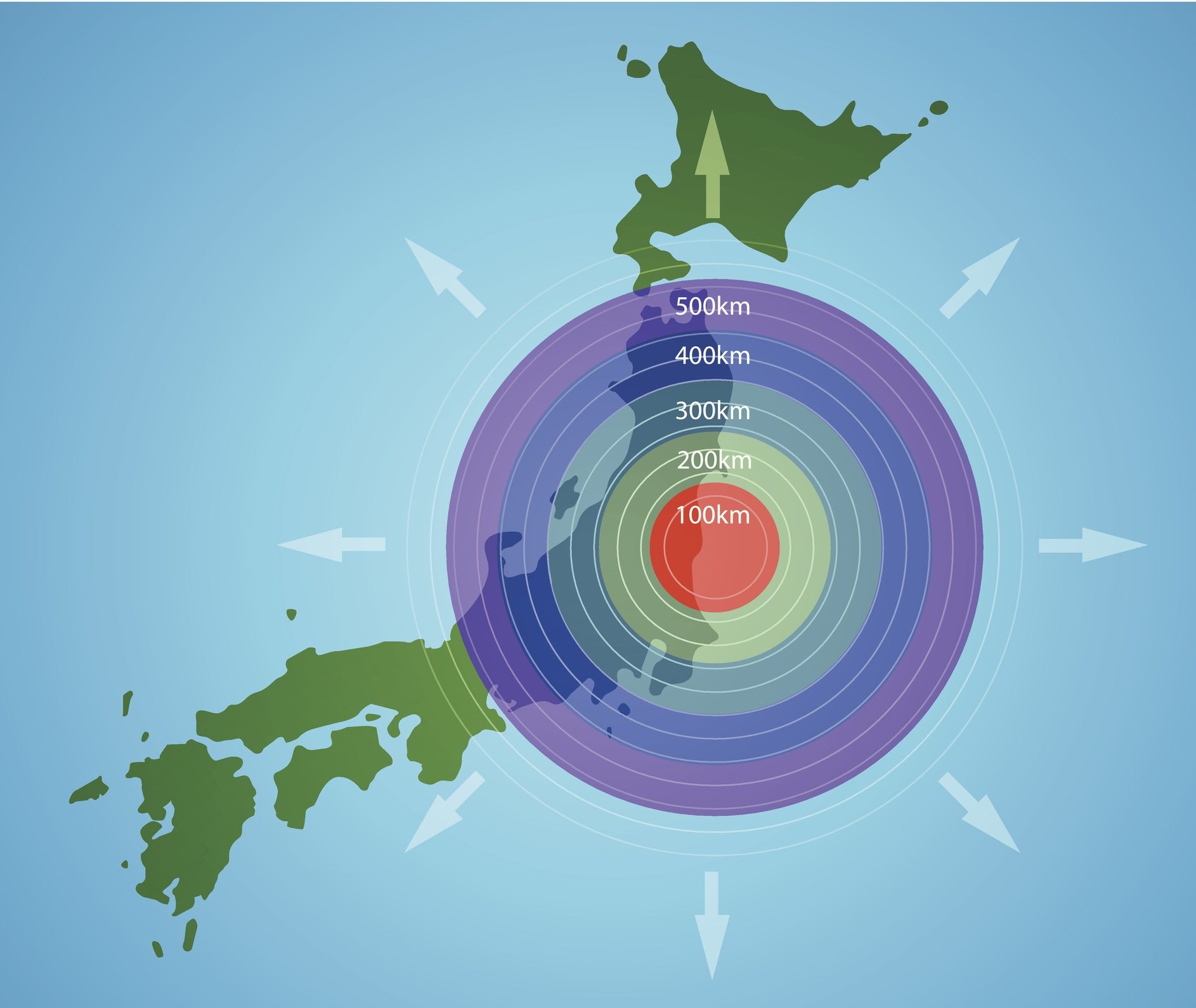
The magnitude 9.1 Tōhoku earthquake, which triggered one tsunami in Japan with a wave up to 40 m high, theFukushima Dai-ichi nuclear accident and approximately 20,000 casualties, it was so disastrous because of the characteristics of the fault zone from which it originated. An international team led by researchers from the University of Nevada discovered this, thanks to a drilling at the Japan Trench in the Pacific Ocean, the deepest ever performed for scientific purposes on the ocean floor, which reached 8000 m deep. As described by the new study, published in the journal Sciencethe analysis of the collected samples revealed the presence, along the fault, of an ancient clay layer which favored one slide of 50-70 m causing the seabed to rise by several metres.
The discovery about the 2011 earthquake in Japan
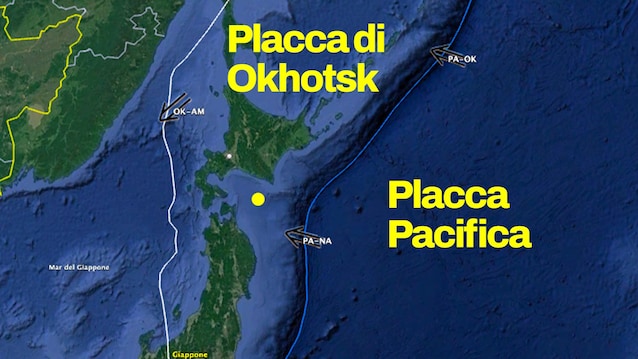
Japan is particularly prone to high-magnitude earthquakes because it is located along a subduction zonewhere the Pacific plate sinks beneath the North American plate. However, before 2011 such a violent earthquake had never been recorded in the country. The researchers wanted investigate the geological causes thoroughly behind this destructive event and, on board a research vessel, in 2024 they reached the Japan Trenchwhere one lithospheric plate sinks beneath the other. Here, with one drilling that reached 8000 m in correspondence with the fault zone along which the 2011 earthquake originated, they took some samples from the seabed. They later analyzed them, discovering that one is located between the plates clay layer 25-30 m thicksoft and very slippery. The layer was formed by the deposition of fine sediments on the seabed over the arc of 130 million years and is between two thick, more resistant rock layers, with a different composition. The presence of the weak clay layer has favored the development of the fault inside it and the propagation of the rupture, allowing a sudden sliding of 50-70 m of the plate margin. The consequence was the lifting of the seabed by a few metreswhich triggered the catastrophic tsunami.
Why studying is important
This study finally explains the extent of the earthquakewhich the large amount of energy accumulated over centuries in the fault zone was not sufficient to justify. The discovery suggests that, due to the unusual conditions of the area capable of favoring notable large-scale flows, in the future along the Japan Trench other similar events may occur associated with large tsunamis. The last strong earthquake in the area, which affected the northern part of the Japan Trench, was on December 8, 2025 and fortunately did not have serious consequences. Mechanisms similar to the one that occurred in the Japan Trench could also concern other areas of the planet and have contributed in the past to generating particularly violent seismic events. Therefore, knowing whether this clayey material is found in fault zones is essential determine the risk of destructive earthquakes and tsunamis and prevent their most serious consequences.