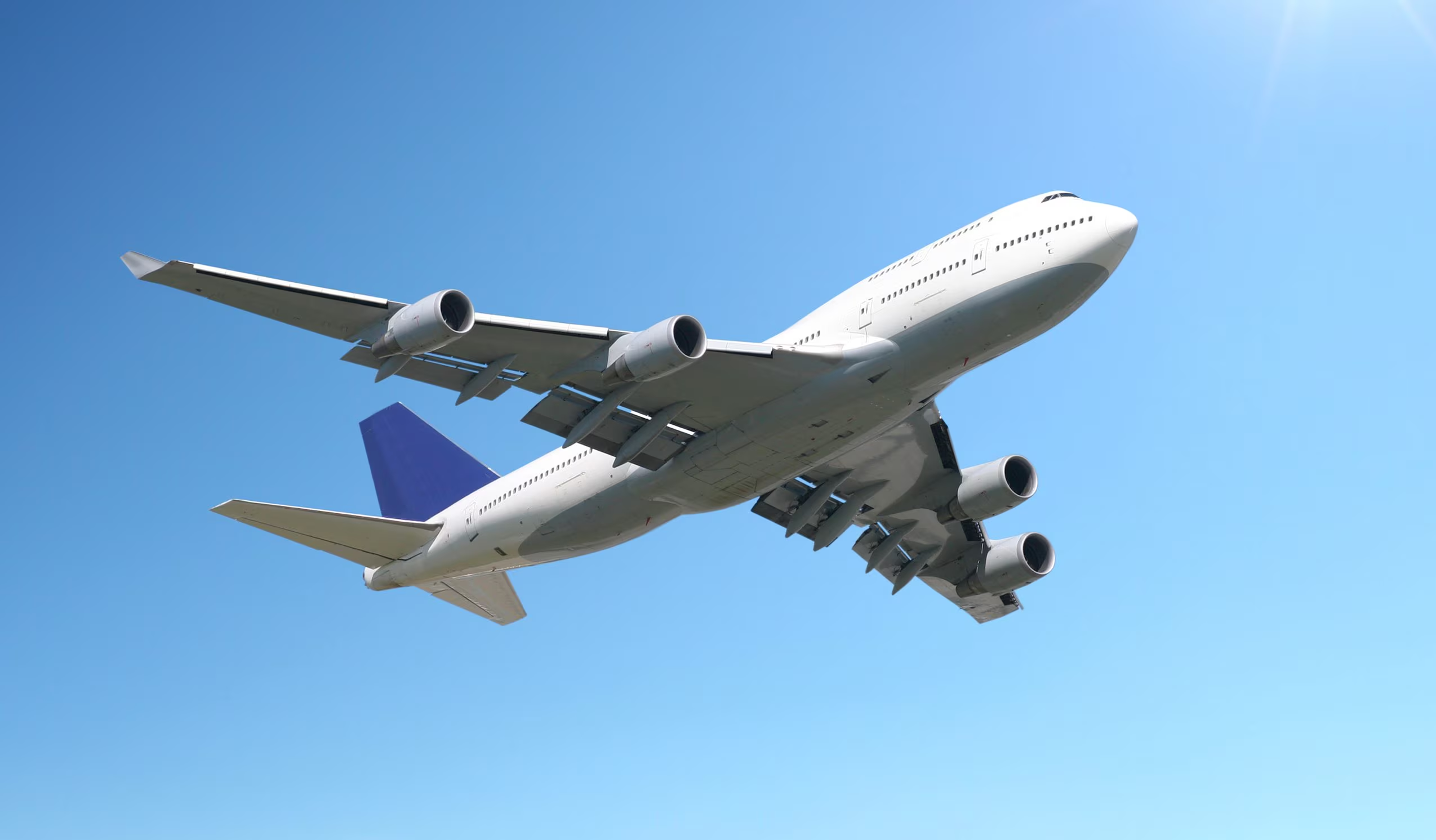
There is a detail that we see before our eyes every time we go to take a plane but that, perhaps, we have never focused on: almost all commercial aircraft are white. But for what reason? Well, they are different: for example, the white color reflects the sun’s rays, thus protecting the materials, facilitating safety checks and reducing management costs.
The first reason is economic nature – as you might expect. Painting a large plane (as also confirmed by the FlightRadar24 portal) can require between 300 and 450 liters of paint, for a cost that is often around 300 thousand dollars. The objective, therefore, is to find a color that is ruined as little as possible… and as you might imagine, this is precisely the white. In fact, this color tends to fade less than other darker shades, and this allows you to extend the time between one painting and the next.
But not only that: there are also scientific reasons. In fact, white allows you to reflect sunlight very well and this allows the vehicle to more easily maintain a controlled temperature inside the passenger compartment, especially on the ground during stops, and consequently save fuel.
The presence of white paint then allows for analyze the medium visually more immediately, allowing technicians to detect damage and leaks. Furthermore, a white plane turns out neutralmaking its leasing transfer from one company to another much easier and faster.
Having said that, it is always good to keep in mind that these are general indications, not a law. For this reason within the commercial aeronautical panorama one can see – literally – of every color.
New Zealand, for example, has its national airline equipped with a totally black livery for some representative vehicles, in defiance of everything we have seen so far. Play Airlines on the other hand – an Icelandic company – has a livery of a bright red.
