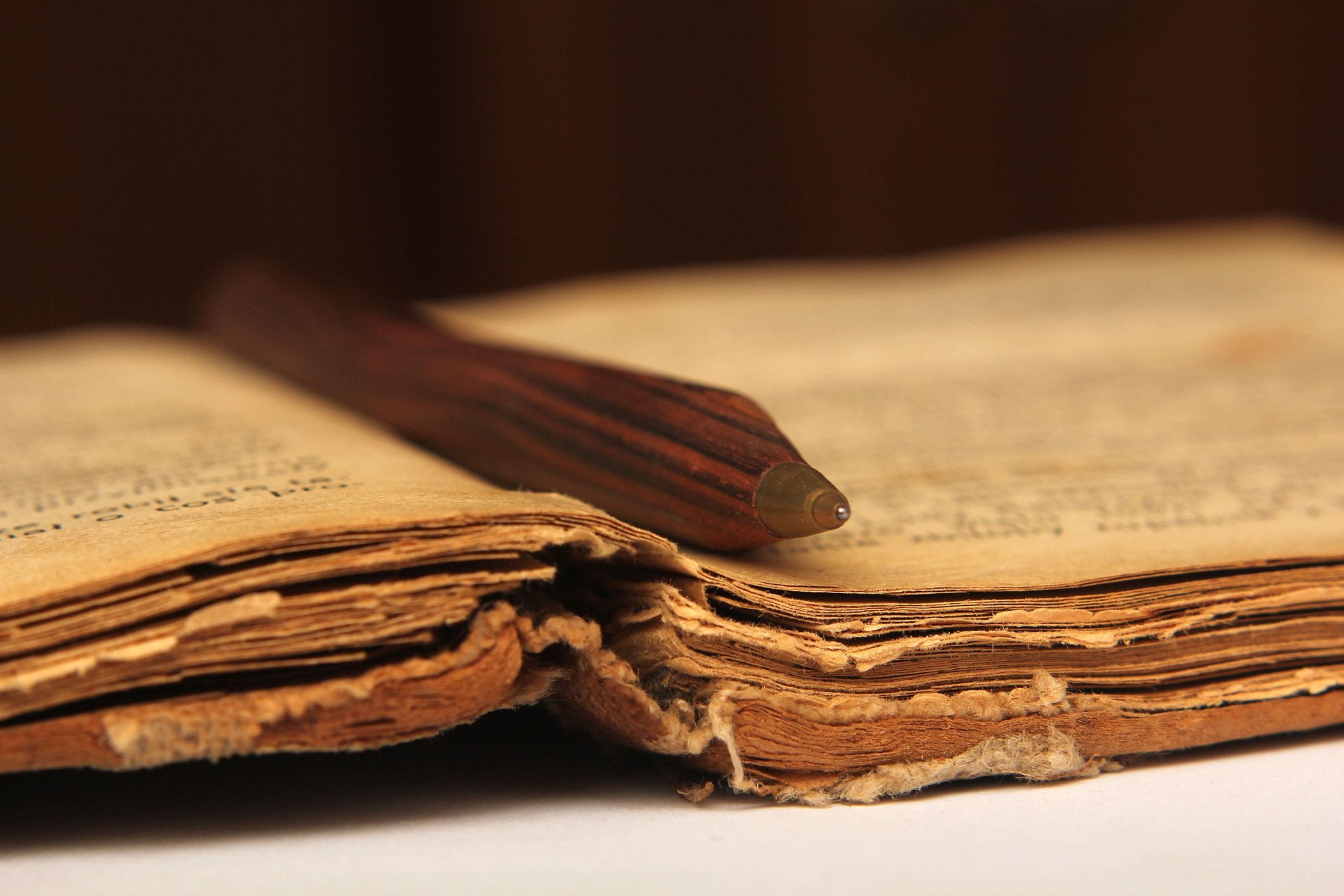
At least once you will have leafed through an ancient book, perhaps one that belonged to our grandparents or even before: the appearance of the pages is no longer the same. In particular, the color of the paper catches the eye, which it yellows over time: the macromolecules that compose it, in fact, change chemically over time. In particular, the cellulose – the main component of paper – undergoes reactions in the air oxidation which lead to the formation of new chemical compounds capable of absorbing visible light, thus making the surface appear yellow or brownish. If the ligninas with newspapers, yellowing occurs more quickly because this substance is even more sensitive to oxidation. Especially if stored in the wrong way, for example in very humid environments, these “aging” processes can occur much more quickly, undermining the very structure of the paper and our book.
What happens to paper when it yellows: cellulose and lignin
The paper is mainly composed of cellulosea natural polymer made up of glucose units linked together. As paper ages, cellulose reacts slowly with oxygen in the air. This process of oxidation it modifies the chemistry of cellulose leading to a molecular structure different from the previous one. The presence of a new arrangement of chemical bonds, with some breaking and others being created during the oxidation process, leads to the formation of new chemical groups – called chromophores – causing a different interaction with light. While cellulose first it didn’t absorb visible light appearing white to our eyes now absorbs a certain portion of it such as to change its appearance and take on the shades of yellow. In technical terms, it is said that the formation of chromophores shifts the absorption spectrum into the visible and… boom! The book we loved as children now seems incredibly old to us.
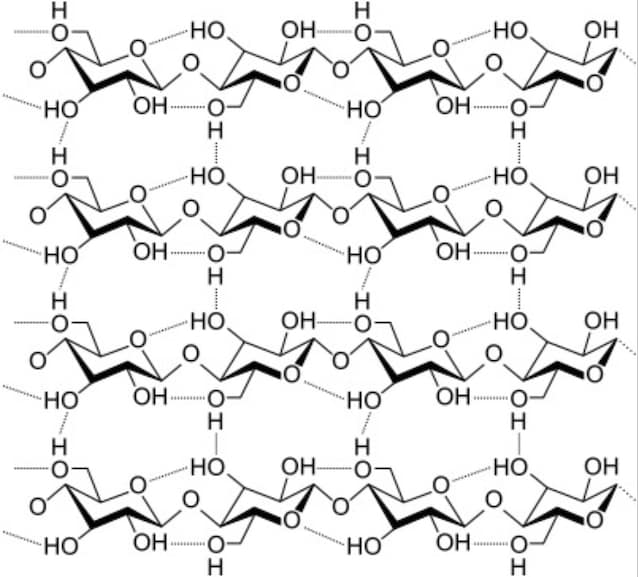
Not all paper is the same. Many cheap products they are obtained with mechanical processes that leave a significant quantity of in the pasta ligninanother polymer naturally present in tree wood. Lignin is chemically more reactive than cellulose: oxidizes more easily and produces colored compounds, accelerating yellowing. A higher lignin content is in fact associated with a less stability of the paper over timeexplaining why newspapers turn yellow in a few months, while books printed on higher quality paper remain clear for decades.
Not just oxygen: light and humidity
Oxygen in the air is the main “culprit” of yellowing paper, but it does not always act alone. If the paper is also exposed to sunlight, this can take part in photo-oxidation reactions That they accelerate the yellowing process due to the production of chromophores.
Parallel to the change in shade, during the aging of the paper can occur hydrolysis reactionsdue to the presence of water, as the name suggests. Air humidity leads to cleavages of cellulose bondswith loss of mechanical strength in addition to the color change. This phenomenon can be significantly accentuated by the presence of acids. Some types of paper may contain acid residues present in the sheets of paper themselves, especially the older ones, deriving from production processes or dye molecules, which locally lower the pH: the more acidic environment does nothing but accelerate hydrolysis of the cellulose bonds and consequently the weakening of the paper itself.
It is for this reason that in historical archives documents are stored in controlled environments: less light, less humidity. In essence, hold a book well to preserve its original appearance is not simply important, it is crucial.
