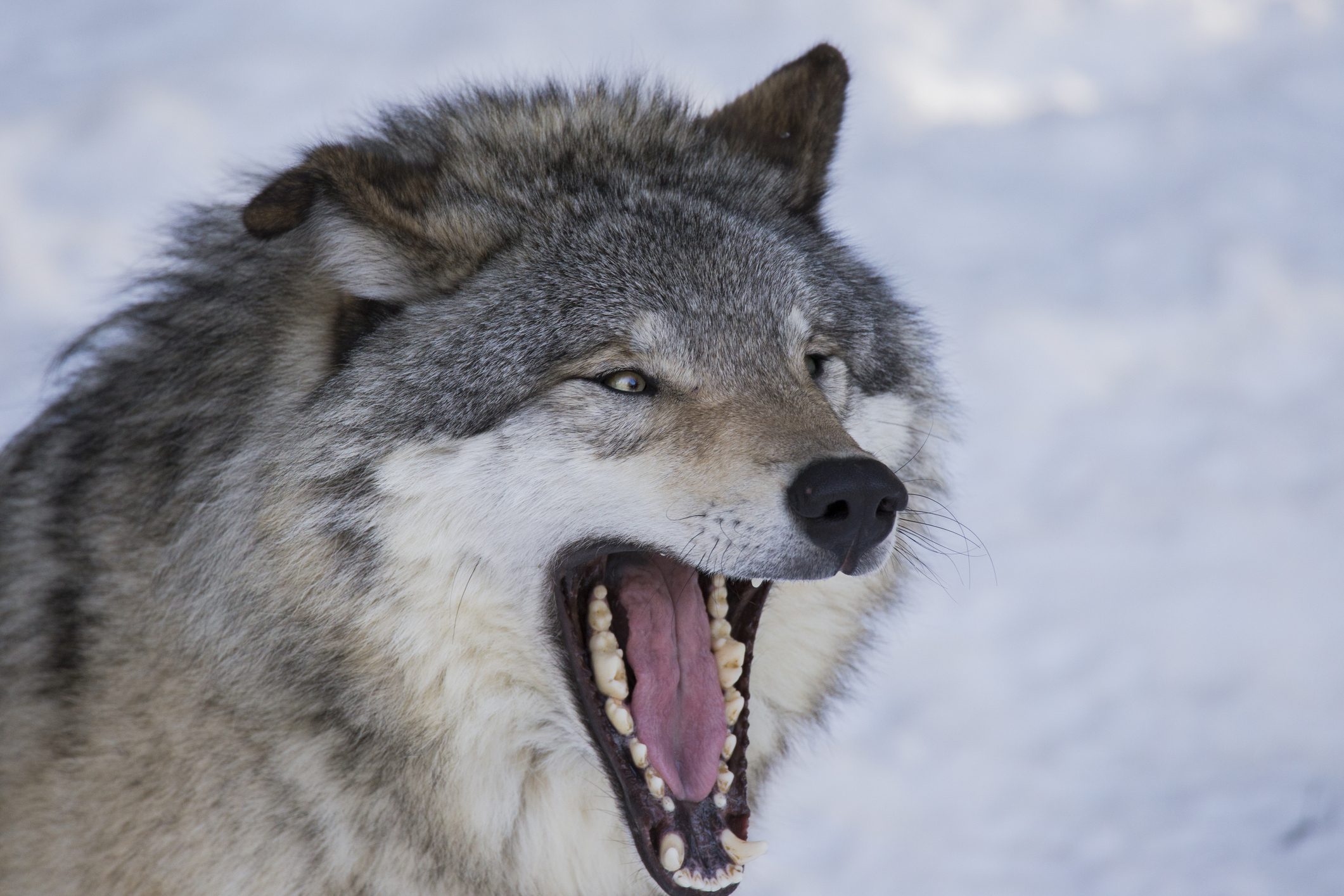
“Good luck” is the most common wish to say “good luck” for example before a competition, an interview or an exam, to which one replies “Crepe il wolf” or just “die” to make sure that fate is truly favorable. The origin of the saying it is uncertainbut the most plausible explanations connect it to the world of hunting, to maritime Venice and even to the Greek language. In the hunting context, wishing a hunter to end up “in the mouth of the wolf” meant symbolically evoke the danger to exorcise itwhile the response “you die” was a way to “kill” the risk itself. The wolf, in fairy tales and medieval tradition, in fact represented a threat and danger. Alternatively, in Venice the “mouth of the wolf” was there slot in which the ships left i loading documents: arriving there meant having concluded the journey safe and sound. Finally, some scholars connect the expression to the Greek “Émbaine álupon“, Meaning what “take a safe road“, to which the response was “Chrê” (“I need it”), which over time has become our “crepi!” or in the more modern version “Long live the wolf”. Today the saying remains alive as a symbolic wish, far from real dangers, but full of history and curiosity.
Origin in the world of hunting: a trouble-free expression
In ancient times, to tell a hunter “good luck” it was a paradoxical way of wishing him good luck, telling him exactly the opposite of what should have happened, with theapotropaic intent to evoke danger in order to exorcise it. The answer, in this case, was indeed “Cry the wolf”or “let the mortal danger that hangs over me die”. The wolf, in fact, according to tradition was danger symbol: we have examples of this since the fables of Aesop and then Phaedrus, up to La Fontaine, where the animal is usually represented as a sneaky and cruel predator. Even in the medieval tradition of the classic fairy tale of Little Red Riding Hood and in thehagiography of Saint Francis that tames the wolf that terrorized the city of Gubbio, the animal takes on the characteristics of evil. This aura of danger arises from the fact that wolves often attacked flocks and other animals on farms, and those who went through the woods – therefore travelers and hunters – could encounter them and be attacked.
Today the relationship between man and wolves has changed profoundly. We find fewer of them, and our daily lives are increasingly removed from their wild territories. Actually, the wolf does not seek conflict with man: it is a shy, intelligent animal that loves to retreat and move at night or in isolated areas. It only becomes truly dangerous if provoked or in extreme situations, such as hunger or illness. In the meantime, his presence remains precious: wolves keep ecosystems in balancecontrolling populations of deer and other herbivores and contributing to forest health. From a symbol of threat, the wolf today it has become an emblem of wild nature and respect for the animal world.
In Venice, arriving at the “mouth of the wolf” meant being safe
It is also said that the custom of saying “good luck” derives from Most Serene Republic of Venice: here the ships reached the port and had to deliver a tax report regarding the transported load, which had to be placed in a special container hole on the wall of the office in chargewhich was called “wolf’s mouth”precisely because of its slit shape. Even today, in fact, the expression “wolf’s mouth” refers to the air intakes, openings and ventilation spaces. Arriving at the “wolf’s mouth” therefore meant have reached the safe harbor and have the cargo with them to declare: there had been no losses or shipwrecks. Even today the wolf’s mouths are visible in Venice, witnesses of this curious expression which today has transformed into the famous wish.
The Greek expression that may have given rise to “Good luck”
Another possible origin of the way of saying “good luck” dates back to the ancient Greek language, with the expression “Émbaine álupon”which literally means “take a non-dangerous road” With this sentence he hoped for someone travel safelyto face life making wise and fortunate choices, away from danger. Over time, the pronunciation and meaning of the phrase have transformed: “Émbaine” gradually evolved into “in the mouth“, While “alupon” has become “wolf”, probably influenced by the widespread fear and distrust towards the animal, already a symbol of threat in folklore and popular culture.
The answer also had a precise meaning: the interlocutor responded “Chrê”that is to say “it is necessary” or “I need it”, thus confirming the desire to proceed on a safe path. In Italian, this response was translated with the famous “You die!”which today accompanies the superstitious wish as a form of symbolic protection against the risks and dangers of daily life.
