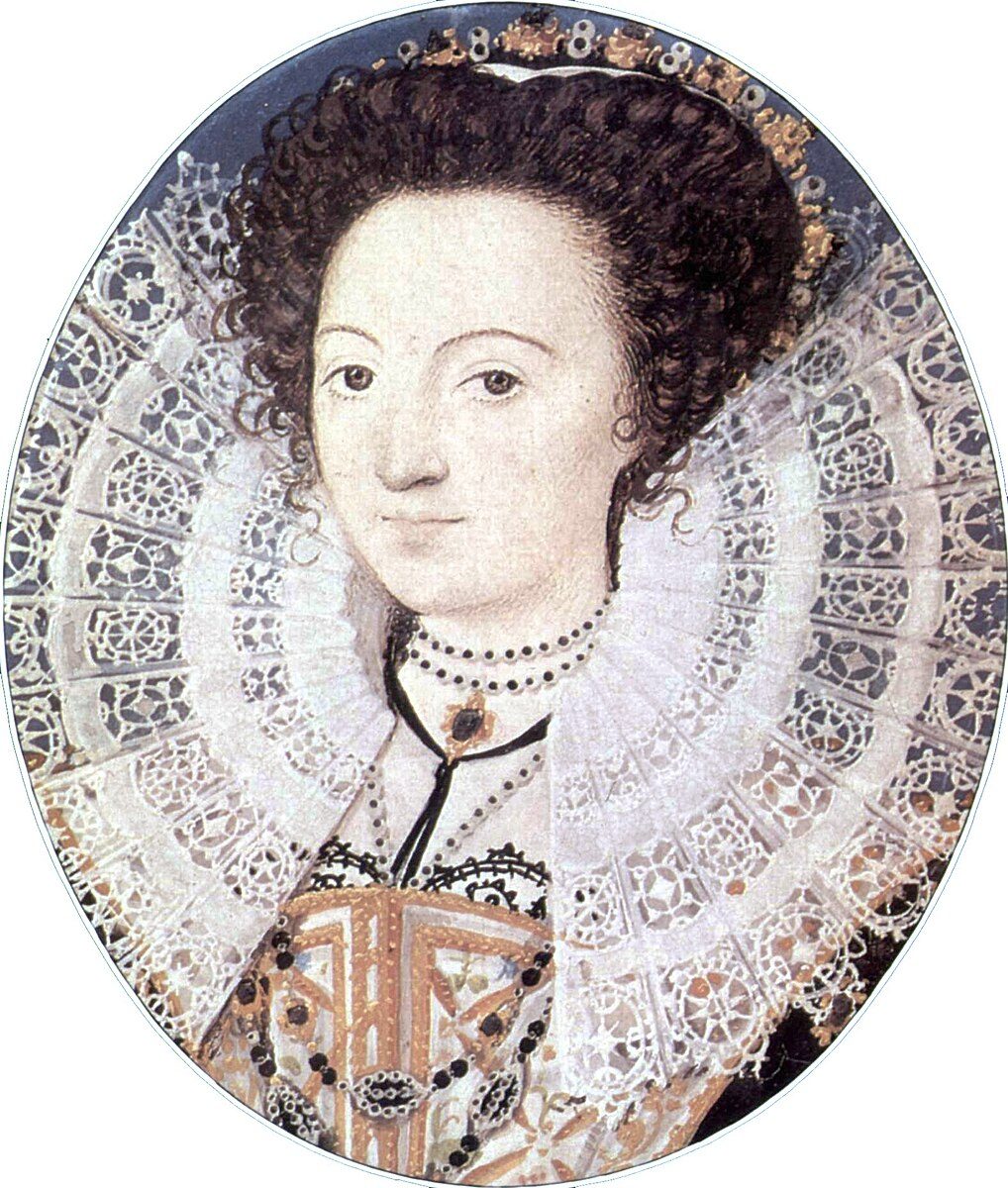
And if behind the greatest author of English theatrical works, William Shakespeare There was actually an English poet of Venetian origins, Emilia Bassano? This is the hypothesis of Elizabeth WinklerAmerican criticism, which in June 2019 published an article in the magazine The Atlanticentitled Was Shakespeare in Woman? And then a book on the same question. In support of the thesis, the fact that the Shakespearean heroines are many more than the heroes men, and represented with a truly impressive intensity and truthfulnessas only a woman would be able to do. It is possible, but certainly not that the lives of Emilia and William have crossed, so much so that some sources hypothesize instead that she is not “the real author”, but has inspired the compositions of the bard, and that it is the Dark lady sung in the Sonnets.
Who could have been Shakespeare and who was Emilia Bassano
Emilia Bassano He was born in London, daughter of musicians and craftsmen manufacturers of musical instruments of Venetian origin: his surname, in fact, derives from Bassano del Grappa. The father and uncles of Emilia, whose fame arrived in England, are invited to the queen court Elisabetta i To join the musical complex of flutes, arches and brass that played in the presence of the king. But the father dies when Emilia is small, and is then raised by the court lady Susan Bertiethe Countess of Kent, who greatly takes care of her education, and gives her a very refined humanistic, musical and artistic formation. Emilia grows in court, and becomes a lover of Lord Henry CareyBaron of Hudson, cousin of the Queen, Gran Ciambellano of the Kingdom and Impresario of the Theater Company Tea Chamberlain’s Playerswhose works are written by William Shakespeare. On this occasion, it is assumed that Emilia has become the lover of the playwright. Furthermore, the woman’s biographical sources report that, remained pregnant, she then married her cousin, Alfonso Lanier. In 1611, Emilia published the collection Hi Deus Rex Judaeorumwhere he rereads some biblical steps by focusing his attention on the role of the woman, and insists on being recognized with the title of “poet”which however was not officially conferred on women.
Because you think Shakespeare may have been a woman named Emilia Bassano
The clues that connect Emilia Bassano to the production of Shakespeare are many and start from a simple fact: the biographical gaps of the bard on the real writing of the works are enormous. William sets numerous texts in Italy, without ever setting foot; Emilia not even, but her family is Italian and she grows in court, receiving a refined education that emerges in her verses. In the Shakespearean dramas, then, the female figures They have an unusual depth for the time: no passive appearances, but women who challenge fathers and husbands, disguise themselves as men, guide armies, deceive, kill and chase freedom. Not surprisingly, the critic John Ruskin He wrote: “Shakespeare has no heroes, he has only heroines». But in England Elisabettiana the contribution of women was kept in the shade: they did not write officially, yet they were patrons, shareholders of theatrical companies, even in charge of the ticket office. In the 16th century beyond the80% of the theatrical works was anonymous: Is it possible that behind that anonymity there were also authors, like Emilia? The scholar John Hudson He claims that Bassano has left clues In the texts: characters called Emilia in Otello, Bassanio in the merchant of Venice, Aemilius and Bassianus in Tito Andronico. It is only a hypothesis, of course, but to give it the strength are authoritative voices: the former director of the Globe Theater and the professor of Yale David Scott Kastan They both invite to study his life and his work to better understand the mystery of Shakespeare, whatever the truth was.
The doubts about the real paternity of Shakespeare’s works
It is not a recent provocation: for critical centuries, scholars and even artists are wondered if behind the works of Shakespeare There was really that William by Stratford Upon Avon. Biographies tell him as an actor, impresario and even champion, but never as a writer: a detail that feeds doubts. From Freud to Chaplinfrom Henry James to Walt Whitmanmany hypothesized that figures like figures could be hidden behind the “bard” Christopher Marlowe, Francis Baconthe count of Oxford Edward De Vereor even the Italian Michelangelo Florio. Still, none of them had reason to hide their identity. The case of Emilia Bassano: cultured and rebellious poet, he could publish verses but not to write for the theater, forbidden to women. If she were the hidden author, she would have had all the reasons to stay in the shadows.
