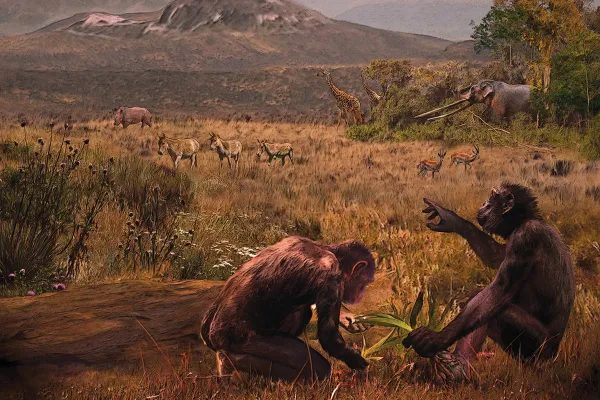
A new scientific publication on a hominid lived in Balkans about 7 million years ago He’s making a lot of noise about himself. For decades the origin of the human evolutionary line has been placed in Africa. The oldest fossils of the hominini (there evolutionary tribe that includes our species, Homo sapiensand ours family members closest, that is Pan troglodytesThe chimpanzeeAnd Pan paniscusThe bonobos) in fact come from central-eastern Africa. In recent years, however, some European discoveries have reignited the debate.
The main protagonist of this is Graecopithecus freybergia primate that lived about 7.2 million years ago in the Balkans. The species has been known since very few remains: one jaw found near Athens in the 1940s and some teeth discovered in Bulgaria. In 2017 some researchers suggested that could belong to the evolutionary line of homininion the basis of a dental characteristicor the fusion of the roots of the premolars, rare in modern great apes but present in humans. Given the great antiquity of Graecopithecussome scholars therefore argue that our ancestors moved from Europe to Africaand therefore the hominini are native to Eurasia.
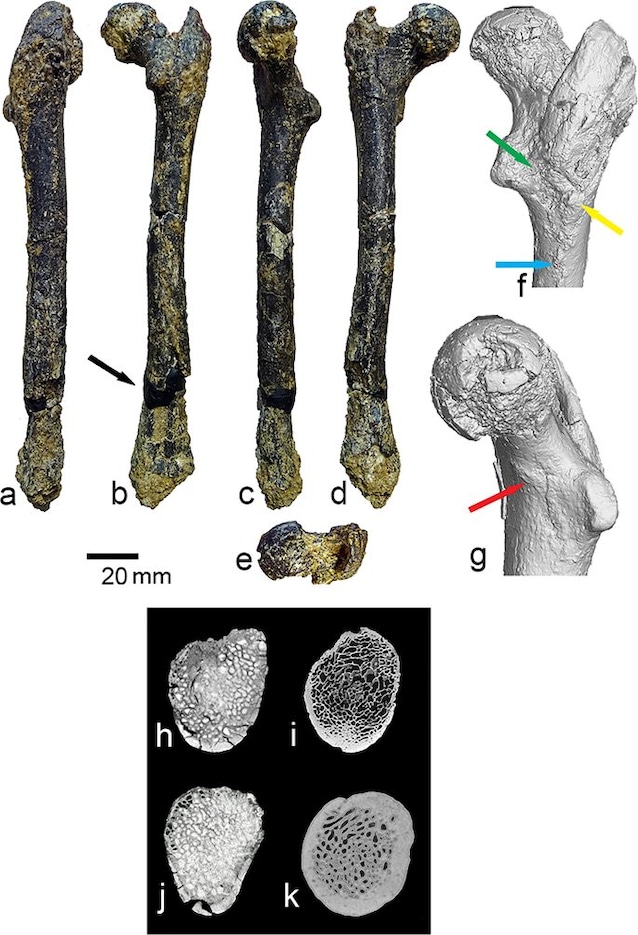
The proposal remained controversialespecially because it relied on a lot of fossils fragmentary. In 2026, however, a new finding was described: a femur coming from the site Azmakain Bulgaria, attributed to Graecopithecus. According to the authors of the study, whose leader is the Bulgarian researcher Nikolai Spassov, some characteristics of the bone as the shape of the femoral neck and muscular attachments would suggest that this species had been capable of support part of the body weight on the hind limbsperhaps with a primitive form of bipedal locomotion.
If this interpretation is correct, bipedalism could have origins older and geographically more complex than previously thought. However, most paleoanthropologists remain skeptical: a single femur is not enough to demonstrate that Graecopithecus it was really a hominino. The fossil remains of this species are too fragmentary to demonstrate its kinship with us, chimpanzees and bonobos. Also in Europe Miocene (between 23 and 7 million years ago) lived numerous species of primatesand several fossil finds suggest that some of these had autonomously developed primordial forms of bipedal locomotionas is also evident in several modern species of monkeys less related to ours, such as gibbons.
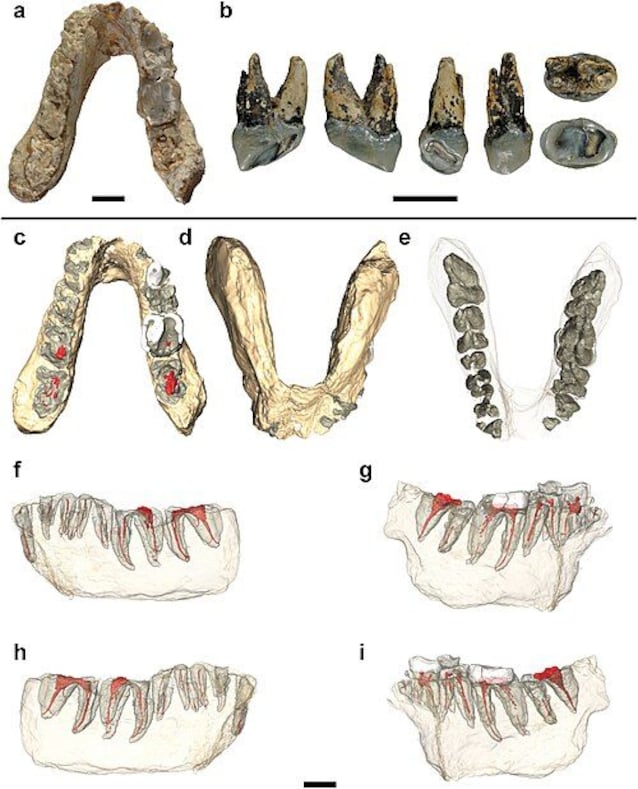
In 2019 it was described Danuvius guggenmosia great ape who lived approximately 11.6 million years ago in Germany. Unlike Graecopithecus, Danuvius is known from a relatively skeleton complete. Its bones suggest a type of locomotion in which the hind legs could support weight as the animal moved between branches, a posture surprisingly similar to that required by bipedalism. This discovery has led some researchers to hypothesize that some elements of bipedalism may have evolved in trees and long before the appearance of hominini Africans. In this scenario, Graecopithecus it could represent one of the last Eurasian primates that retained these characteristics.
Despite these hypotheses, the scientific community remains prudent. The oldest African fossils attributed with certainty to hominini I’m a lot more numerous and better preservedand continue to support the idea of aAfrican origin of our evolutionary line. More than rewriting the history of humanity, Graecopithecus And Danuvius they remember how much the record fossil is still incomplete. With so few remains, each new discovery can radically change our interpretation of human origins.
