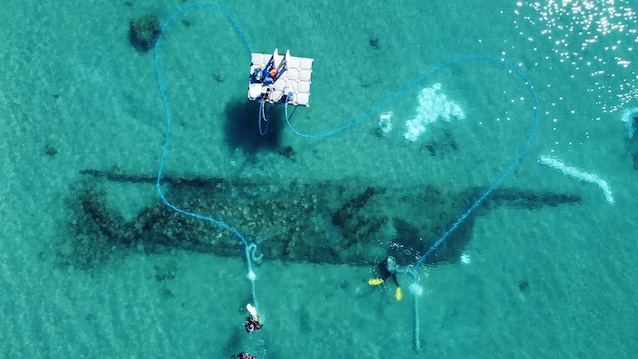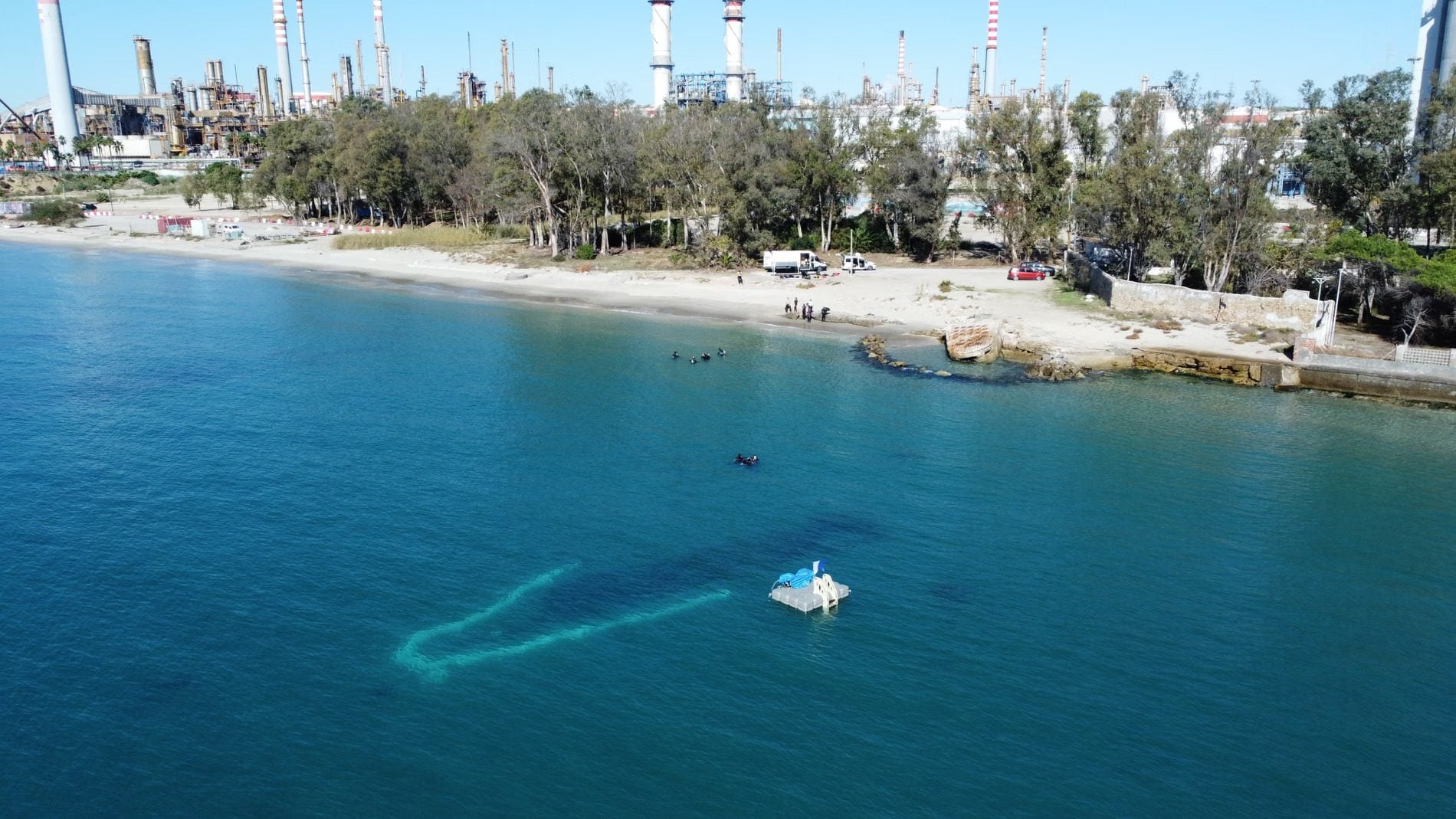
In the Bay of Gibraltar (also called Algeciras Bay) have been identified 151 new archaeological sites divers, with 34 wrecks documented in detail and covering a chronological period from the 5th century BC to the 20th century AD The discovery – result of Herakles Project conducted by researchers from the University of Cadiz between May 2020 and March 2023 – also made it possible to identify the wrecks of Roman, medieval and modern ships.
Until 2019, the Bay of Gibraltar was almost unexplored from an archaeological point of view: gods 125 archaeological sites registered in the area, only four were found underwater. And of these, only one was a wreck: the wreck of the Dancera vessel of 17th century with Italian ceramics on board. The rest of the bay floor, one of the busiest seaports of the planet since ancient times, was unknown from an archaeological point of view. No one had studied it systematically since the mid-1980s.
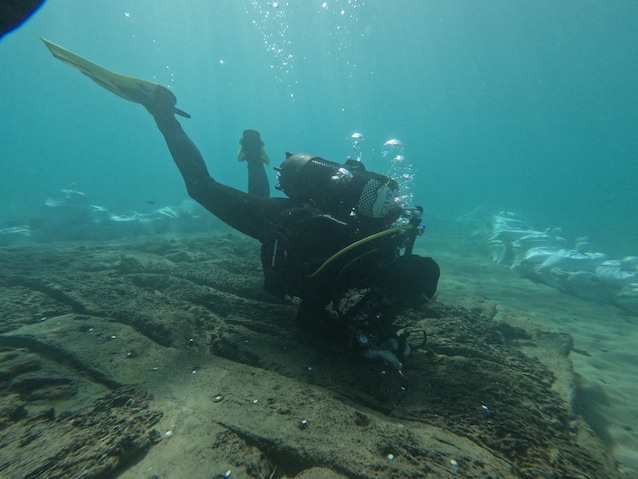
The most significant element from a methodological point of view is that the vast majority of the findings were found less than ten meters deepwith some directly reachable from the shore. In the first diving campaign, in just three weeks, they were 17 new sites identified. In the following months, operating without the need for a support vessel and at depths between four and eight metres, the team located over 80 exposed sites on the seabed.
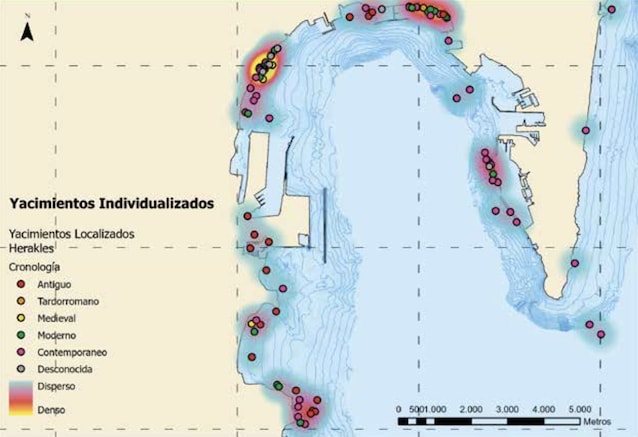
The abundance of remains required a selective strategy: documenting as much as possible in the minimum time and with the minimum impact. At the end of the fieldwork phase, the overall balance was 151 sites: 124 classified as wrecks, 7 anchor points And 20 isolated objectssuch as anchors, ceramic fragments, elements of nautical equipment. Of all these, 34 wrecks they were documented with detailed techniques: underwater photogrammetry, 360° video, three-dimensional models and digital floor plans. Only in one of the 151 sites was it deemed necessary to carry out one excavationopting for a generally least invasive strategy possible.
The catalog of wrecks found in the bay of Algeciras covers almost the entire history of navigation in the Strait of Gibraltar. The oldest has been named Timoncillo Idated to 5th century BCin full Punic era. Alongside it, six other sites from the same period confirm that the bay was an active naval transit space long before the arrival of Roman rule. Ships follow Roman, medieval, Renaissance, modern And contemporaryincluding British, Spanish, Venetian and Dutch vessels.
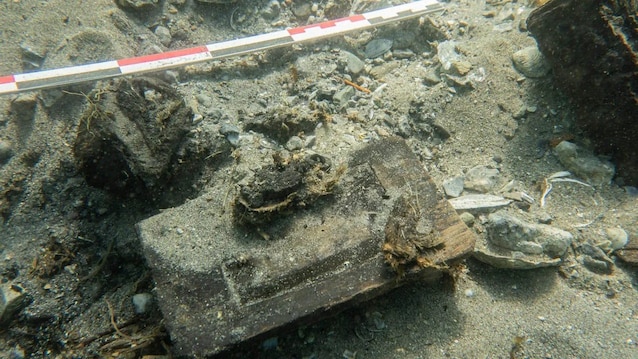
Among the most interesting findings is the gunboat Puente Mayorga IVa small warship Spanish of the late 18th century. It’s a type of light vesseldesigned for rapid maneuvers: it approached enemy ships approxmoldy like a fishing vesselthen revealed its identity by opening fire with the cannons mounted on the bow. Inside the wreck was found a wooden box in the shape of a bookinitially interpreted as a possible container for confidential documents. Close examination made it clear that it contained two wooden combs.
The researchers also reported concrete risks for heritage conservation. In fact, almost half of the sites surveyed require urgent protection. The anchors of large container ships that frequent the port are dragged to the seabed during manoeuvres, with potentially destructive effects on remains found in the bay. Added to this is the diffusion ofinvasive algae Rugulopteryx okamuraewhich is covering the seabed and accelerating the degradation of materials. Fortunately, a new project aimed exclusively at the conservation of underwater heritage has recently been presented.