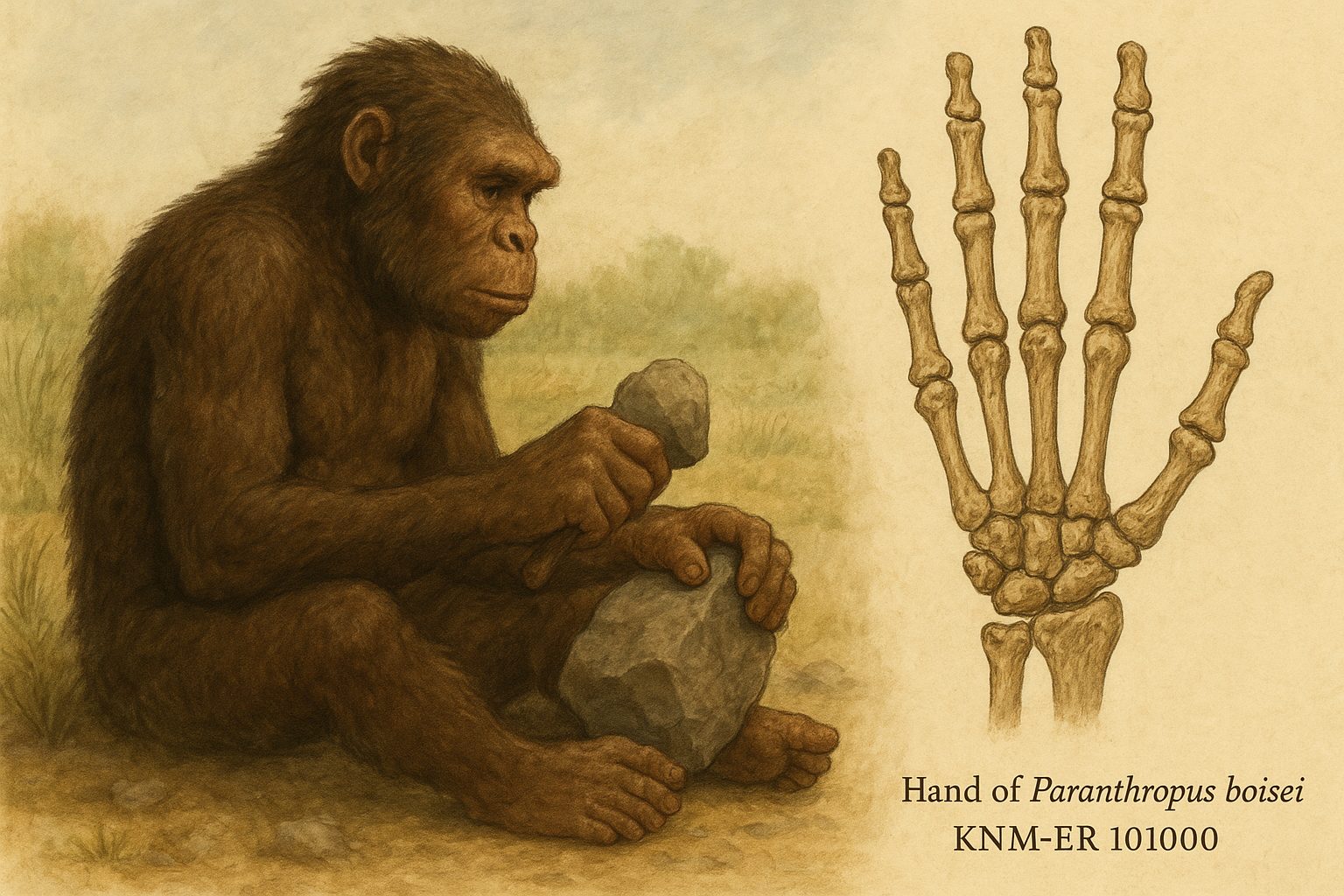
Someone species of hominidsa family of primates dating back to the early Miocene, which lived in East Africa about 1.5 million years ago they could use tools with their hands, reports a new study recently published on Nature by researchers at Stony Brook University. This is a question that has been debated at length until today, because the fossils known until now did not allow the precise reconstruction of theanatomy of the hands of these our ancestors. But the recent discovery of new fossil remains reshuffles the cards on the table, allowing us to understand theevolution of the hands.
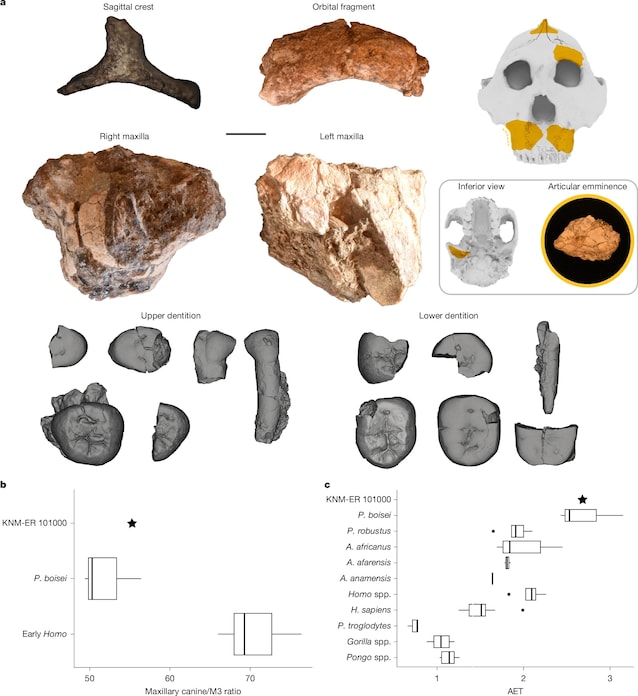
During the excavation campaign (2019-2021) carried out by an American research group led by Carrie Mongle on the banks of the Turkana lakein Kenyawere found i fossil remains of an individual of Paranthropus boiseia kind of hominid lived between 2.6 and 1.2 million years ago. The genre Paranthropus (from Greek, meaning “next to man”) was a genus of hominids that lived together with gender Australopithecus (from which our species probably derives) for a certain period of time, constituting a sort of parallel evolutionary line which became extinct around 1 million years ago. The individual, lived about 1.5 million years ago and named KNM-ER 101000presents the bones of the hands and feet very well preservedallowing scholars to precisely observe theanatomy of the limbsdebated up to now.
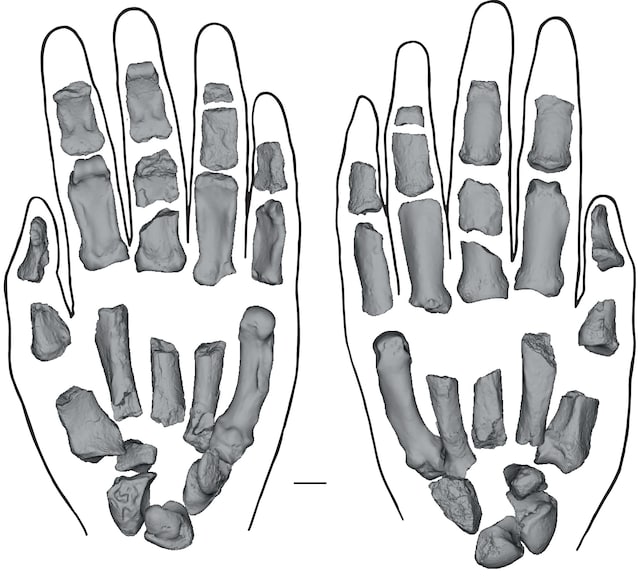
There morphology of the hands Of Paranthropus boisei suggests that in fact these already occurred a lot similar to those of subsequent hominid species. The proportion between the length of the thumb and the size of the hand is already basic “human“, and its anatomical conformation suggests how in theory could have allowed challenge something, even if not in a stable and precise way like we do. However, there are also substantial differences. Some features of the hand resemble those of the gorillawhich they suggest as probably Paranthropus boisei it was a good one tree climber.
The study of the conformation of the was also particularly important foot bones, in fact, it has been demonstrated that the foot had already morphologically adapted to abipedal gaitwhich did not necessarily preclude the possibility of being able to climb trees.
