On February 12, 2026, a new film adaptation of Wuthering Heights (Wuthering Heights) starring Jacob Elordi and Margot Robbie, bringing attention back to one of the most intense novels of the English nineteenth century. Written by Emily Bronte and published in 1847, the novel is one of the most representative of Victorian literature and tells about extreme passions, set in windswept landscapes.
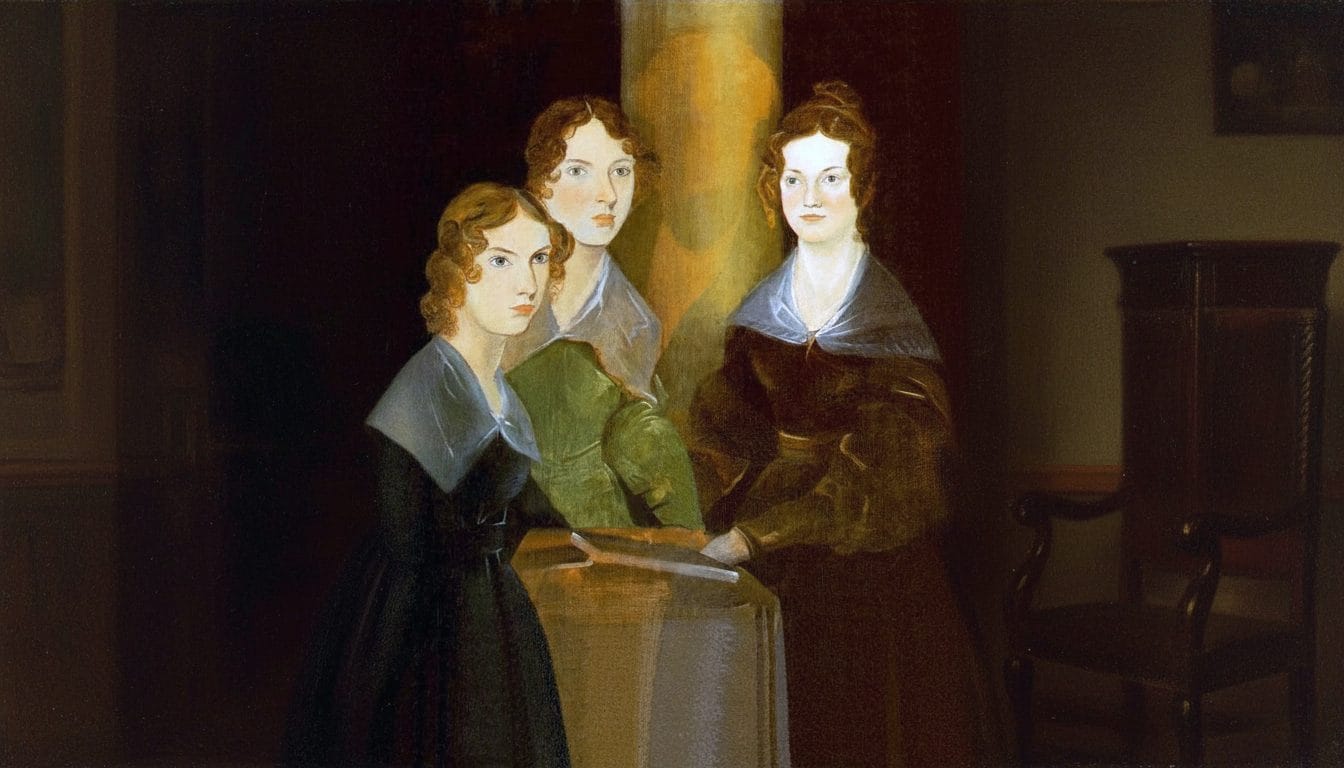
But Wuthering Heights it is only part of a larger literary story. Emily, along with her sisters Charlotte and Annegave Victorian literature some of its most enduring novels in the space of a few years: Jane Eyre (by Charlotte, 1847), Agnes Grey (by Anne, 1847), The Lady of Wildfell Hall (by Anne, 1848). Three women, raised in Yorkshire, who wrote against their time and often against themselvesleaving an inheritance disproportionate to the brevity of their lives.
The story of the Brontë sisters: Charlotte, Emily and Anne
Charlotte, Emily and Anne Brontë were born between 1816 and 1820 and grew up in the north of England, in Yorkshirein a an isolated environment marked very early by pain. They lost their mother and two older sisters when they were still children. Father Patrick, an Anglican pastor, remained the only point of reference and encouraged their education, allowing them to read, write and cultivate their imagination.
Together with brother Branwellthe sisters created complex imaginary worlds from a very young age, such as Angria and Gondal, which they filled with stories, poems and characters, written in tiny handmade booklets. Those inventions were not just children’s games, but real narrative gyms. When they decided to publish, they chose male pseudonyms — Currer, Ellis and Acton Bell — to circumvent prejudice that affected female writers. In a few years, despite illnesses, economic difficulties and short lives, they managed to leave seven novels which today are a stable part of the European literary canon.
Plot and characters of Wuthering Heights: Emily Brontë’s “scandalous” novel
Published in 1847 under the pseudonym of Ellis Bell, Wuthering Heights is Emily Brontë’s only novel. Set on the Yorkshire moors, it tells the story of Heathcliff and Catherine Earnshawraised together in an isolated house, Wuthering Heights (“Wuthering Heights” in the Italian translation) surrounded by wind, mud and silence. Their bond begins as something absolute and instinctive but deforms over time, clashing with social rules, money and resentment. After the humiliation suffered by Catherine’s brother, Heathcliff disappears and returns years later rich and animated by a desire for revenge that overwhelms several generations.
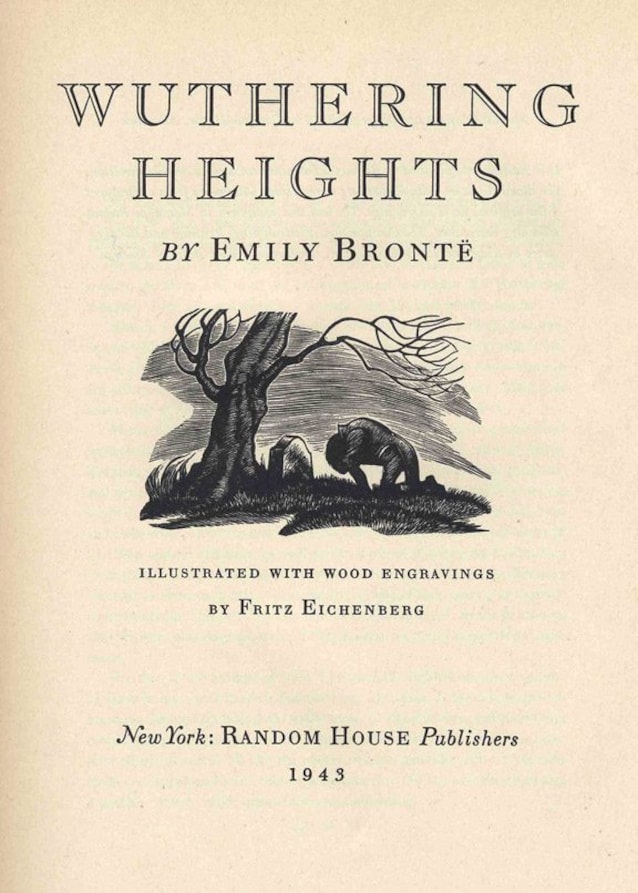
In fact, the narrative extends to the children and young heirs of the two families, showing how hatred and unresolved love can spread over time. Upon his exit, the novel was deemed violent and disturbingbut today it is read as a radical reflection on passion, on the rigidity of social classes and on the destructive force of emotional bonds when they become all-encompassing.
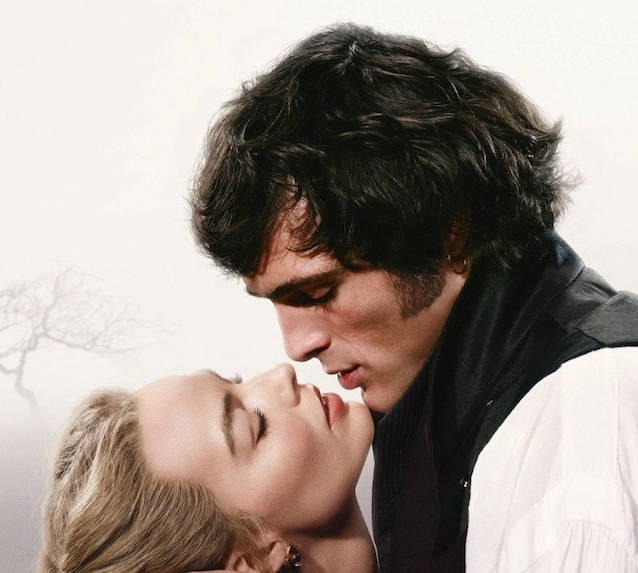
The story of Catherine and Heathcliff has become a cultto the point of inspiring not only numerous film adaptations, but also musical pieces, such as that of Kate Bush.
Emily Brontë: a single work, a literary myth
Emily Bronte was born in 1818 and lived almost always in Haworth, deeply connected to the moors surrounding the village. Era the shyest of the sistersnot inclined to social life and intolerant of conventions. He worked for a short time as a teacher, but soon returned home, where he found writing and poetry a form of personal freedom. In 1846 he published the collection together with Charlotte and Anne Poems by Currer, Ellis and Acton Bell. His poems, intense and sparse, are still there today considered among the most original of English romanticismfor the way they intertwine nature, solitude and spiritual tension. Emily died in 1848, aged just thirty probably of tuberculosis shortly after the death of his brother Branwell. He left only one novel, but enough to build a lasting literary myth.
Charlotte Brontë: Jane Eyre and the other novels
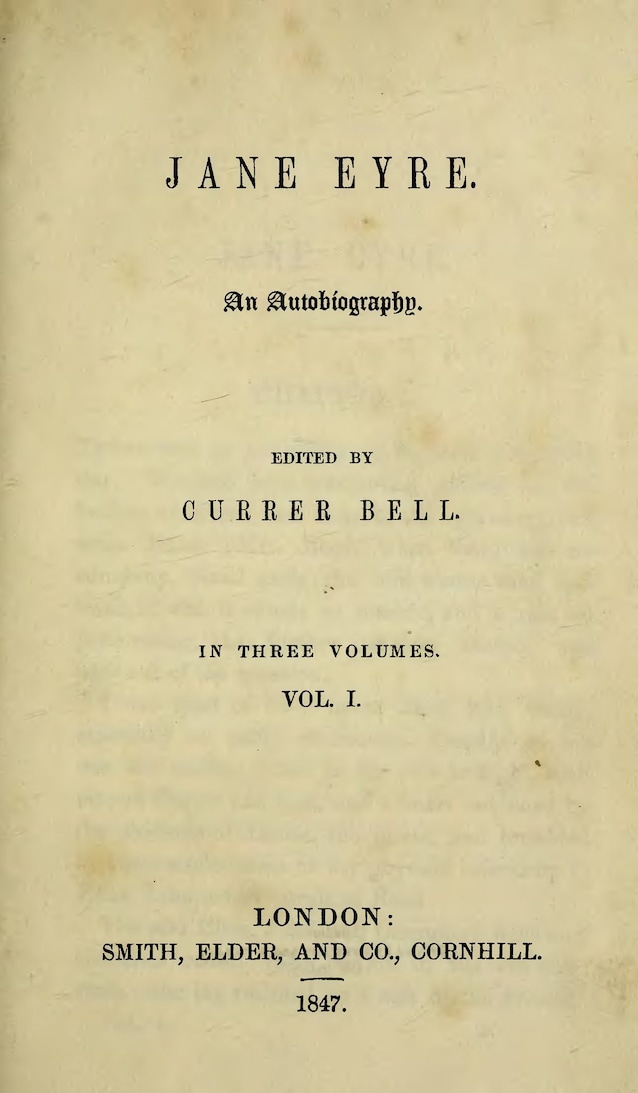
Charlotte Bronteborn in 1816, was the longest-lived sister and the one with the most extensive narrative production. She also lived in Haworth, in an isolated but intellectually stimulating environment. After difficult experiences as a governess and the failed attempt to open a schooldecided to dedicate himself entirely to writing, signing himself Currer Bell. Jane Eyrepublished in 1847, is her most famous novel: it tells the story of the growth of an orphan from a poor family who, through pain and discipline, achieves a moral and economic independence rare for a woman of the time. The love story with Mr. Rochester does not erase the central theme of the novel: a woman’s right to be respected without giving up one’s dignity. Also Jane Eyre knows a long cinematic fortunethere are numerous adaptations of the novel.
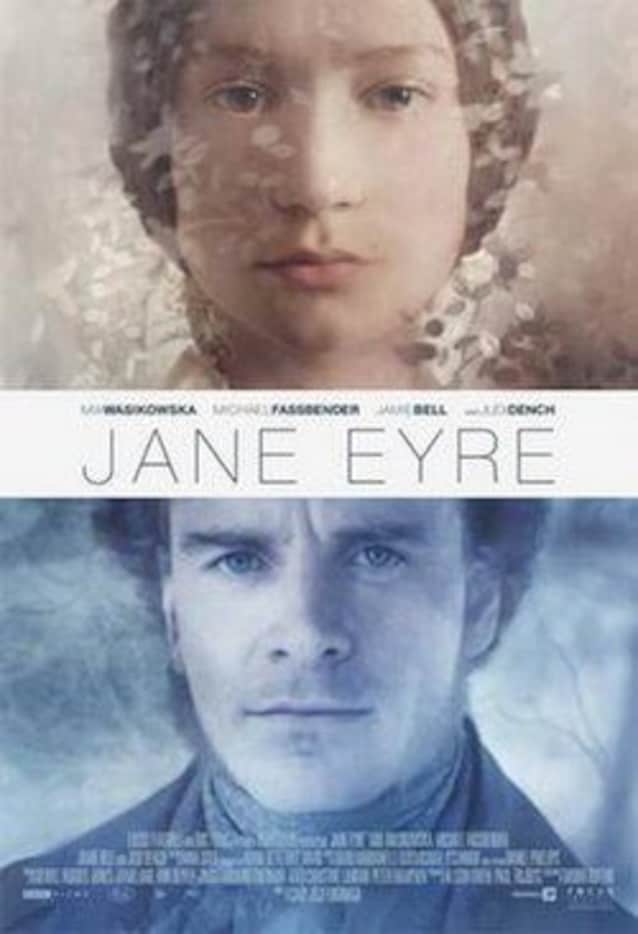
In the following years Charlotte published Shirleyset in industrial Yorkshire and riddled with social tensions; Villasa more intimate and melancholic novel inspired by the Belgian experience; And The Professorreleased posthumously, which tells the story of the training of a young English teacher abroad.
Anne Brontë: Agnes Grey And The Lady of Wildfell Hall
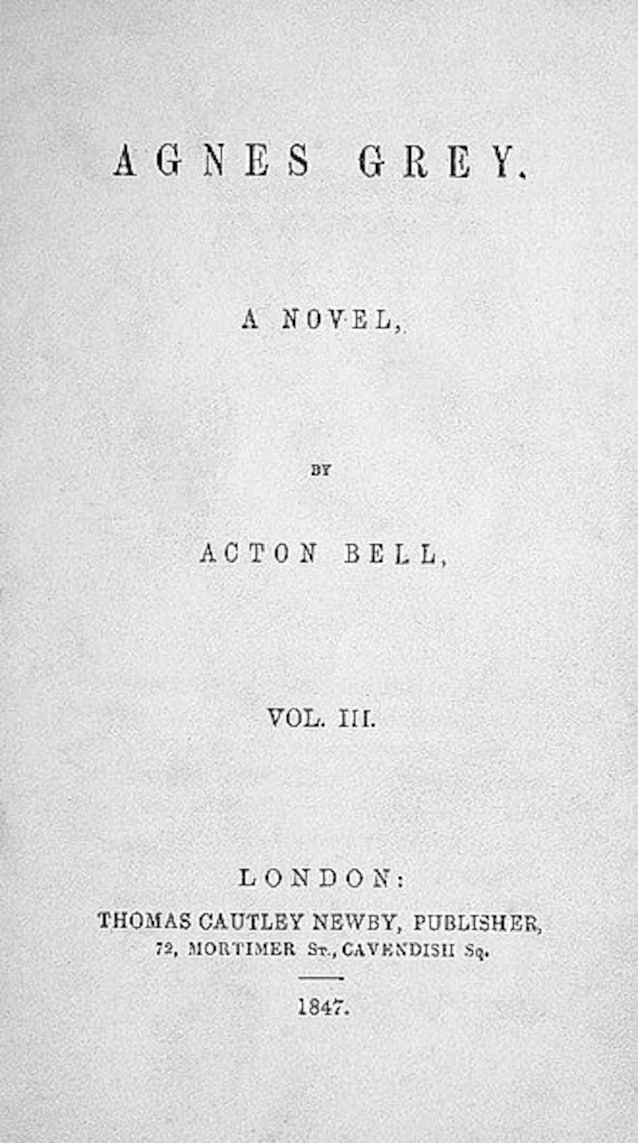
Anne Brontë, the youngest, was born in 1820 and worked for a long time as housekeeper for wealthy familiesan experience that profoundly influenced his writing. Published with the pseudonym Acton Bell and brought to her novels a lucid and realistic look at social inequalities and the female condition. Agnes Grey tells the life of a young governess dealing with rich but morally fragile families, accurately portraying the loneliness and frustration of a woman forced to live in a subordinate position. With The Lady of Wildfell Hall Anne took an even bolder step: the protagonist escapes from a violent, alcoholic husband, protects her son and reinvents herself as a painter. The novel addresses themes such as abuse, alcoholism and the right to female self-determinationresulting surprisingly modern and still relevant today.
The Brontë sisters lived short, wrote in a hostile time, and often paid a heavy price for their sensitivity. Yet, from the Yorkshire moors they managed to change forever the way of describing love, freedom and the voice of women in Western literature.
