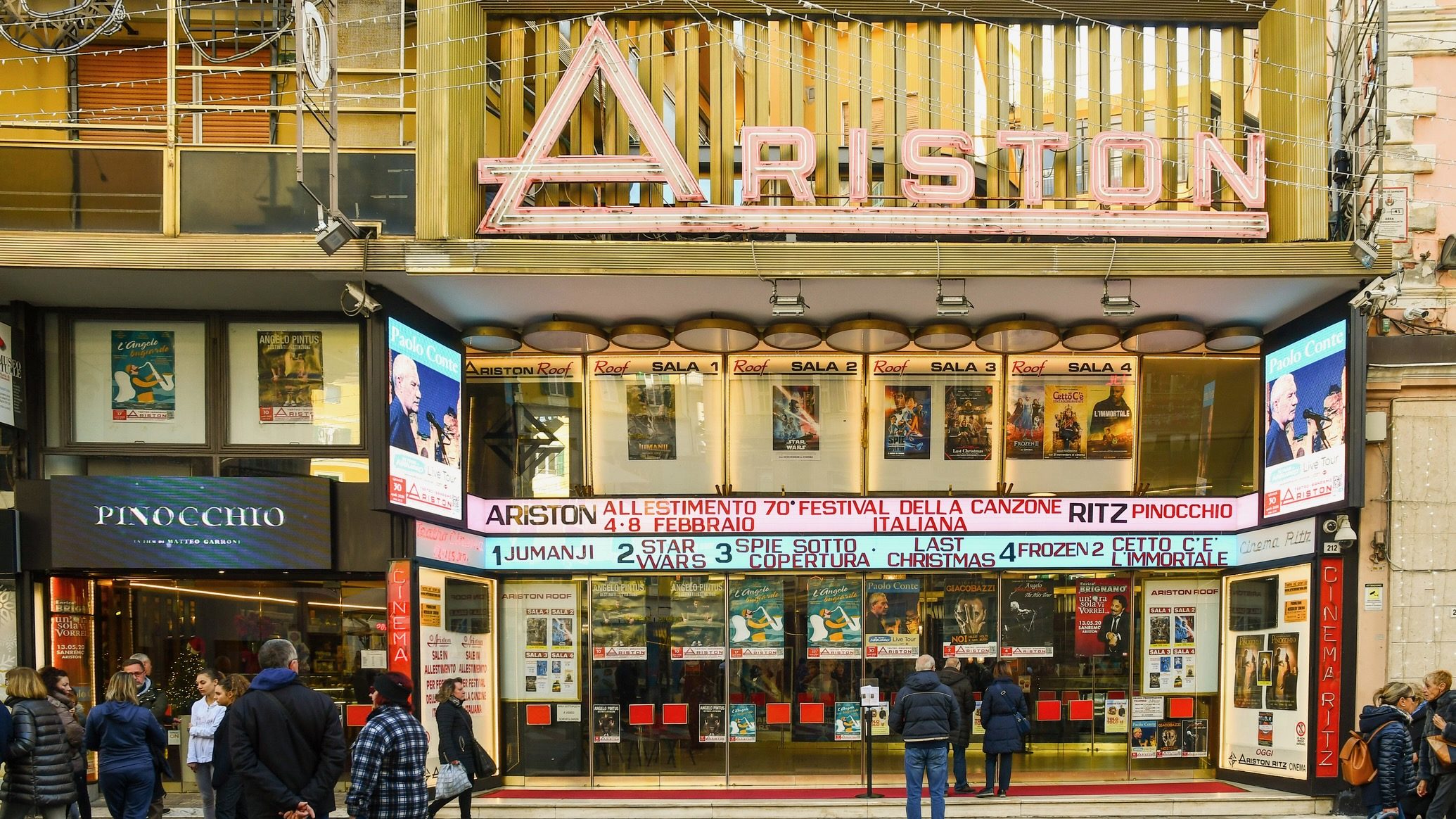
The Sanremo Festival, officially Italian song festivalis the longest-running television singing competition in the world and an icon of Italian tradition, born in the context of the social and cultural changes that affected Italy in the 1950s. Initially held in Casino of Sanremo (and from 1977 in Ariston Theatre), a Ligurian town in the province of Imperia which at the time was looking for a way to revive tourism and attract customers after the Second World War, saw its first edition 75 years agoThe January 29, 1951a few years before the advent of television in Italy. The Festival became televised from 1955becoming over the years the most important Italian musical event. Over the years the Festival has undergone profound changesboth on an organizational and content level.
THE’2026 edition of the Sanremo Festival will be held from Tuesday 24 February to Saturday 28 February and will be hosted by Carlo Conti.
HISTORY OF THE SANREMO FESTIVAL
The Casino and the events before the Sanremo Festival
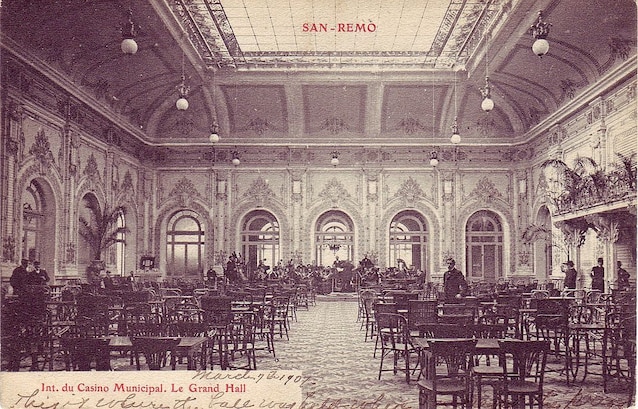
The institution of the Festival is linked to the presence in Sanremo of Casinofounded at the beginning of the 20th century and officially recognized as a gaming hall in 1927. From the early years, the Casino organized concerts, dance parties and theatrical performances, as was foreseen by the contract stipulated in January 1928 between the municipality of Sanremo and the entrepreneur Luigi De Santis, owner of the Società Anonima Municipale Casino Sanremo. The events were attended by middle classes and high societybecause a large part of the population could not afford to participate. However, the media first of all radio, which established itself on a large scale in the 1930s, they carried national fashions throughout the countrylike music.
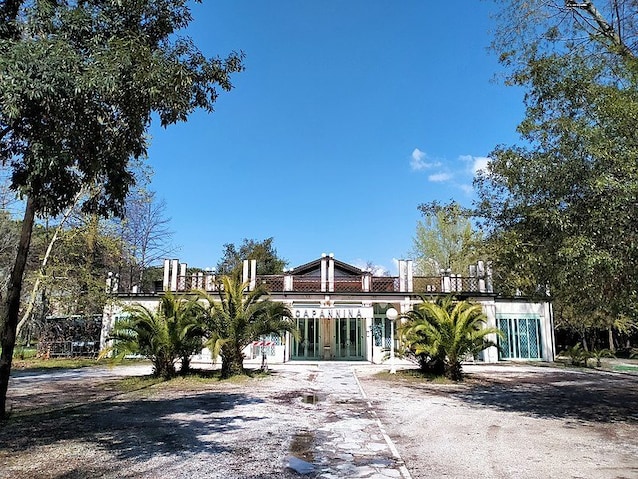
The direct “predecessor” of the Sanremo Festival was one Neapolitan music festivalThe Neapolitan festival of songs, traditions and customsorganized on the initiative of De Santis in the Casino party room from 24 December 1931 to 1 January 1932. The initiative was not repeated, but remained in the memory of the people of Sanremo. Among the spectators there was a floriculturist, Amilcare Rambaldiwho after the Second World War became part of the commission responsible for relaunching the Casino. Rambaldi thought of taking up the idea of the music festival again and in 1947 he submitted the proposal to a radio host, Angelo Nice. Sanremo, however, was beaten to the punch by Viareggio. In 1948 the first Italian Song Festival was organized in the Tuscan town, a summer event that was supposed to “accompany” the bathing season. The Viareggio Festival was also held in 1949, but was then suspended due to lack of funds.
The birth of the Italian Song Festival: who “invented” it
From Viareggio, the Festival moved to Sanremo. In 1948 a tender entrusted the management of the Casino to Pier Busseti, a Lombard entrepreneur who had attended the Viareggio Festival. Busseti thought of bringing the event to Sanremo as part of a broader tourist strategy, aimed at relaunching the casino and the city. The entrepreneur submitted his idea to Rambaldi, Nice and ad Angelo Amatodirector of the Casino. The group decided to organize the event in the winter, with the aim of increasing tourism in a season in which it was little present, and found an agreement with Rai for the radio broadcast of the event.
The first edition was held in January 1951. The Festival, however, was very different from the current one. The event took place in the Casino hall, occupied by tables at which customers chatted, often taking no interest in the music. Furthermore, although the rule of presenting only was already in force then unreleased songs, the regulation provided that few singers performed all the songs. At the first edition of the Sanremo Festival only three performers sang (Nilla Pizzi, the Fasano Duo and Achille Togliani), who attempted to perform twenty songs. The management was entrusted to Nunzio Filogamoa famous radio presenter, known for the greeting “dear friends near and far” that he addressed to listeners. She was the winner of the first Sanremo Festival Nilla Pizzi with the song Thanks for the flowers.
The Festival in a changing Italy: television and success
Although the first edition had a limited impact, the Festival appeared promising. The 1950s, in fact, were the period of the economic miraclethat is, a phase of socio-cultural growth and modernization, which brought Italians closer to national and “modern” events, such as music festivals, to a greater extent than in the past. Over the course of the decade, it is no coincidence that singing festivals were established in various Italian cities.
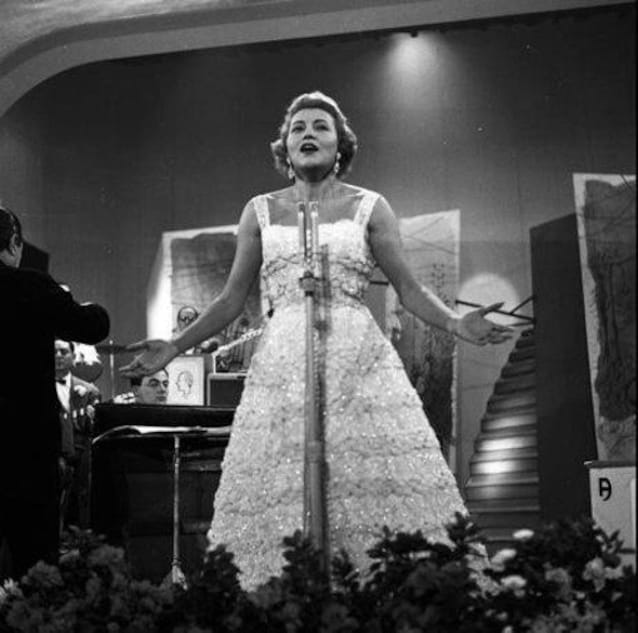
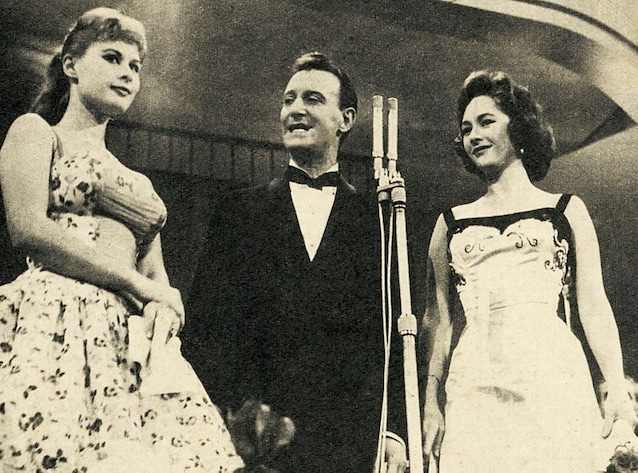
The Sanremo Festival also met with greater success, above all because it allied itself with a medium destined for great success: television. As we know, in Italy the television era began in January 1954when Rai established the National Program (became Raiuno in 1983). The following year Rai broadcast the Festival live on television for the first time. The success was immediate. Television, in fact, reached an ever-increasing number of people: in the first years after the start of broadcasts only a few families owned it, but people they gathered in bars and clubs to follow the most popular programs, including the Sanremo Festival. The event was one of the symbols of an Italy that, from a predominantly peasant society, was on its way to becoming a modern society. Thanks to the means of communication, pop music spread to a greater extent and many songs presented at the Festival achieved great commercial success, entering the collective imagination of the country.
The success of the Festival is also demonstrated by the fact that in 1956 it served as a model for the establishment ofEurovision Song Contest, the event organized by the European Radio Union and still exists.
The evolution of the Festival until 2026
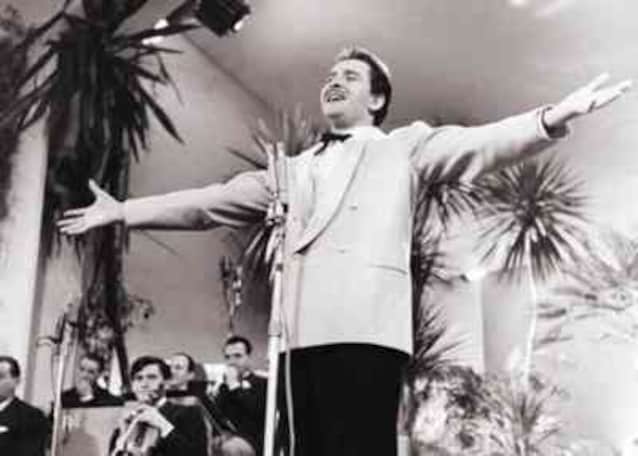
Over the years, the Festival has followed the evolution of the Italian mentality and society. The songs presented in the first editions were placed within the framework of “traditional” morality, but already towards the end of the 1950s they established themselves lighter songs (Poppies and ducks, In the blue painted blue). In the following decade, new musical genres arrived (such as rock, introduced in 1961 with 24,000 kisses by Adriano Celentano and Petrol and Cerini by Giorgio Gaber) and new singers (the “screamers“, according to the definition of the time, including Mina and the aforementioned Celentano) and the first songs that focused on political-social issues (as Proposal of the Giants). However, the “light” songs have always prevailed, which are still the most present and most awarded today.
The rules have also changed over the years. One of the most significant changes was introduced in 1968, when it was established that each performer can perform only one song. The location has also changed: since 1977 the Festival has moved to Ariston Theatre. Rai continued to follow the event and became its main organizer, although for some years (1963-80) it did not broadcast the entire event, but only the final evening.
The 2026 edition of the Sanremo Festival will be held from 24 to 28 February and will be hosted by Carlo Conti (who is also its artistic director), accompanied by various figures including Irina Shayk and Gianluca Gazzoli. Thirty artists will alternate on stage for the section Champions (including Fedez and Masini and Luchè) and four New proposals (including Angelica Bove). Among the guests Max Pezzali, Bianca Balti and Eros Ramazzotti.
Sources
Leonardo Campus, Not just songs. The Italy of Reconstruction and the miracle through the Sanremo Festival, Le Monnier, 2015
Serena Facci, Paolo Soddu, The Sanremo festival, Carocci, 2011
