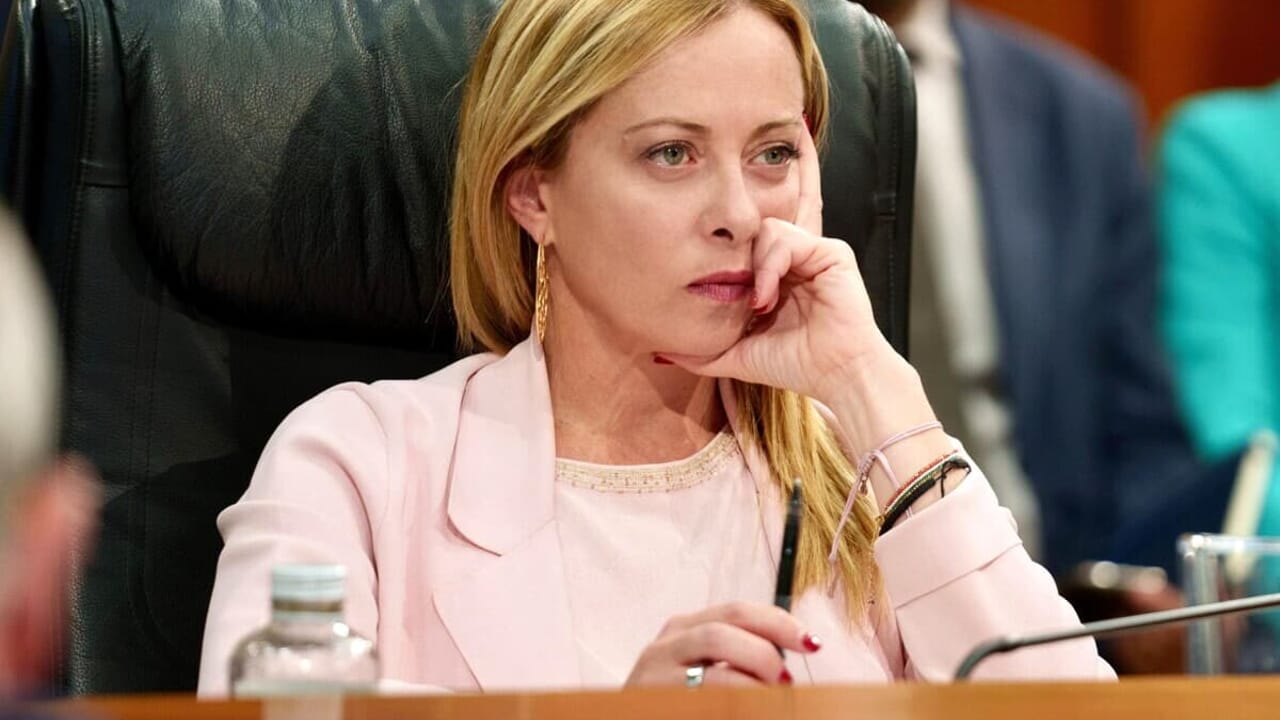
Meloni-Schlein, the new challenge is on the electoral law: here’s who benefits
Few things like the discussion on the electoral law are apparently so distant from the interests of ordinary people and at the same time so truly important for all of us. There is the same difference that exists between a Champions League final and a conference on the reform of football regulations. In the first one we have fun, in the second there will be a good chance of producing some yawns, even if the second will then influence the match.
How the new electoral law changes
The debate on the new electoral law that starts in the Chamber will in fact redefine the rules by which the Chamber and Senate will be elected and will have the ability to impact democratic life on a par with a constitutional reform (remember that one of the most important innovations in Italian politics of the last thirty years was the direct election of mayors, and even in that case it was not a constitutional reform).
Also because the project that has already been presented by the center-right and which is included in the Constitutional Affairs commission of the Chamber is highly innovative compared to the past and the present. For those who are not experts, let us immediately clarify that we are talking about a bill that has yet to be discussed and which therefore can be amended in many of its parts. Indeed, if it reaches the end, it will certainly be amended, that is, significantly changed compared to the original text.
The model of the Italian regions is copied
To give an idea of the centre-right model, simply refer to the one in force for the Regions: competition between two or more coalitions that recognize each other around their own shared programme, with distribution of seats within the coalition on a proportional basis (each list elects parliamentarians according to the votes it has received), except for a majority “correction” of seats, a “quota”, which is assigned as a governability bonus to the coalition that has obtained one more vote than the other. The “real” difference with the Regions is that it will not be possible to indicate a “prime minister candidate”, given that the Constitution provides that the Prime Minister is appointed by the President of the Republic, but at most a “coalition leader” can be indicated in the program, a rather vague formula so as not to go against the constitutional dictate and at the same time induce the parties to somehow determine a reference figure.
The aim of the reform, they explained in the centre-right, is to ensure that a certain winner emerges from the polls, and instead we do not have to face a “draw” which ends up paving the way for majorities not clearly indicated by the voters, led by a prime minister not chosen by the citizens. This has happened numerous times in recent times: apart from the Meloni government that emerged from the 2022 vote, from 2011 onwards (the last Berlusconi government) the executives and tenants of Palazzo Chigi had always been the result of majorities formed around the table (sometimes even in dissonance with each other in the same legislature) with prime ministers emerging from palace manoeuvres.
The risk that whoever got the fewest votes will govern
But if the intent is noble and it would be difficult to argue that it is good for the person who received the fewest votes to govern, it is also true that the devil hides in the details, which in this case make the difference: how much should the majority bonus be? And indeed, it is right to grant a majority bonus even to those who have not reached the majority, thus allowing a minority to proceed with the election, for example, of the President of the Republic. And then, other doubts: if the two or more coalitions obtain few votes (like 30-35 percent each) is it right to allow one of them to reach 52/55 of the seats?
As we can see, these are significant questions on which politics is dividing. Giorgia Meloni he is pressing his coalition to take a decisive step towards the reform, trying to overcome the resistance of the League and a little also of Forza Italia, who are more reluctant. The prime minister knows that with the current one Rosatellum there is a risk of a draw, and with a draw there could never, ever be a repeat at Palazzo Chigi for her. For her it’s about going for broke.
Meloni and Schlein: what they risk with the draw
The opposition for its part is wondering what to do. On the one hand it is tempted to stay on the sidelines, not actually accept the dialogue (perhaps make the move but in reality not collaborate) and then play the “you made the electoral law yourself” card in the electoral campaign; on the other hand, Elly Schlein also understood that a draw could prove fatal for her too, and that without a clear winner she too risks seeing someone else come into government in her place (a Draghi, a Letta, in short, someone with a less defined political profile).
Early elections in June? Giorgia Meloni and the hypothesis of resignation – by Riccardo Pieroni
The game that kicks off now essentially still needs to be fully deciphered. There are underground negotiations that are intertwined with more open matches, such as that for the premiership on the left or the internal dynamics that are affecting both Forza Italia and, in a less obvious way, the League, with Luca Zaia and the governors of the North not entirely aligned with Salvini. It will still take weeks to understand where we will end up, and the developments that this last part of the legislature will take, but the path to a change in the rules appears clear. All we citizens can do is hope that everything happens with everyone’s greatest contribution and with the most constructive spirit possible.
Read the editorials and articles by Pierfrancesco De Robertis
