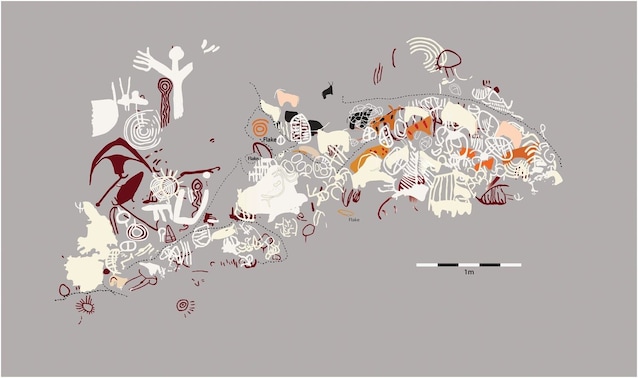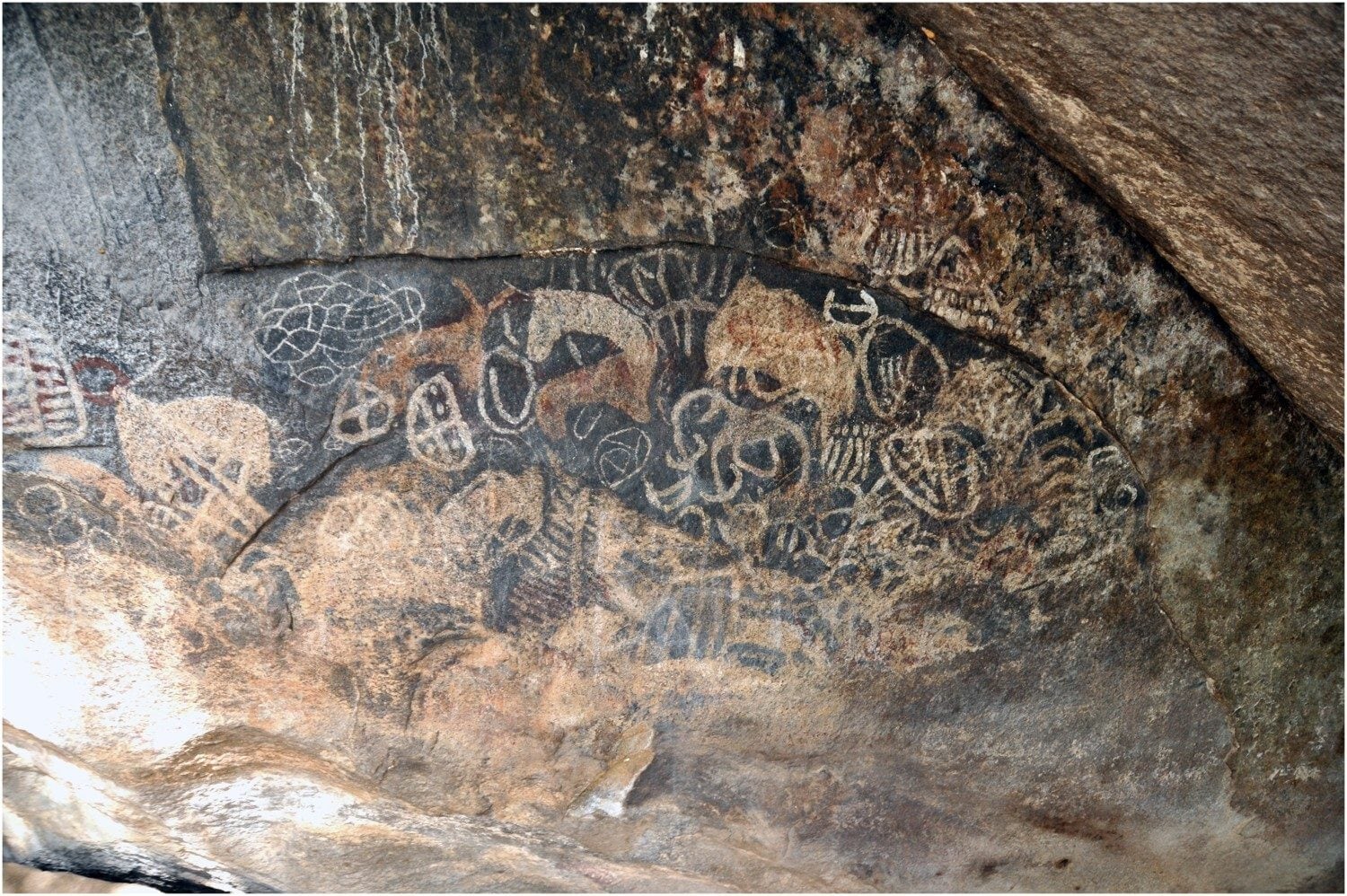
In the district of Busiaat the foot of Mount Elgon in Kenya western, is located Kakapela shelter under rock granite and national monument since 2004. Its walls preserve one of the sets of rock art more complex thanEast Africa. The site was first described by Osaga Odak In the 1977but the documentation remained partial: his relief covered only the clearest images of the central panel and speculated two styles produced by two distinct groups. The discovery allows us to review our knowledge on African prehistory.
A new study published in Azania: Archaeological Research in Africasigned by Catherine Namono And Benjamin Smithpresents the first millimetric survey of the main panelfruit of two weeks of fieldwork in November 2011. The survey made it possible to identify images not detected by Odak and of distinguish four layers of paints instead of the two initially hypothesized.
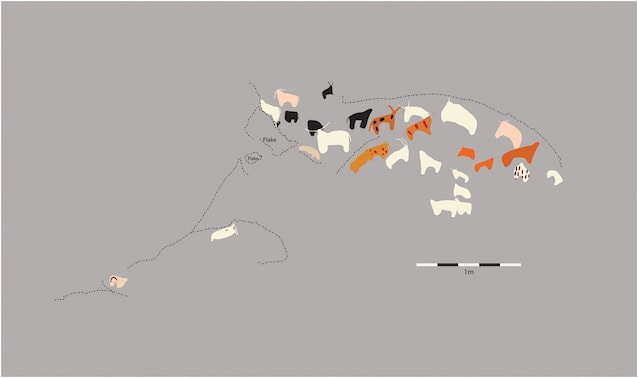
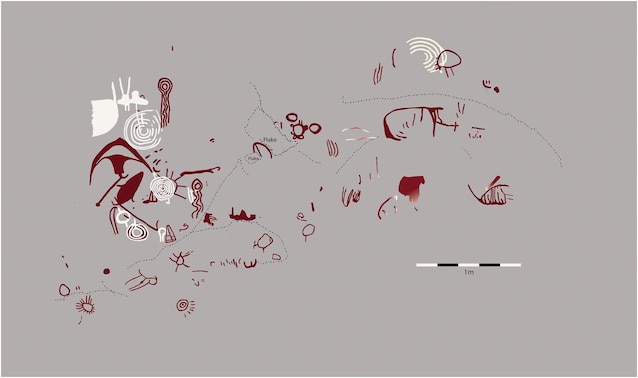
The four layers correspond to as many phases of occupation documented by the excavationswhich cover approx 9,000 years: from prehistoric tradition Kansyore of the fisher-gatherers producing ceramics (7000-2000 BC), passing through the Early (300 BC – 200 AD) and Late Iron Age (800-1700 AD)untilpre-colonial era.
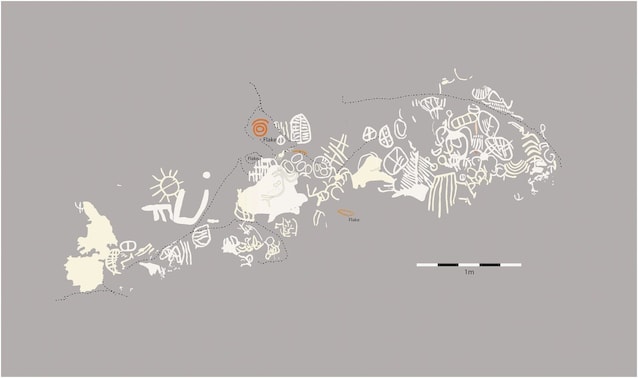
The most relevant contribution of the study concerns theidentification of the authors of the rock art. Combining rock art analysis with the Ancient DNA derived from the skeletons found in the excavations, the researchers have linked each layer to a specific group. The oldest layercomposed of geometric patterns in red and white similar to Twa rock art (Central African Pygmies), is attributable to a pygmy group with genetic affinities with the Mbuti (pygmy people living in the current Democratic Republic of Congo) of central Africa. The subsequent layers are associated with the arrival of the respectively Bantu farmers (the main ethno-linguistic group of East Africa), gods Kalenjin shepherds (group living in present-day Kenya) and the historical populations of the Teso-speaking area (arrived in the area between the 16th and 19th centuries.
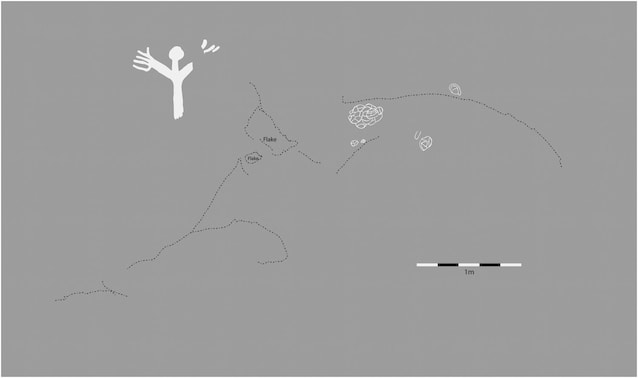
The authors they warn that the connection between pictorial layers and phases of occupation is not mechanical: some groups of those who occupied the rock shelter they may have painted without leaving significant archaeological tracesor vice versa. The fact remains that Kakapel is today one of the few sites in the world where this is possible linking rock paintings to specific human groupsgenetic profiles and precise chronological periods.