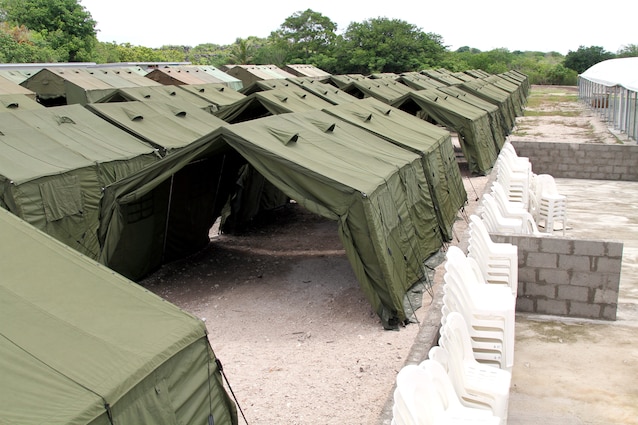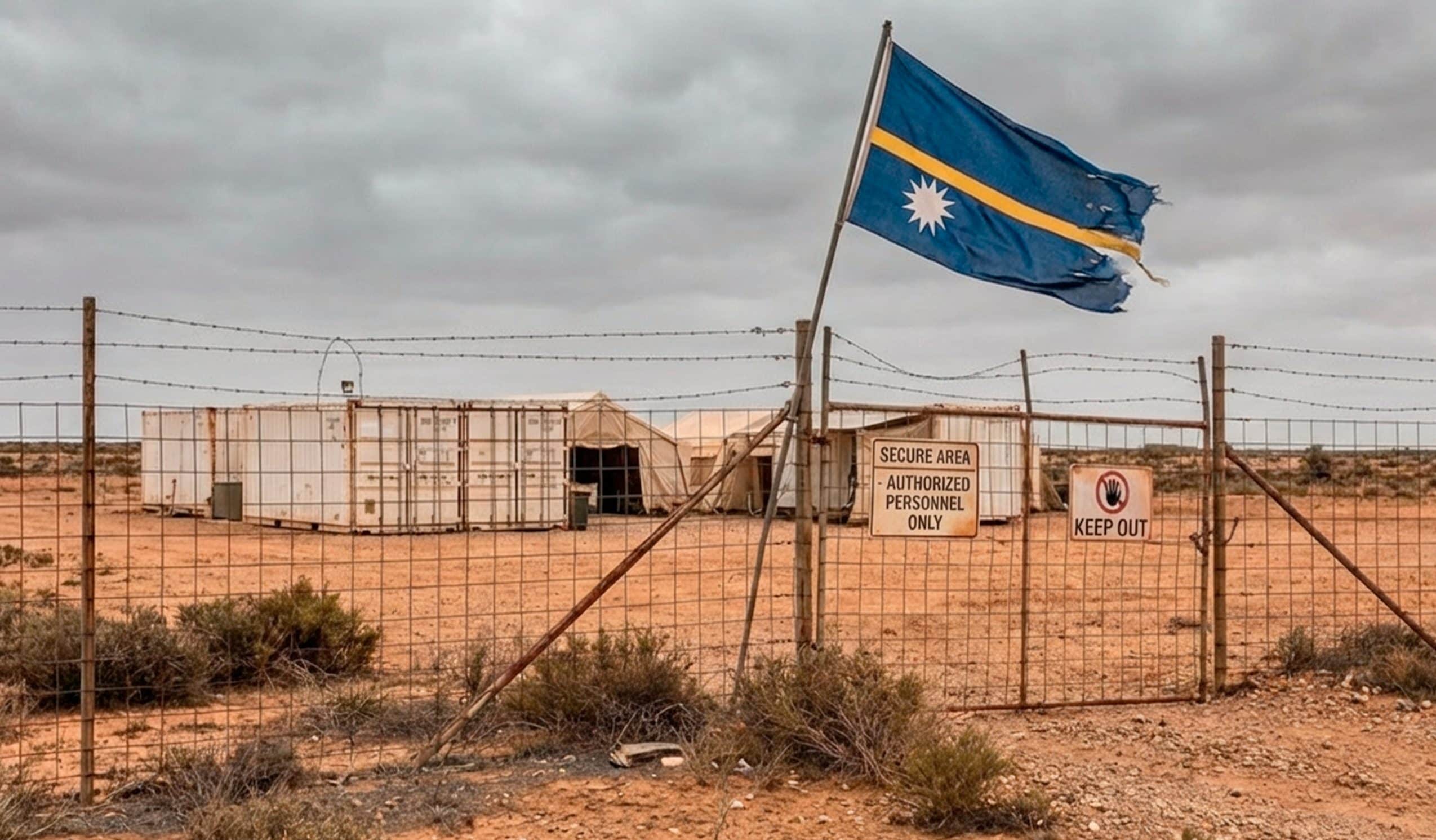
In the Pacific Ocean, over 1000 km from Papua New Guinea, there is an island of about 12,000 inhabitants which, during the 1970s, was the Country with the highest GDP per capita in the world. That same island, Nauru, has now fallen from grace and hosts detention centers for refugees on behalf of Australia. But how did this collapse happen? And what does a musical about Leonardo da Vinci have to do with all this?
The island’s fortune: 80 million tons of phosphate
The fortune of the island of Nauru has its origins in the early years of the twentieth century, when thePhosphate extraction – essential for fertilizers. This particular mineral, rich in phosphorus, has a rather curious geological origin: it was formed over the millennia from the guano of sea birds and marine microorganisms, forming some of the richest deposits in the world. Do you think that between 1906 and 2000 it is estimated that something like 80 million tons of phosphate.
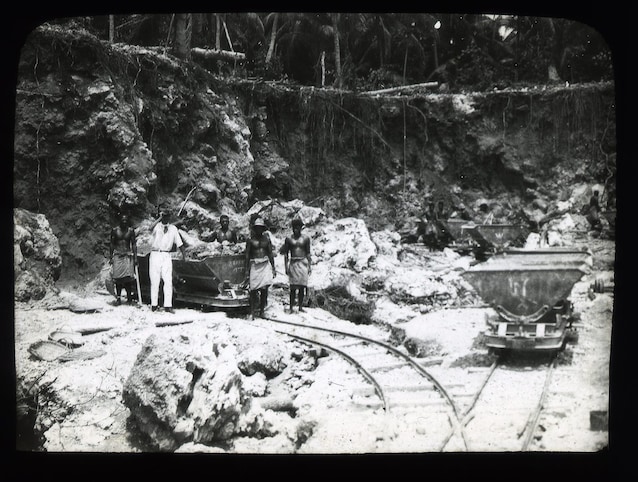
All this clearly had a direct impact on the island’s inhabitants, transforming that remote island in the Pacific into the nation with the highest GDP per capita in the world, surpassing even Saudi Arabia and the United States. We are talking about values that exceeded 27 thousand dollars – roughly equivalent to 88 thousand current dollars. This wealth was also reflected in the lifestyle of the islanders: luxury cars (despite there being only one 18km road), state planes used as if they were private jets and free healthcare. In short, a place where anyone would have wanted to live!
But at this very moment, at the peak of success, the island’s government began to make one mistake after another, leading the country into the abyss.
From ruin musicals to skyscrapers
It might seem absurd, but one of the first and gross mistakes they made was the creation of a theatrical show. In 1993 the Government in fact promoted Leonardo the Musical: A Portrait of Lovea musical dedicated to the figure of Leonardo da Vinci. Their goal was to create a show so majestic as to make it an instant classic, a work that every country would have liked to have in their theaters… it’s a shame that already in its first performance in London, at the Strand Theatre, it was brutally panned by critics. The problem was not so much the evaluation itself, but the fact that this immediately put an end to a costly project 7 million dollars – equivalent to approximately 15 million dollars today.
But not only that: the government also began to do real estate investments in Australia (which soon proved to be a failure) and to concede unsecured loans.
The mix of all these elements – already disastrous in itself – arrived at a rather delicate moment from a mining point of view. Indeed, it is true that phosphate deposits are very profitable, but they are still limited. And those on the island of Nauru, while plentiful, were close to exhaustion. In a few years the major mining companies they drastically reduced mining activity and the island’s rulers, short-sighted, found themselves penniless, without investments of any kind and with a country on the brink of poverty.
Nauru today
The island of Nauru nnever recovered and, indeed, it soon found itself in an economic situation far worse than that before phosphate mining. For years now he has almost totally depended on them help Australians and precisely for this reason the Canberra government has achieved numerous projects here reception centers for refugees: Anyone who wants to enter Australia without proper documents is sent here – in less than optimal conditions. The news of abuse (including on minors) within these Australian detention centers came just a few years ago, definitively casting a dark shadow on what, until a few decades ago, was a true economic paradise.