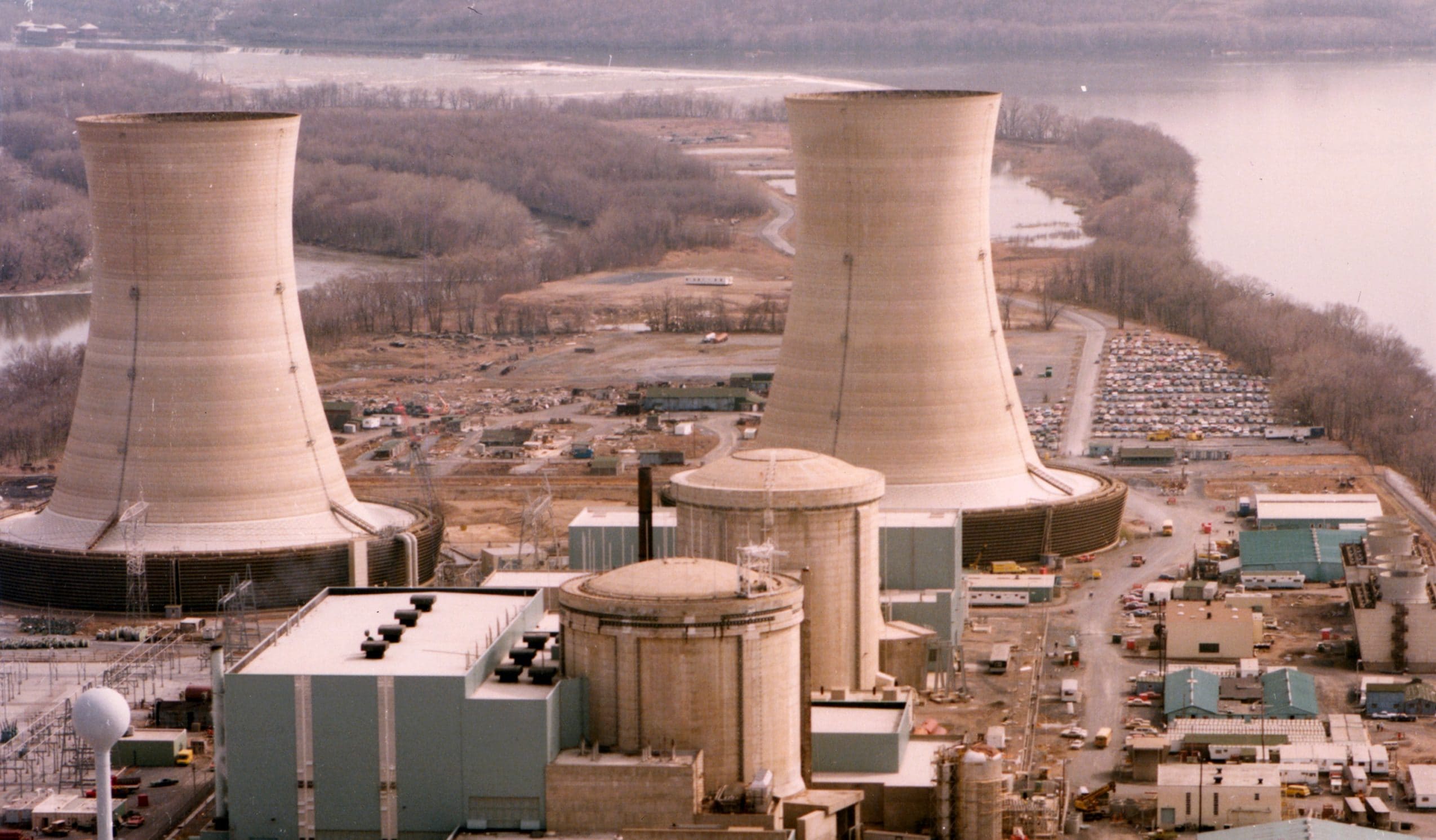
There nuclear power plant Of Three Mile Islandlocated along the Susquehanna River in Pennsylvania (USA), was the scene of one of the more dramatic incidents of US nuclear history, ranked at level 5 out of 7 of the International Nuclear and Radiological Event Scale (INES). To be clear, the Chernobyl nuclear disaster was classified as level 7.
The accident at Three Mile Island occurred at 04:36 of March 28, 1979when the TMI-2 reactor was operating at 97% of its rated power. Even in no casualties or injuriesthe event determined significant consequences on a socio-perceptive level, substantially compromising public opinion’s trust in the safety of nuclear plants.
Characteristics of the Three Mile Island power plant in Pennsylvania
The Three Mile Island power plant, located along the Susquehanna River, was characterized by the presence of two nuclear reactors pressurized water (PWR):
- Unit 1with an installed capacity of approximately 800MW and in commercial operation since 1974
- Unit 2 (TMI-2), from approx 900MWhad been operational since December 30, 1978just 90 days before the accident
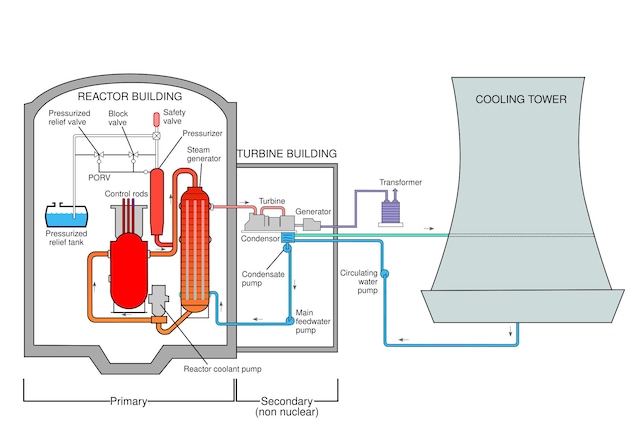
The system included a technologically advanced engineering configuration for the Seventies, designed to ensure high standards of operational safety and long-term energy reliability. This structure resulted from the implementation of specific technical solutions and safeguard systems aimed at preventing and mitigating fault conditions. The PWR type reactor was equipped with the emergency core cooling system (Emergency Core Cooling System), designed to automatically activate in the event of a loss of refrigerant fluid (Loss of Coolant Accident). The latter carries out the essential function of removing the heat generated by the nuclear fission reaction, contributing to maintaining the core temperature within operating limits.
The dynamics of the most serious nuclear accident in the United States
At hours 04:36 of March 28, 1979, the simultaneous stopping of the auxiliary circuit pumps resulted in the interruption of the correct supply of water to the steam generator, compromising the cooling of the core of the TMI-2 reactor, at that time operating at 97% of its nominal power. Although a increase sudden increase in the temperature of the core, the emergency protection and safety system intervened promptly by activating the reactor “scram”.i.e. the immediate arrest of the nuclear fission reaction by inserting the control rods into the core.
However, one concomitance of technical-system failuresthe inadequacy of emergency protocols e human error factorstransformed an initially manageable situation into a scenario potentially catastrophic. The complexity of the field instrumentation, together with control sensors that provided ambiguous indications and sometimes misleading on the state of the reactor, led the plant operators – with limited experience in managing emergency conditions – to misinterpretation the nature of the eventdetermining the adoption of operational maneuvers that they worsened the evolution. The outcome was one partial meltdown of the reactor core; however, the integrity of the containment building was preserved, preventing significant release of radioactive material into the external environment.
The days following the accident were marked by a flux chaotic communication and little transparency. Plant operators, federal agencies and state authorities provided information on multiple occasions not coherent among themselves, while numerous public officials learned of the event through the media channels, rather than through official institutional communications. In that climate of uncertainty, the governor of Pennsylvania made arrangements the evacuation of pregnant women and preschool children within a radius of five miles from the power station area. Furthermore, thousands of island residents decided to walk away voluntarily from their homes, waiting to receive clearer information on the evolution of the event.
What were the consequences?
Although during the accident a limited quantity of radioactive material was released into the atmosphere, no victims or injuries were recorded. The subsequent radiological monitoring activities and environmental sampling analyzes highlighted that the levels of exposure of the population to ionizing radiation were negligibleallowing you to exclude the onset of acute health effects on individuals.
Nonetheless, the event brought about a significant crisis of confidence towards nuclear energy, as a source of energy supply (for civil purposes). The Nuclear Regulatory Commission (NRC) suspended approval of new construction licenses for nuclear plants for several years, while numerous ongoing projects were substantially delayed or permanently canceled. The incident triggered a process of reviewing the regulatory framework and operational practices of the US nuclear industry. Emergency response procedures were updated, training and qualification programs for power plant personnel were strengthened and more stringent regulatory standards regarding the safety and management of nuclear plants were introduced.
The Three Mile Island nuclear power plant today and future prospects
The TMI-2 reactor involved in the accident, it appears definitively out of service since 1979. Unit 1, not affected by the event, continued commercial operations until September 2019when it was deactivated following economic assessments and critical issues related to plant maintenance. Unit 1, however, could be reactivated as of 2028 within the framework of an agreement stipulated between Microsoft And Constellation Energyaimed at guaranteeing a twenty-year supply of sustainable electricity, intended to power the data centers and digital infrastructures owned by the technological giant founded by Bill Gates. A study commissioned by the Pennsylvania Building & Construction Trades Council estimated that the project Crane Clean Energy Center (CCEC), planned for the redevelopment of the plant, could generate approx 3400 jobssignificantly contributing to stimulating the island’s economy.
Program development is associated with a number of technical-regulatory critical issueswith the disposal of radioactive waste representing one of the most controversial aspects. The irradiated (spent) fuel rods would initially be cooled in the site’s pools and subsequently transferred into dry containers (dry cask storage), located near the power plant, awaiting final disposal at the centralized national warehouseonce available. This temporary on-site storage solution constitutes an element of worry for the resident communities, who fear a possible prolonged permanence of radioactive material on their territory, transforming the island into a “permanent nuclear landfill“.
At the same time, the authorization process is particularly difficult articulated and long-lasting, as the NRC does not have never previously approved the reactivation of an already decommissioned nuclear plant. In this context, Constellation Energy, one of the main operators in the US energy sector, will be required to present technical evidence and detailed engineering documentation to demonstrate that Unit 1 can be brought back into operation in compliance with nuclear safety and public health protection requirements. Some environmental activists argue that the authorization outcome could result favorable in the medium termconsidering the relevance of the economic and strategic interests connected to the projectalthough critical positions remain regarding the reactivation of the plant.
