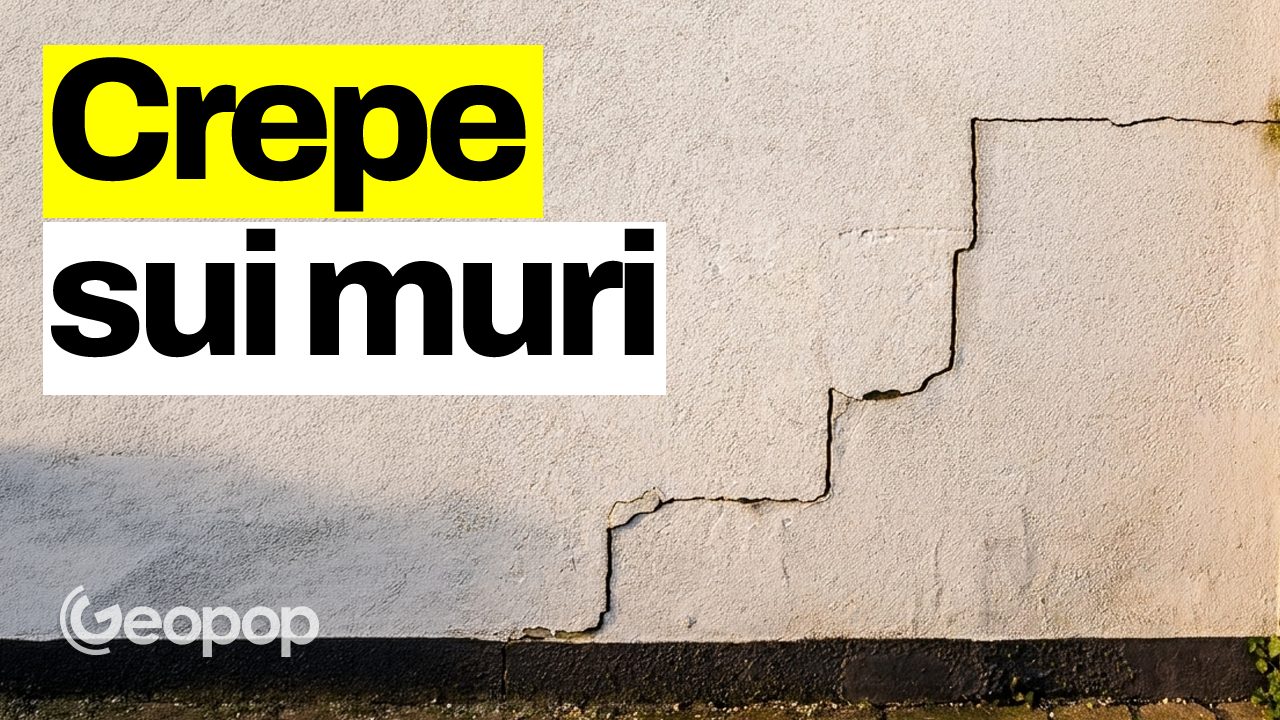
We often consider them just an aesthetic nuisance, a thin line to be covered with a little putty and a coat of paint. Yet, one crack in the wall sometimes it can be the signal that the building sends us to tell us that something is moving in the foundations. But how do we understand if we can rest assured or if we are facing a serious structural problem? In this video we understand what the difference is between superficial and structural cracks and how many and what types exist, but above all we explain how to intervene in case of dangerous cracks such as those caused by structural failures – with an innovative technology that doesn’t even need excavations, which was invented right here in Italy: that of expanding resins.
The types of cracks
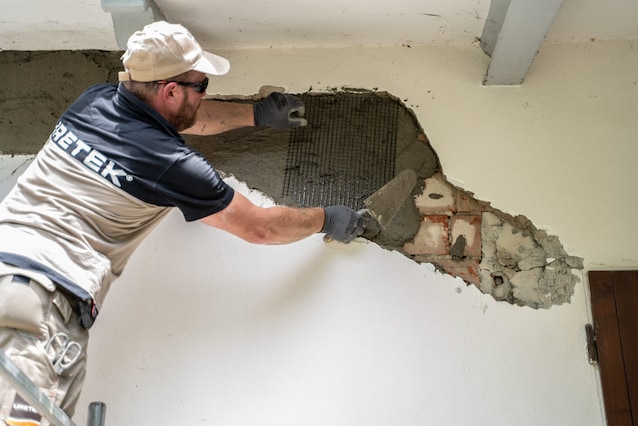
Not all cracks are the same. Those superficial they only affect the plaster and are superficial and very thin (maximum 1-2 mm) and easy to repair: just fill, sand and, if necessary, apply a fiber mesh to reinforce.
The matter changes if the crack involves the masonry and grows in length or width over time: in this case we are faced with one structural crack.
The shape and direction of the crack are the first clues to a diagnosis:
- Verticals: they often indicate ground settlement or excessive loads.
- Horizontal: they can signal ground pressure or vertical settlements.
- Diagonals: frequent at the corners of doors and windows, are often caused by earthquakes or differential settlements of the land.
Regardless of the differences, the concept to understand is that a wall does not break by itself, and the crack appears as a consequence of something that is happening under the foundations.
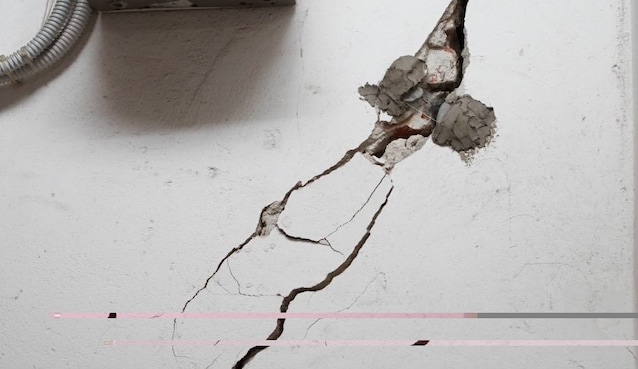
The root cause: differential settlements
The land on which the buildings rest is a complex system made of solid particles, water and air, and it doesn’t take much to significantly alter its stability: a prolonged drought, a broken pipe or the vibrations of a nearby construction site.
In the clayey soilsFor example, prolonged rainfall increases the volume of the soil, reducing its resistance. Drought, however, does the opposite, contracting the particles and causing the foundations to collapse.
When a part of the foundation loses its support or the soil beneath it compacts more in one area than in another, then we speak of differential settlement: it doesn’t come down the whole house, but only a part. To be clear, when you see a crack on a load-bearing wall it means that the ground has subsided by several centimeters. A slow and silent phenomenon in which the crack on the wall is just the tip of the iceberg.
The technological solution: expanding resins
Today there are innovative and minimally invasive solutions for consolidating the foundations of a building without having to resort to excavations. One of them was invented by the Italian company Uretekand is based on expanding resins.
The operation, as you can see in the video, is simple: the resin is injected in a liquid state under the foundations via cannulae inserted into small holes. In a few seconds, thanks to a chemical reaction, it increases in volume and passes into a solid state, expanding. And this is how, by applying pressure, it goes to fill all the voids it finds in the ground and little by little it compresses it.
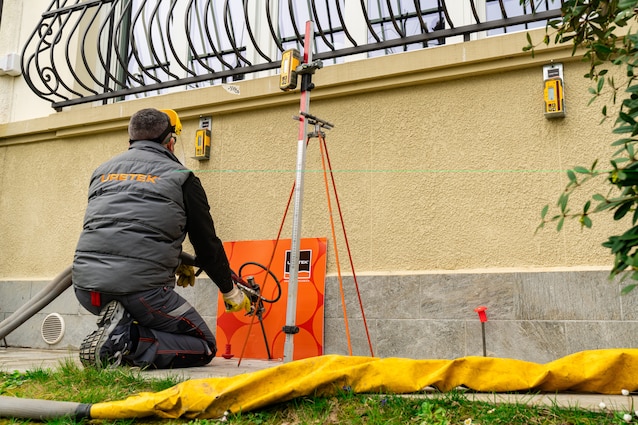
The intervention is monitored by laser sensors with very high precision which signal to the technicians the exact moment in which the soil has reached maximum compression and the structure begins to lift upwardsso you know when to stop injecting resin. Once the reaction is complete, the material becomes so rigid and strong that it can support enormous loads without deforming.
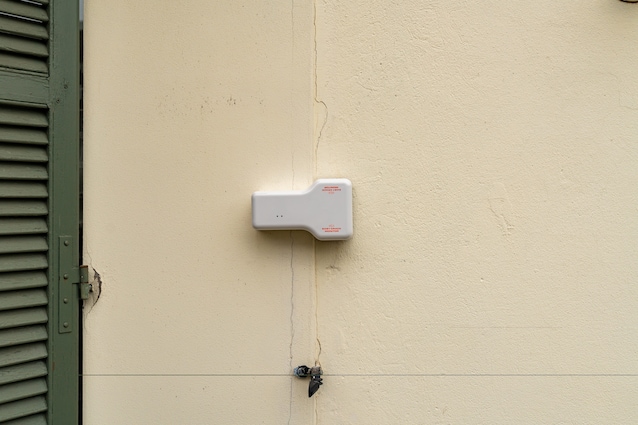
After the intervention, the stability of the building is checked for months by means of tests digital crack metersprecision instruments that monitor every slightest adjustment. When the structure is stable, then the cracks can finally be repaired with specific meshes combined with fibre-reinforced mortar.
This content is for informational purposes and does not replace the opinion of expert technicians. If you notice major cracks, therefore, always contact professionals in the sector.
