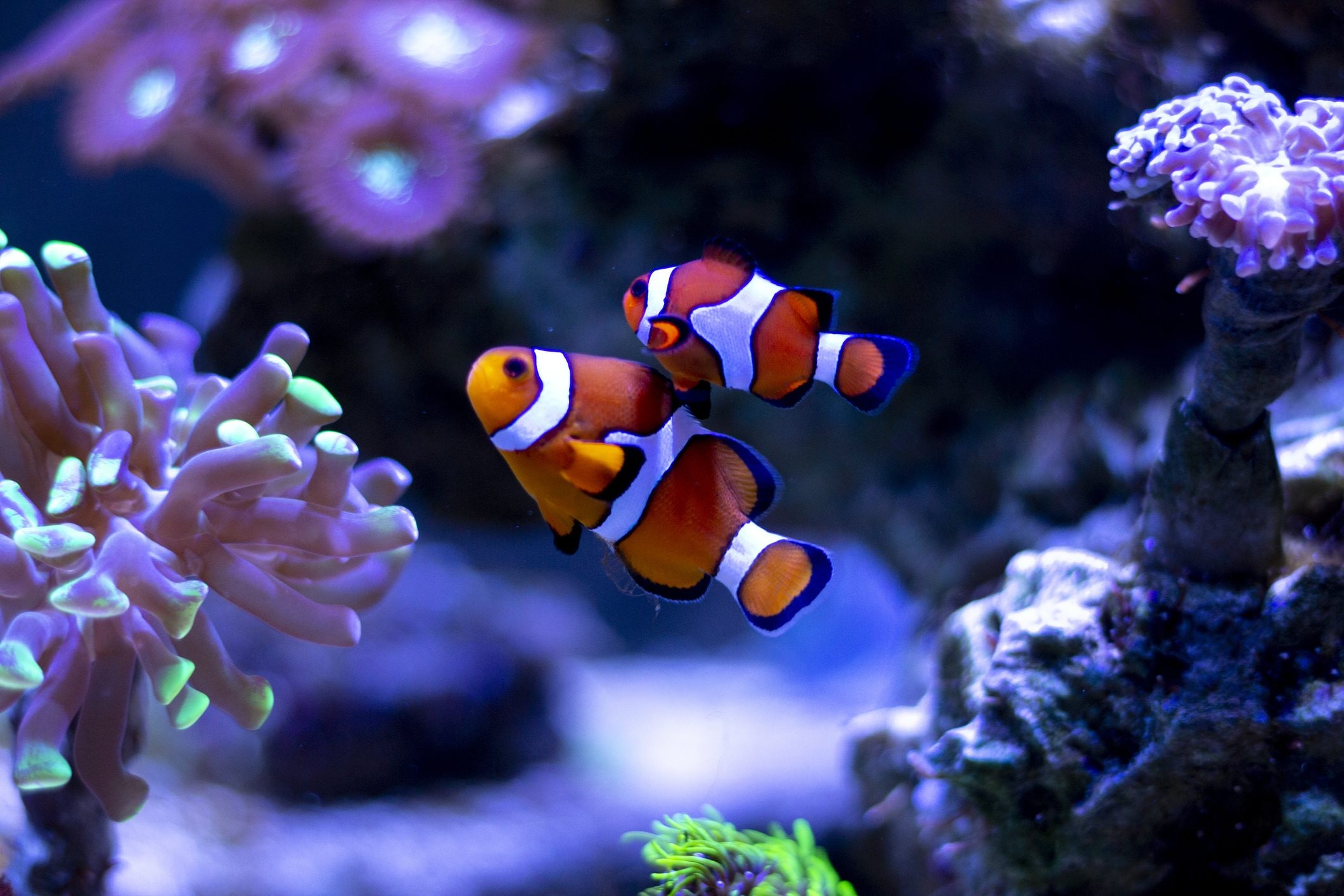
If Finding Nemo had it been more scientifically correct, Nemo’s father would actually have been his mother. Clownfish (genus Amphiprion), Indeed, they change sex throughout their lives: with increasing size and in the absence of a breeding female, male individuals can transform into females themselves. And there are even species that can change sex several times during their life! These are examples of sequential hermaphroditisma very rare reproductive mode in nature that can be found mainly in some species of tropical fish. This strategy would have evolved to maximize the chances of reproduce based on size and reduce the phenomenon of re-crossing.
What is sequential hermaphroditism
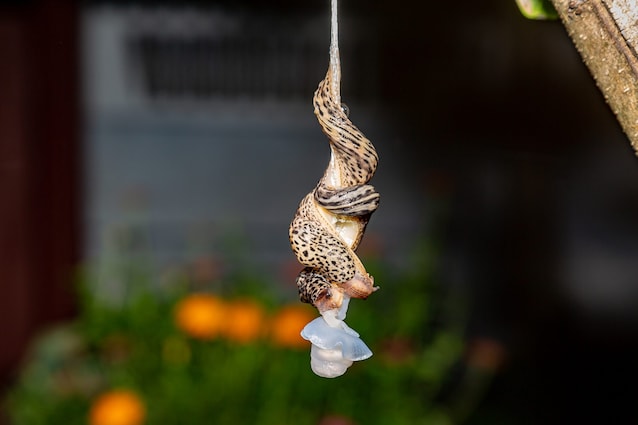
The ability to change gametes, reproductive organs and couple roles to those of the opposite sex to that of birth it is rare among both plants and animals: just 0.1% of plants exhibit sequential hermaphroditism. This should be distinguished from the much more common one simultaneous hermaphroditismin which an individual has sexual organs and produces gametes of both sexes. Most of the flowering plants it is a simultaneous hermaphrodite, as are many animal species (for example snails, which mate using both their male and female sexual organs at the same time).
In sequential hermaphroditism, however, an individual born of a specific sex to become the other sex later in life. This latent capacity does not always manifest itself but it comes triggered by specific circumstancesusually related to body size and the balance of breeding individuals in the social group. In clownfish, for example, only the two largest individuals reproduce: the dominant female, the largest of all, and the largest male of the group. All other specimens are smaller non-breeding males, waiting their turn: when the dominant female dies, the larger male undergoes hormonal and physical changes, within a few days it remodels its reproductive system and begins to produce eggs instead of sperm. The second largest male then becomes the new dominant male to breed with her, and so on.
What are the animals that change sex and the types of hermaphroditism
There are three types of sequential hermaphroditism: the protandry (the individual is born male and then becomes female), the protogyny (the individual is born female and then becomes male) and that bidirectional (males become females and vice versa depending on the circumstances).
- Protandry they include, in addition to the aforementioned clownfish, also the common sea bream (Sparus aurata): the young are born male, reach reproductive maturity around two years of age, after which the older sea bream become females. This particularity makes it important manage fishing carefully of this animal: by catching too many sea bream of the same size together, you risk unbalancing the presence of one of the two sexes in the population, effectively preventing it from reproducing.
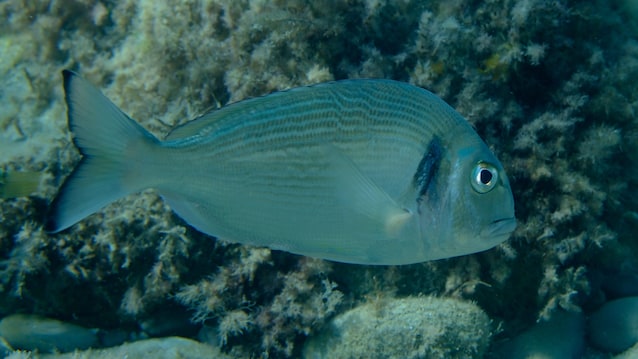
Sea bream are an example of sequential hermaphroditism with protandry: the individual is born male and becomes female - There protogyny it is the most common type of sequential hermaphroditism: the typical ones represented are the Labridae, a family of tropical fish which also includes the famous cleaner fish. These species are very territorial and the dominant males defend their territory and the females present within it. Although there is an advantage in being larger and becoming a dominant male, small individuals still manage to reproduce while remaining female.
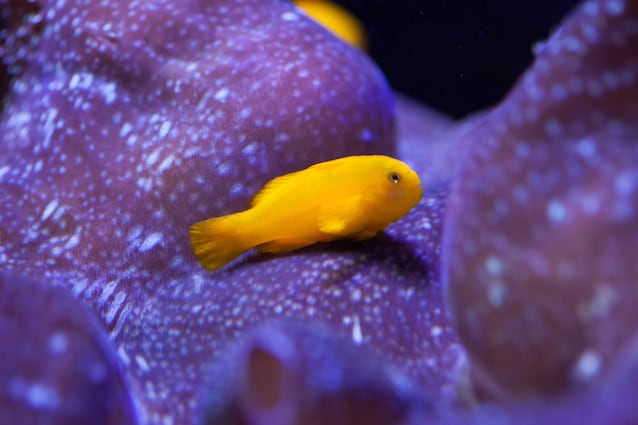
- Bidirectional hermaphroditism is among the rarest in nature: an example are some species of fish of the Gobiodon genus. These small fish are born as females and when a couple is formed, if the two fish are of the same sex, one of the two changes it, with the larger becoming male in the case of two females, and the smaller becoming female in the case of two males. This change is not permanent and the fish can change sex several times throughout his life depending on the circumstances – a flexibility that allows the Gobiodon to mate with any individual you meet.
The evolutionary benefits of modification
Sequential hermaphroditic species are very few compared to simultaneous hermaphroditic ones or those with a clear sexual division. This rarity has pushed biologists to wonder what the evolutionary advantages for the emergence and maintenance of such an unusual reproductive system. A first hypothesis has to do with the size of individuals relating to their sexual role: in species with protandry, a larger female is capable of produce more eggs compared to a smaller one, while in those with protogyny, a larger male is more capable of defend the harem or little ones from attacks.
Another possible explanation for the evolutionary onset of sequential hermaphroditism is that it would be a strategy to discourage inbreedingor the crossing between inbreds. In litters where all the young are born at the same time and remain in the same area, the risk of members of the same litter breeding with each other is high – but if they are all of the same sex during the same time in their lives, this cannot happen, and individuals can only mate with those who are older or younger than themselves, and who necessarily come from a different litter.
