
The Constitution is the fundamental law of a country. Generally it defines the fundamental principles, establishes what the powers of the institutionslists the rights and duties of citizens. All states have, at least de facto, a constitution, in the sense that they are based on specific principles and a specific distribution of powers and there are no states completely devoid of fundamental rules, various countries they do not have a codified constitutional textas is the Italian Constitution, but rather they are based on customary laws or ordinary laws and historical documents not grouped into a single document.
Let’s look at six examples of countries without a codified constitution: the United Kingdom, Canada, Israel, Saudi Arabia, Sweden and San Marino.
Why constitutional documents are needed
The Constitution is the fundamental law of a stateestablishes the principles on which it is based, guarantees the rights and freedoms of citizensdefines tasks and responsibilities of individual institutionsserves as limit for other lawswhich cannot conflict with the constitutional text. In general, constitutions are “rigid”, that is, they cannot be modified with ordinary law but only with special procedureswhich make changes more difficult (and slower).
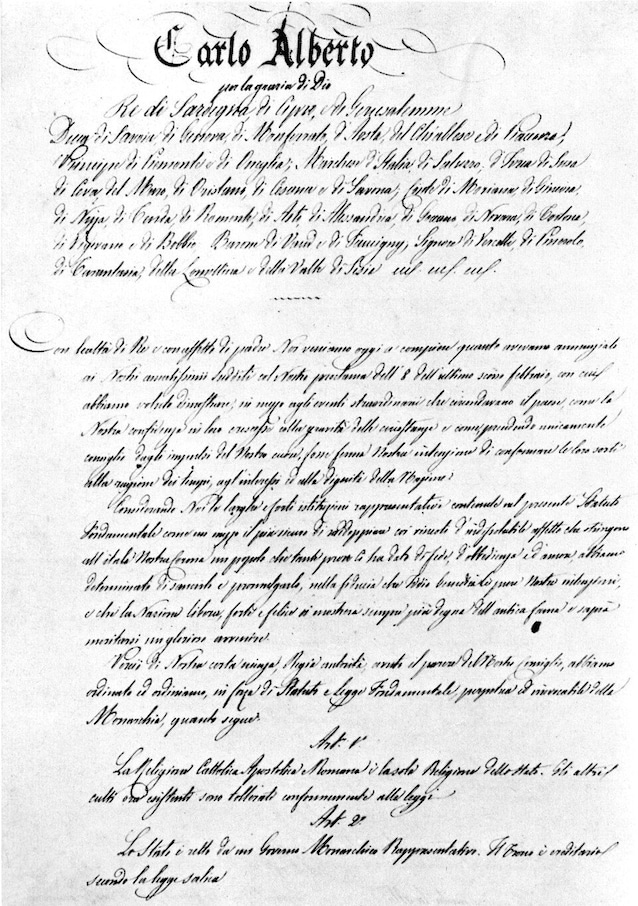
For us Italians, having a constitution is a given, since a codified fundamental law has existed since before national unity. In 1848 the Kingdom of Sardinia acquired the Albertine Statutewhich in 1861, when the Kingdom of Italy was proclaimed, became the constitutional charter of the new State. In 1946, as we know, the citizens voted for the establishment of the Republic and elected the Constituent Assembly, which drafted the Constitution currently in force.
The 5 countries without a codified constitution
In fact, in all the countries of the world there is a constitution, in the sense that all states are governed by certain principles and with a specific political system. In some cases, however, the Constitution it is not written and codifiedas in the Italian case and many other countries, but it is based on customary norms or on a series of fundamental laws not grouped into a single text. Often fundamental laws, such as codified constitutions, cannot be modified by ordinary law but only by special procedures, such as Constitutions.
Among the states without a modified constitution there are both democratic regimes and autocracies. Here are some examples.
United Kingdom
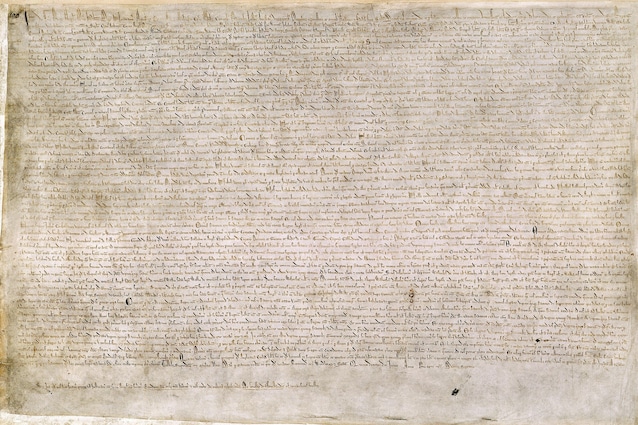
The United Kingdom does not have a single constitutional document, but various fundamental lawsissued in different periods, which define the characteristics of the State. The first constitutional document is generally considered the Magna Carta Libertatumissued in 1215 by King John Without Land to limit the powers of the monarchy. The other fundamental laws establish the sovereignty of parliament, the role of the sovereign, the function of the four constituent nations of the Kingdom (England, Wales, Scotland and Northern Ireland), the attributions of the judicial power, the function of the Anglican Church and other aspects.
Canada
Canada does not have a single constitution, but it does have some fundamental laws. Canada is in fact one former colony of the United Kingdomwith whom he did not completely cut ties (the head of state is still the King of England today). In 1982, a provision was enacted, known as the Constitution Act 1982, which establishes which laws must be considered fundamental.
Israel
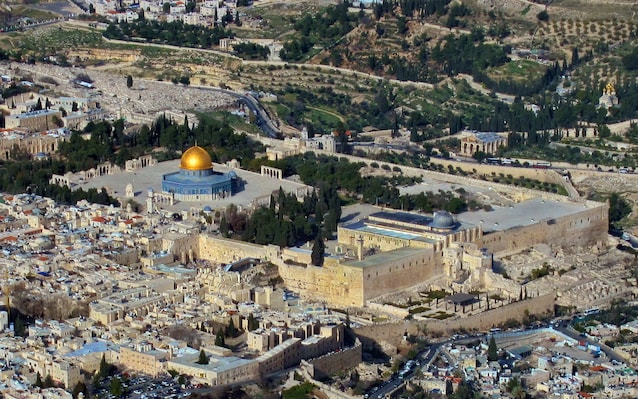
The State of Israel does not have a written constitution. When the state was established in 1948, the Declaration of Independence established that the country would have a Constitution, but the political forces could not reach an agreement, also because the religious component believed that the State could have no other fundamental law than that of Torah (the first five books of the Bible). Nonetheless, over the years parliament has approved 14 fundamental lawswhich define the main aspects of the State: the role of parliament, the duties of the president and the government, the powers of the judiciary, etc. Some laws are contested by the international community, such as that of 1980 declaring Jerusalem capital of the country (it is not recognized because part of the city is inhabited by Palestinians and was annexed by Israel with the force in 1967), and that of 2018 which defines Israel as a national state of the Jewish people (some jurists believe that in this way the rights of citizens who profess religions other than Judaism are discriminated against)
Saudi Arabia
Saudi Arabia does not have a codified constitution because it considers it a religious text: the Koran. In 1960 King Faisal explicitly declared that the Koran should be considered the Constitution of the State. However, in 1992 the Basic Law of Saudi Arabiacomposed of 83 articles, which effectively acts as a Constitution.
Sweden
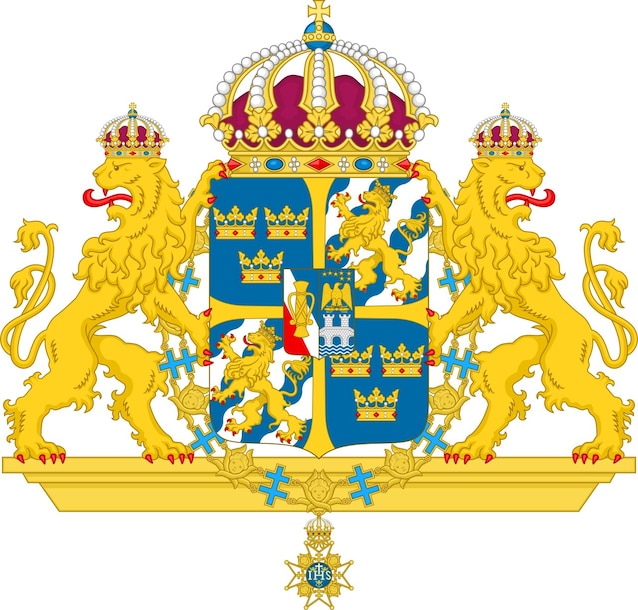
In Sweden there is no single constitutional text, but they are in force four fundamental laws which define the system of the State and the rights of citizens. The oldest is the Act of Succession of 1810, which establishes the methods of succession to the throne (the Act has, however, been amended in recent years); the most recent is the Basic Law on Freedom of Expression of 1992.
San Marino
The Republic of San Marino does not have a codified constitution, but recognizes them as fundamental laws various documentssome dating back centuries, like the Leges Statutae Sancti Mariniissued in the year 1600 and still considered a source of law today. More recent is the Declaration of citizens’ rights and fundamental principles of the San Marino legal system, approved in 1974 and modified in 2002.
