From the August 12, 2026 they change EU rules for the plastic packaging: in the European market the food packaging containing PFAS above specific thresholds, while the limits on containing materials will be strengthened heavy metals such as lead, cadmium, mercury and hexavalent chromium.
The news, in reality, is not new at all (we had already talked about it here in relation to single-dose sachets of ketchup and mayonnaise), but the topic is being discussed again in view of the summer deadline, given that on 12 August the EU Regulation 2025/40 will become fully operational.
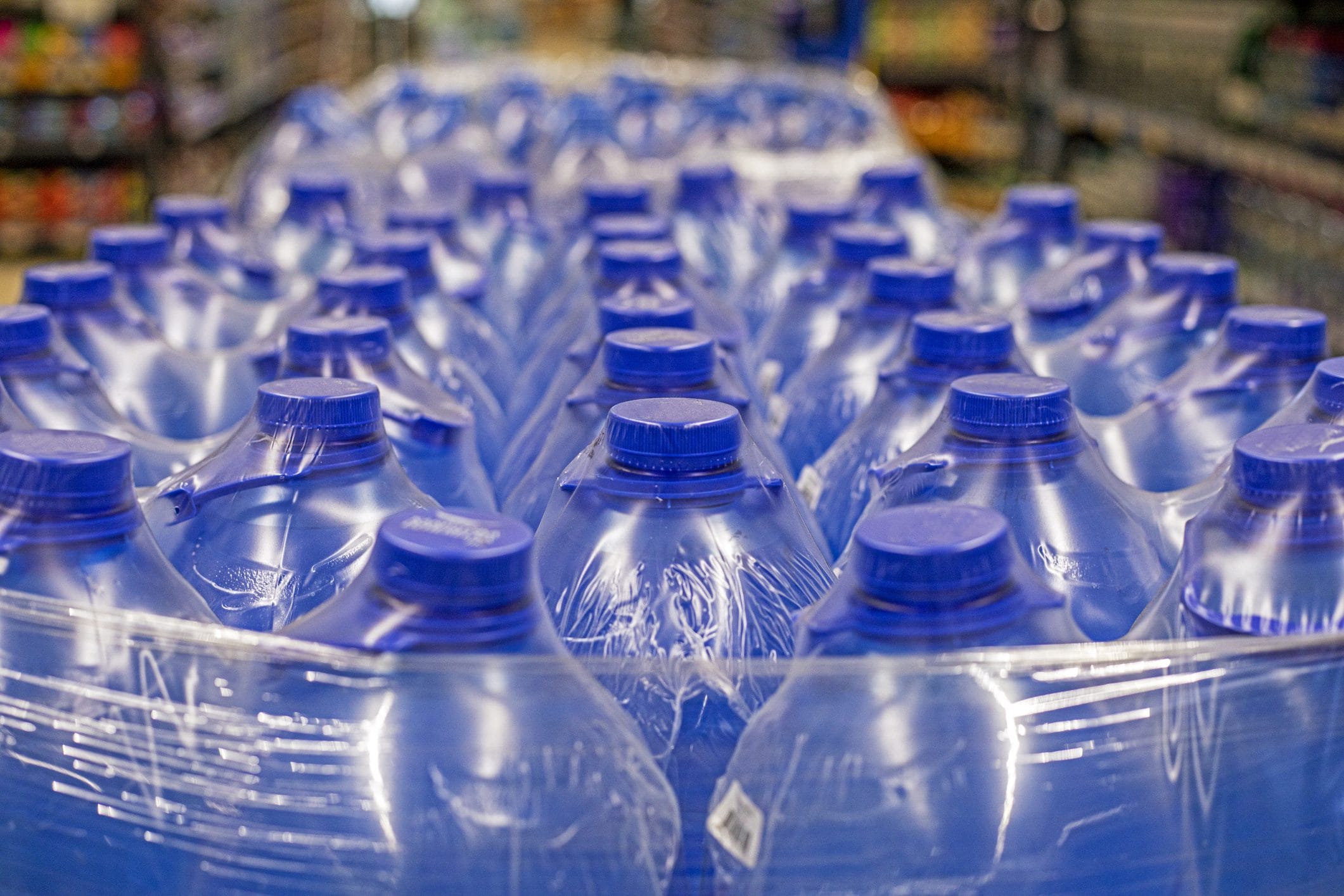
Unlike what was reported by various newspapers, however, single-use plastic products – including packaging multipack of water packs and those for i fruit and vegetable products – they will not be banned starting from next August, but will only become mandatory starting from there from 1 January 2030.
From 12 August 2026, packaging with PFAS will be banned
As mentioned, the bans on plastic packaging will not come into force on August 12th: plastic bottles, single-use sachets and multipacks (i.e. packages of grouped products, such as cases of water) will continue to be sold. However, the way in which this packaging will be produced will change.
The most relevant point concerns i PFASthe so-called per- and polyfluoroalkyl substances: from 12 August 2026 the food packaging containing PFAS above very precise thresholds, i.e 25 parts per billion (ppb) for each single PFAS identified with targeted analysis, 250 ppb for the sum of all PFAS detected e 50ppm for PFAS (including polymeric PFAS).
Be careful, though, because it is not expected any transitional period to dispose of supplies. This means that packaging produced before the deadline, but placed on the market after 12 August 2026, will already have to comply with the new limits. Those already on the shelves before that date, however, will be able to remain on the market.
Alongside PFAS, the regulation also confirms limits for heavy metals: the total concentration of lead, cadmium, mercury and hexavalent chromium in packaging (or in their components) cannot exceed 100 mg/kg. This limit applies to any type of packaging, regardless of the material.
In essence, from August all packaging will have to be designed to minimize the presence of harmful substances and manufacturers will be required to prepare technical documentation and declarations of conformity to demonstrate compliance with the new requirements.
From 1 January 2030, goodbye to multipacks, disposable sachets and more
The changes, however, will come into force on January 1, 2030when bans will come into effect on various formats of disposable plastic packaging. More specifically, the stop will concern:
- The packaging multipacklike plastic films or rings used to hold together the six bottles of water we buy at the supermarket.
- The packaging of disposable plastic for fruit and vegetables pre-packaged fresh products weighing less than 1.5 kg: for example, nets for oranges and lemons, fruit trays, salad bags, with some exceptions related to the need to avoid microbiological risks, loss of water or damage from impacts.
- The packaging of disposable plastic for food and drinks consumed on the premises (such as trays, plates, glasses), of disposable sachets for condiments, sauces, coffee cream and sugar (those of ketchup, mayonnaise, oil and vinegar served with salads).
- The packaging of disposable bottles for cosmetics and toiletries in hotels (such as shampoo, shower gel and the like intended to be used and thrown away between one guest and another).
- Most will also be banned very light plastic bags (those less than 15 microns thick), unless they are necessary for hygiene reasons or to prevent food waste.
In short, bringing the focus back to water bottles – so far one of the most debated topics especially due to the transport difficulties that would be created for citizens, as well as for businesses in the sector – the bottle itself will not be banned, but its “outline” will significantly change.
In addition to the disappearance of the plastic multipack, from 2030 single-use plastic bottles for drinks will have to contain at least the 30% recycled material recovered from post-consumer plastic waste. This percentage is expected to rise until 65% by 2040. In parallel, the regulation introduces a system of recyclability performance classes (A, B and C): from 2030, packaging that does not reach at least class C cannot be placed on the market, and from 2038 the minimum threshold will rise to class B.
The requirement for a deposit on plastic water bottles
Then there is another obligation that concerns plastic water bottles very closely: the security deposit system. The EU Regulation, in fact, establishes that by January 1, 2029 all Member States will have to guarantee the separate collection of at least 90% by weight disposable plastic bottles for drinks (with a maximum capacity of 3 litres) and disposable metal containers for drinks (always up to 3 litres).
To achieve this objective, each Member State will have to establish a security deposit system: in practice, at the time of purchase the consumer pays a small deposit on the bottle or can, which will be returned to him when he returns the empty container to the collection point – which it already happens in some EU countries such as Germany.
However, there is an exemption clause: Member States that demonstrate that they have already achieved a rate of separate collection equal to at least to 80% by 2026 (presenting a concrete strategy to reach the 90% target by 2029) will be able to ask not to establish the system. The exemption, however, lapses if the collection rate falls below 90% for three consecutive years.
However, this is an extremely high percentage: to be clear, according to the latest ISPRA report, in 2024 Italy – which is the first country in the EU in terms of recycling rate – managed to intercept around 68% of plastic beverage packaging.
