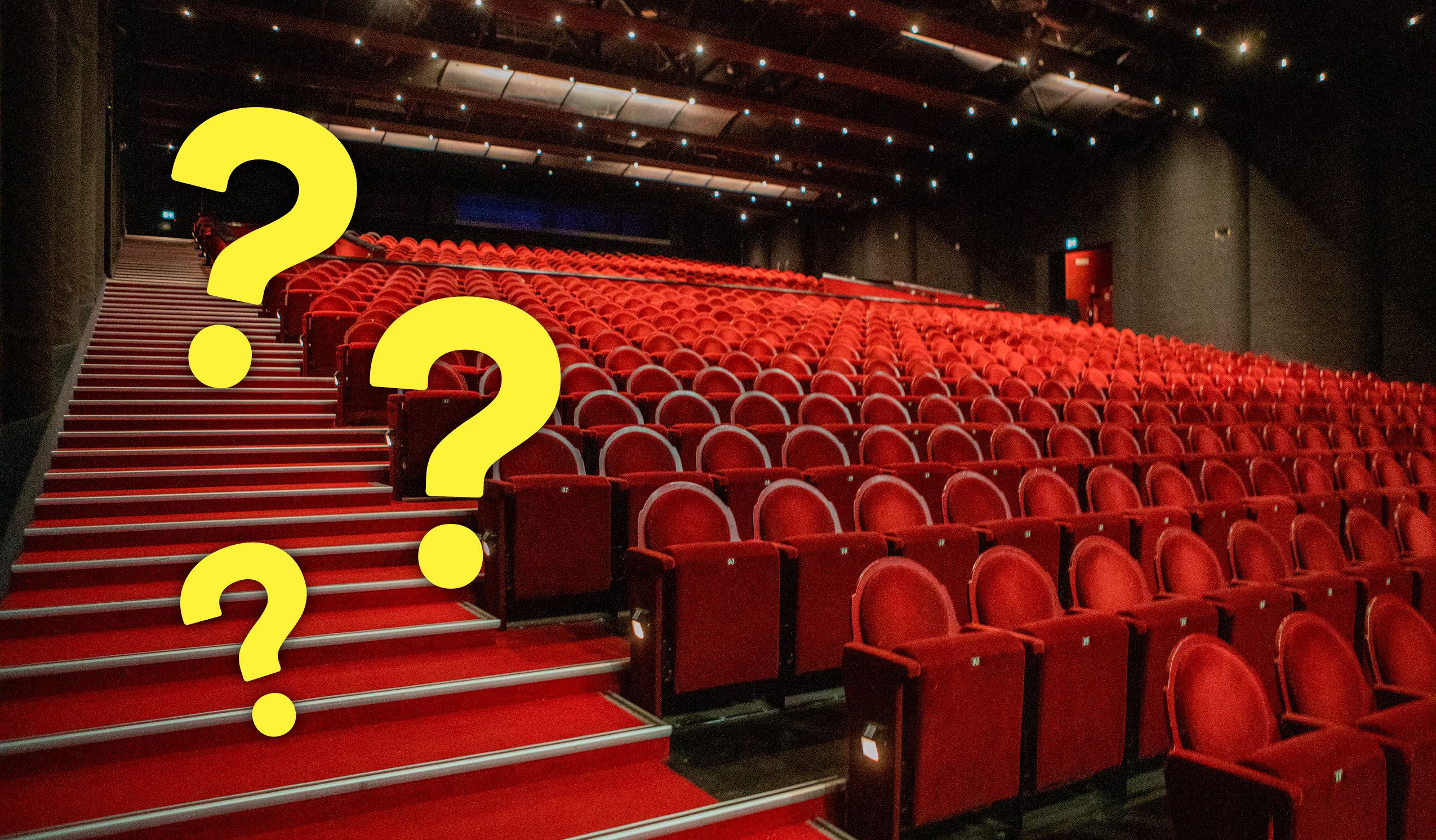
In the collective imagination, theaters and cinemas have i seats red. Of course, today there are many with black, gray or multicolor seats, but historically this has been by far the most popular color. But for what reason? As we will see, there is no single answer: it is a mix of theater history and science.
The origin of red seats in cinemas and tradition
THE red seats have their origins in nineteenth-century European theaters: color has long been associated with candiesal well being et al prestige. Precisely for this reason at the time it was common to find crimson seats, red carpets and scarlet curtains: they had to embody the luxury and refinement of those who frequented them. In addition to this, also the choice to use the velvet it was not accidental: this material, by absorbing part of the sound waves, is capable of reduce reverberationsimproving the overall experience.
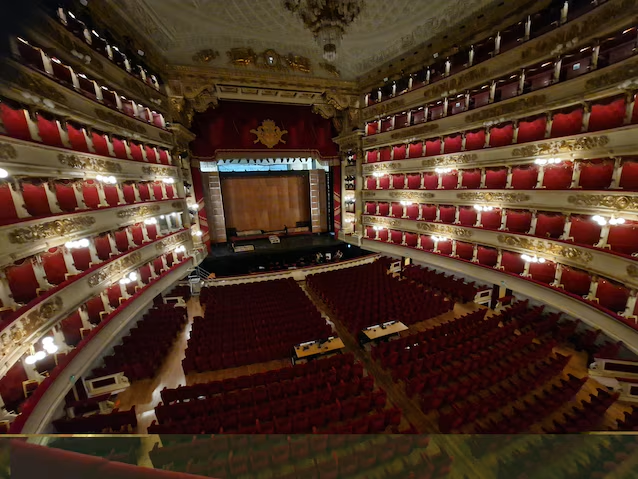
Over time, this type of seat has become increasingly rooted in thecollective imaginationso much so that it was also transferred to many cinemas in the following decades. But be careful: it’s not just a long-standing tradition that dies. There are also motivations related to ours perception of color.
The science of the Effect Purkinje
The human eye recognizes the color red when an environment is well illuminatedbut when you find yourself in a situation of twilight this becomes much less visiblealmost to the point of “disappearing”. In fact, human sight is more sensitive to wavelengths blue and of greenwhich tend to appear brighter to us in a dimly lit environment. This phenomenon, called Effect Purkinjeis clearly visible from the image below.

If we translate this concept into a cinema or theater, it is clear how the use of the red color for the seats allows them to be easily rendered “invisible” when the theater lights go out. By doing so, the audience can fully concentrate on the film or opera without being distracted by the color of the furniture.
