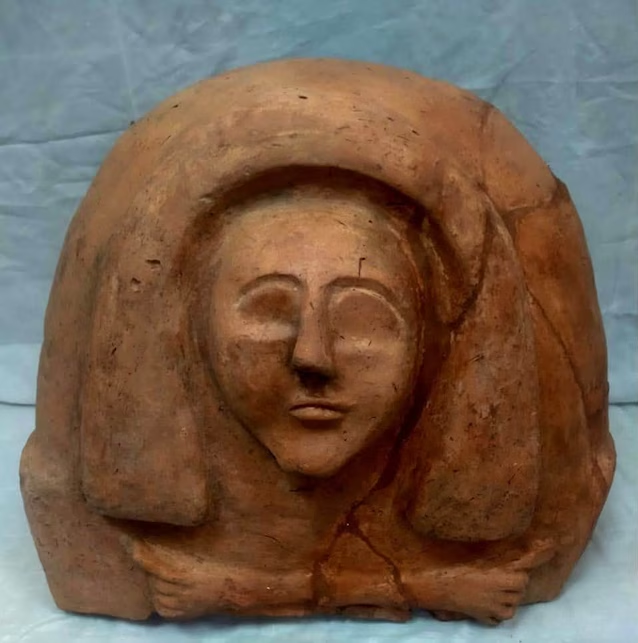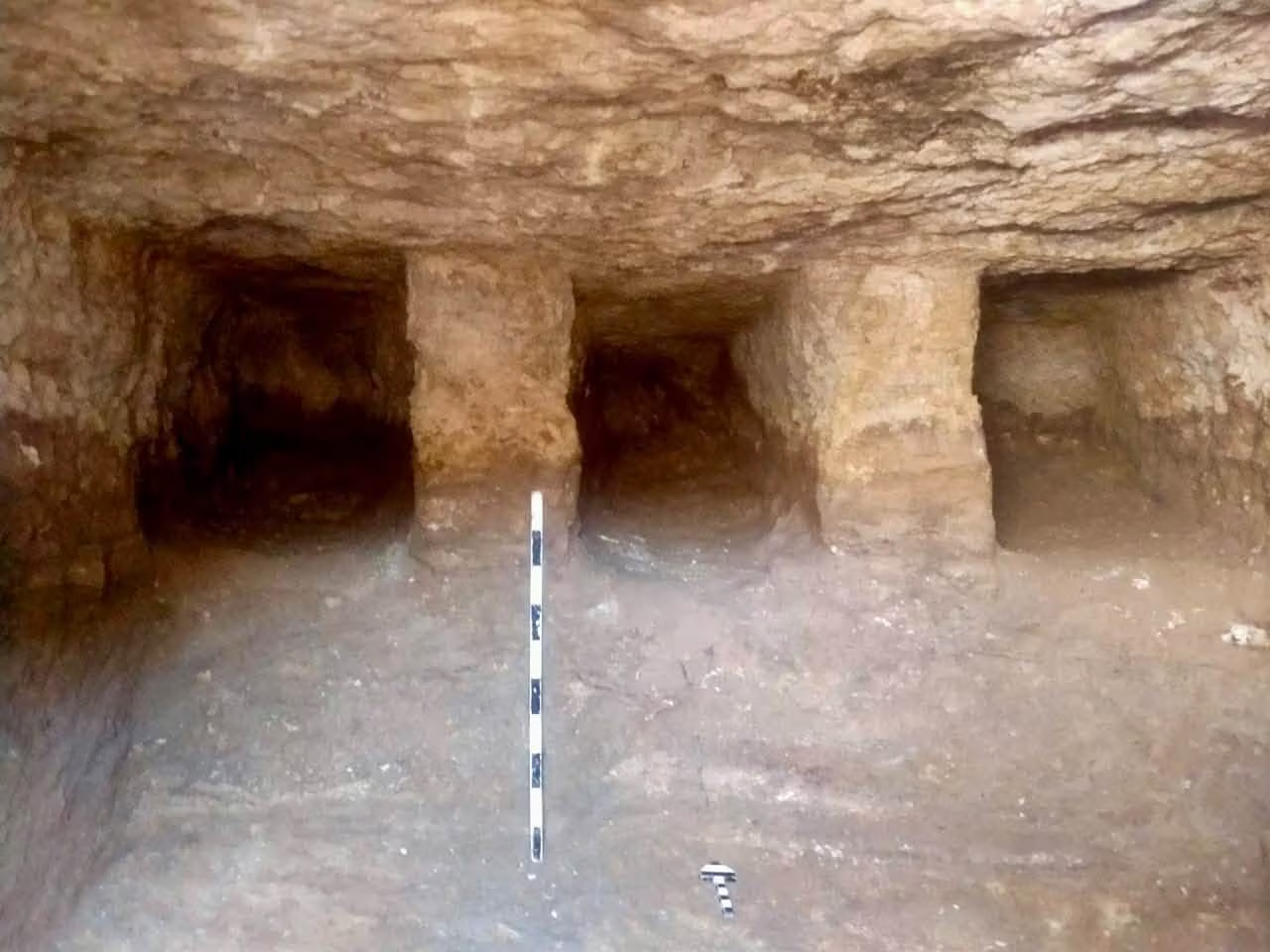
An Egyptian archaeological mission, under the direction of Anwar Abdel Samadhe discovered several tombs carved into the rock at the ancient site of Tel al-Yehudain the province of QalyubiaIn the Eastern Nile Deltain Egypt. The excavations also brought to light further remains of an ancient one Roman military camp located in the superficial layers of the site, above the burials, a complex of rare dating back rock tombs. According to Hisham El-Leithysecretary general of the Supreme Council of Antiquities, the latter would date to the period of New Kingdomthe apogee phase of the ancient kingdom of the pharaohs, between the 16th and 11th centuries. to. C.
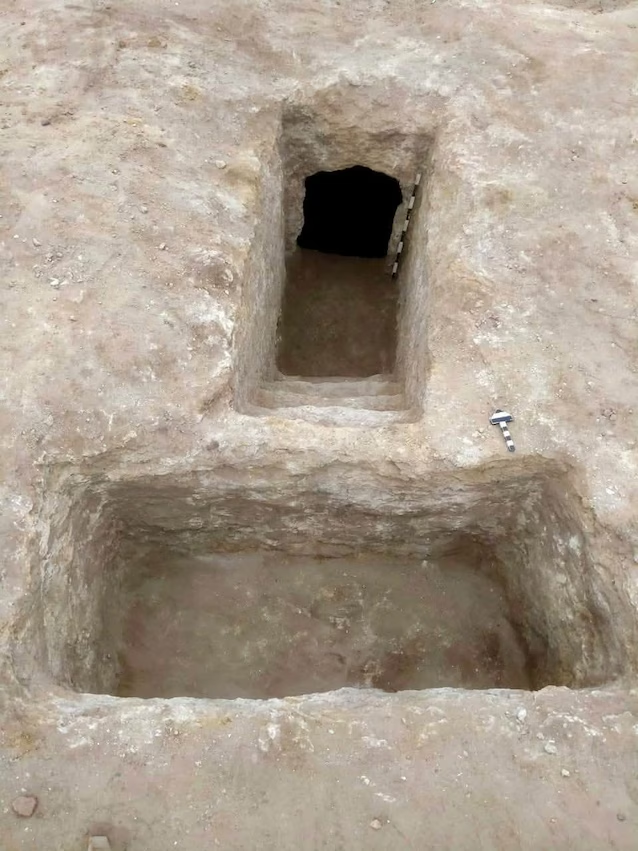
The underground tombs are distinguished by their variety of their architectures and they are particularly significant because structures of this type are rare in the Delta, where clay-rich soils that are easy to dig prevail. Their study can contribute to a better understanding of theevolution of funeral practices in the eastern Delta. They have been identified two main architectural types. The first consists of a staircase leading to a room equipped with niches intended for burials. The second instead presents a rectangular well from which you access two burial chambers. Second Ayman Ashmawyadvisor to the Supreme Council of Antiquities, these types are uncommon in the Delta; other examples of rock-cut tombs are known in the area Kom el-Shoqafato Alexandriaand along the northern coast.
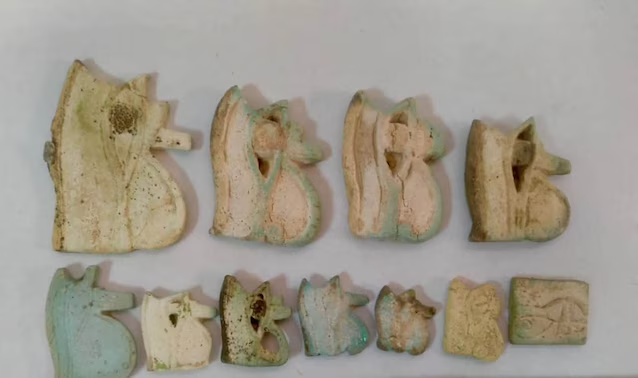
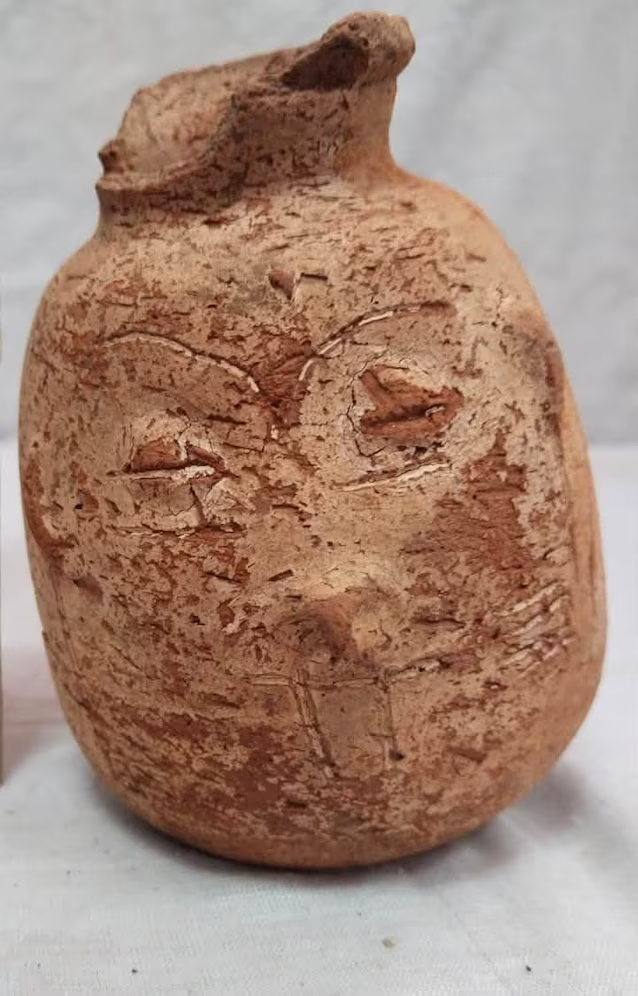
THE finds recovered during the excavations have allowed us to establish the chronology of the tombs. Archaeological evidence indicates that they were built at the end of the New Kingdom and continued to be used throughout the Late Period (VII-IV century BC). The artefacts found are ceramicsin perfect condition, but also amulets And statues in terracotta. Above the burials, the mission is continuing the excavation of the remains of a Roman campwhose presence testifies to the continuity of use of the area in later periods. Tel al-Yehuda was already known for its connection to the Hyksos period (populations of Middle Eastern origin who occupied Egypt in the transition period between the Middle Kingdom and the New Kingdom, between the 18th and 16th centuries BC), when a large camp stood there, and archaeological evidence indicates that the site remained also frequented during the Greek and Roman eras.