A new digital analysis of a historic photograph suggests that Meretneith, who lived around 5,000 years ago, was depicted in a lost seal bearing the symbol of Egyptian rulers. In her tomb, the only monumental one dedicated to a woman in the necropolis of Abydos, archaeologists found traces of lives, a sign of an unparalleled grave goods. He may therefore have exercised royal power, but the hypothesis remains to be verified.
A black and white photography taken further seventy years ago could help clarify the political role of Meretneith (or Merneit), a woman of the time of 1st Dynasty of Egypt (3150-2925 BC), lived approximately 5,000 years ago. It was queen of Egypt around the 30th century BC. C.in a time several centuries before the construction of the pyramids. His role, however, may have been more important than that of a simple queen consort. A new one digital analysis of an imprint of clay seal in fact it suggests that his name was inserted in a serekhthe symbol used to enclose the name of the Egyptian rulers. If the interpretation were correct, Meretneith would have exercised the royal power in a very ancient phase of Egypt’s history, centuries and millennia before the best known ones Hatshepsut (1478-1458 BC), Nefertiti (1353/1351-1336-1334 BC) e Cleopatra (52-30 BC).
The study, published by Susan Kelly And Crystal Miller in the Czech magazine Pražské egyptologické studietakes up a question discussed by Egyptologists since the excavations conducted in forties by archaeologist Walter B. Emery (1902-1971) a Saqqaraone of oldest necropolises Egyptian royalty. On that occasion they were recovered thirteen clay caps coming from a tomb, on which they were imprinted four serekh. Emery attributed two of these signs to the king DJer (3100-3055 BC) and proposed that the hieroglyphs in the other two contained the name of Meretneithwhich may have been his Daughter. It should be specified, however, that there is not enough evidence to support these kinship relationships. The hypothesis remained controversial, especially for the poor readability of the published images.
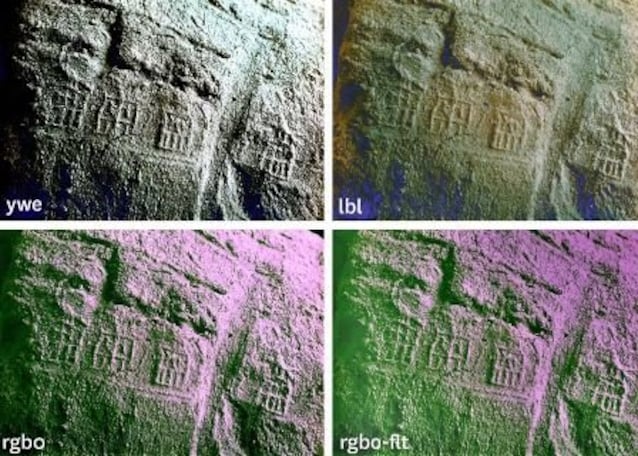
Today the problem is made more complex by disappearance of the original finds and the photographic plate. The only testimony available is one black and white photography preserved in the Egyptologist’s documentation. The authors therefore developed a digital procedure to improve the readability of the hieroglyphics: they isolated the signs, modified the contrast and inverted the colors, obtaining a clearer representation of the footprint. The result, according to Kelly and Miller, is that the signs present in the nominal part of the second and third serekh they are compatible with the main sign used to write the name of Meretneith. The presence of her name next to that of Djer would indicate that the woman she was not just a royal consortbut participated directly in the exercise of sovereignty, perhaps as co-regent, together with the possible father Djer, or with her brother-husband Djet.
His political position could also be changed over the course of life. Other seal impressions, from the king’s tomb Den (the son of Djet and Meretneith) ad Abydosbear the title of «mother of the king» referring to Meretneith. Other inscriptions connect it to management of the treasury and officials. Taken together, these testimonies suggest that he held different rolesadapting his authority to the needs of the dynasty and the position of his son Den. The authors therefore propose to do not consider Meretneith exclusively as regent of a minor ruler: she may have been recognized as sovereign in her own right in a phase of her political journey, to then exercise power as the king’s mother.
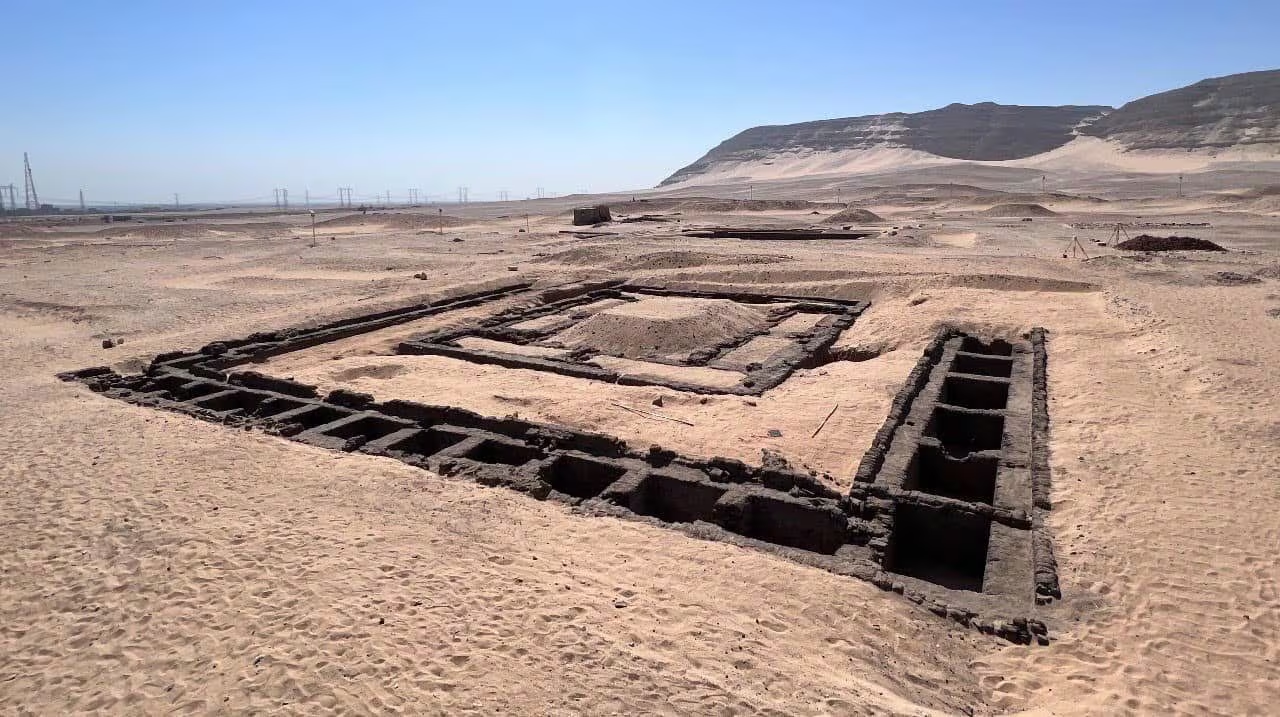
His too tomb in the necropolis of Abydos it could constitute a clue. The Meretneith tomb is in fact the only monumental one dedicated to a woman in the entire necropolis. Inside, a few years ago, archaeologists found a royal trousseauwith even hundreds of containers that they preserved traces of vineperhaps an indication of the production of wine.
The question is not definitively resolved, because the interpretation depends on a photograph of a lost artifact. However, the study in question shows how digital techniques can return information to archaeological documents that are difficult to read and reopen them the debate on women’s participation to the origins of the Egyptian monarchy.
