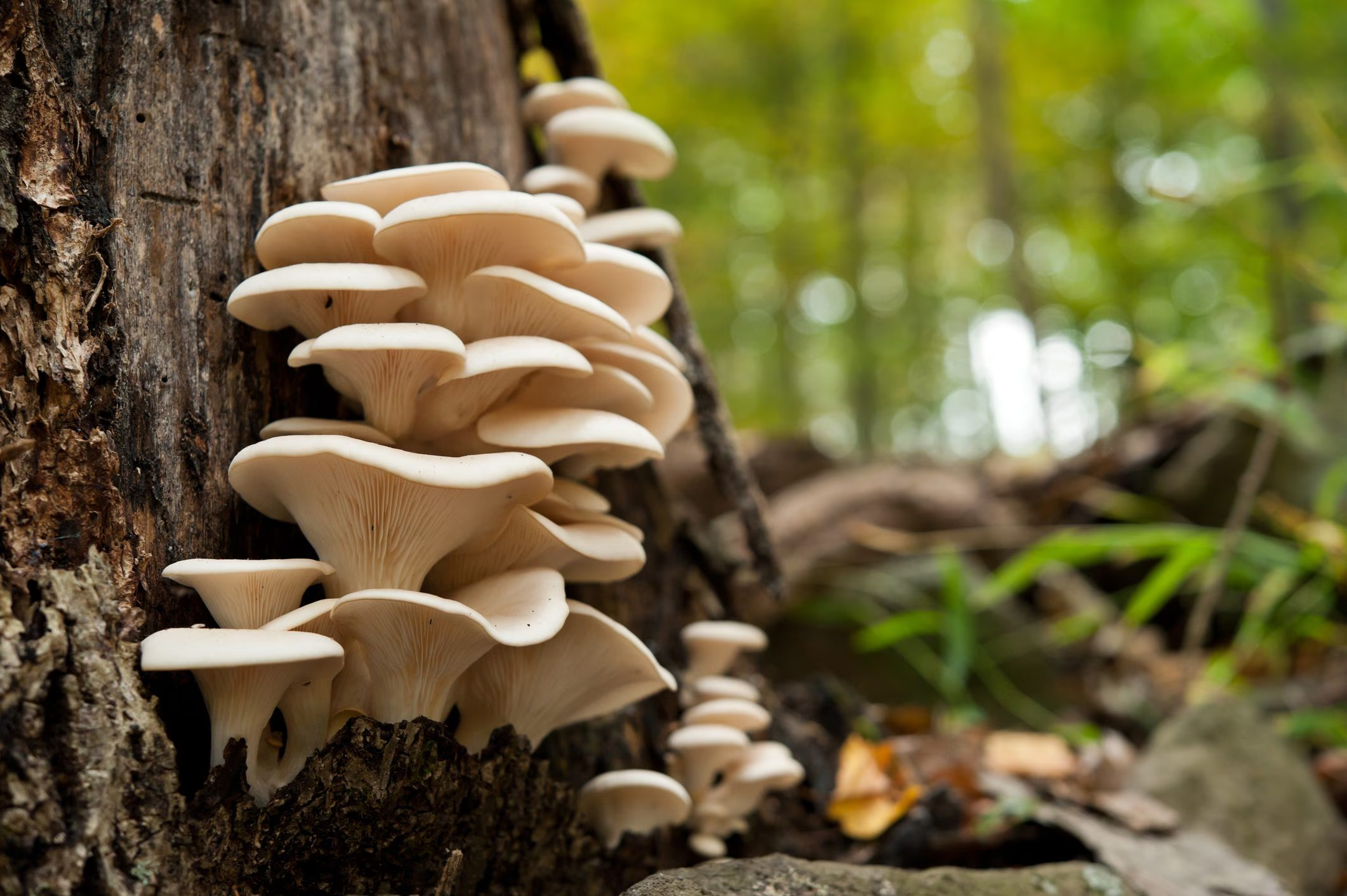
Over 700 species of fungi occasionally consume nematodes, small worms underground, attracting and absorbing them when they are starved of nitrogen. Among these is the oyster mushroom (Pleurotus ostreatus), a species that we can commonly find on supermarket shelves.
Fungi, like plants, can also be carnivores. In fact, in nature there are numerous species of mushrooms specialized inattract and digest small invertebratesin particular nematodes, microscopic worms spread everywhere underground. Mushrooms like Arthrobotrys oligospora they resort to this strategy for the same reason as carnivorous plantsor for compensate for the nitrogen deficiency.
Once trapped between the fungal filaments, the nematodes are gradually absorbed and their proteins are broken down into their fundamental components, including nitrogen. Some species are even capable of stun these worms thanks to specific volatile substances – among these we also find the municipality mumpsone of the most consumed cultivated mushrooms in the world.
How does the oyster mushroom catch nematodes
Mushrooms are mostly saprophytic organisms, which feed on the dead organic matter present on the substrate on which they are found. This makes them fundamental for all the processes of decomposition and recirculation of nutrients within the ecosystem. However, there are around 700 species of fungus that not only feed on dead matter, but also on live animalsmostly amoebae, microscopic insects and above all, of nematodes. These ubiquitous worms measuring just a few millimeters have colonized every ecosystem on the planet, and are found in enormous quantities in water and soil. Although they often go unnoticed by our eyes, nematodes are among the most widespread animals on the planet and therefore a potential food source for many other organisms.
And some mushrooms feed on it, including the Pleurotus ostreatusalso called oyster mushroomwith a typical pale gray cap and cultivated almost all over the world – we can easily find it even in the supermarket. Normally, the Pleurotus mushroom grows on the bark of trees, drawing nourishment from the plant substrate.
However, in the case of nitrogen deficiency, Pleurotus occasionally compensates its diet with nematode worms: on its underground filaments, the so-called fungal hyphae, it develops very small cysts filled with a chemical substance, the 3-octanone.
This very volatile substance, i.e. it evaporates very easily, is completely harmless to us, but it corrupts the structural integrity of the cell membrane of nematode worms, paralyzing and killing them in about a minute. The fungus’s hyphae then wrap around the worm, breaking it down and absorbing its nutrients. Several species of mushrooms, some of which are edible for us, use toxins to stun nematodes.
The traps of the Arthrobotrys fungus
However, the most widespread carnivorous mushroom known for its characteristics is l‘Arthrobotrys oligospora. Unlike the Pleurotus, this mushroom does not have a cap or clearly visible external structures, but is made up of one underground network of hyphaewhich is able to arrange in real grids with narrow mesh covered with an adhesive film.
Furthermore, the diet of Arthrobotrys is mainly based on nematodes, which it is able to attract through real traps. The mushroom notices the presence of its prey in the surrounding area by sensing the ascarosidesmolecules released by nematodes during their behavior and development.
At that point, the mushroom emits substances that simulate the reproductive pheromones of nematodesattracting them into its nets: the worm remains stranded between the hyphae, which inject subtilisin, an enzyme that degrades the cuticle and tissues of nematodes, effectively paralyzing them. At that point, the unfortunate person is gradually assimilated and digested.
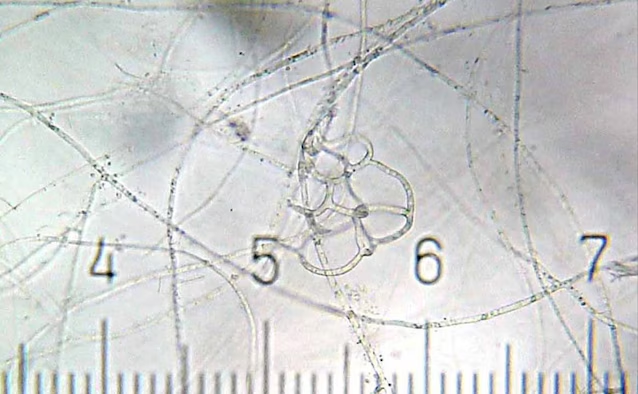
This and other species of nematophagous fungi are under consideration for use as pest control system: many nematodes, in fact, attack crops, causing extensive damage to agriculture.
Strategies to compensate for nitrogen deficiency
Carnivorous mushroom species are not all closely related to each other, and the fact that they have arrived at similar solutions to make up for nitrogen shortages is an example of convergent evolution.
Nitrogen is essential for protein metabolism, and soil poor in this substance is a problem for many species of plants and fungi. To compensate, numerous strategies have evolved to extract nitrogen from other people’s animal proteins.
Carnivorous plants like Dionea, Drosera and Nephentes they manage to survive in places with little nitrogen (i.e. marshy and constantly wet areas, where the soil is unable to retain nutrients) by obtaining it from the digestion of small insects, and have developed special odorous substances and sticky surfaces to trap them better.
But the most complex strategy is that of legumes: they developed a symbiosis with bacteria of the genus Rhizobium, capable of extract inert nitrogen from the air.
Housed in small swellings on plant roots called nodules, the bacteria exchange carbohydrates and protection for nitrogen, which the plant uses as a natural fertilizer. For this reason, edible legumes such as beans, lentils, broad beans and chickpeas are notorious rich in proteins.
