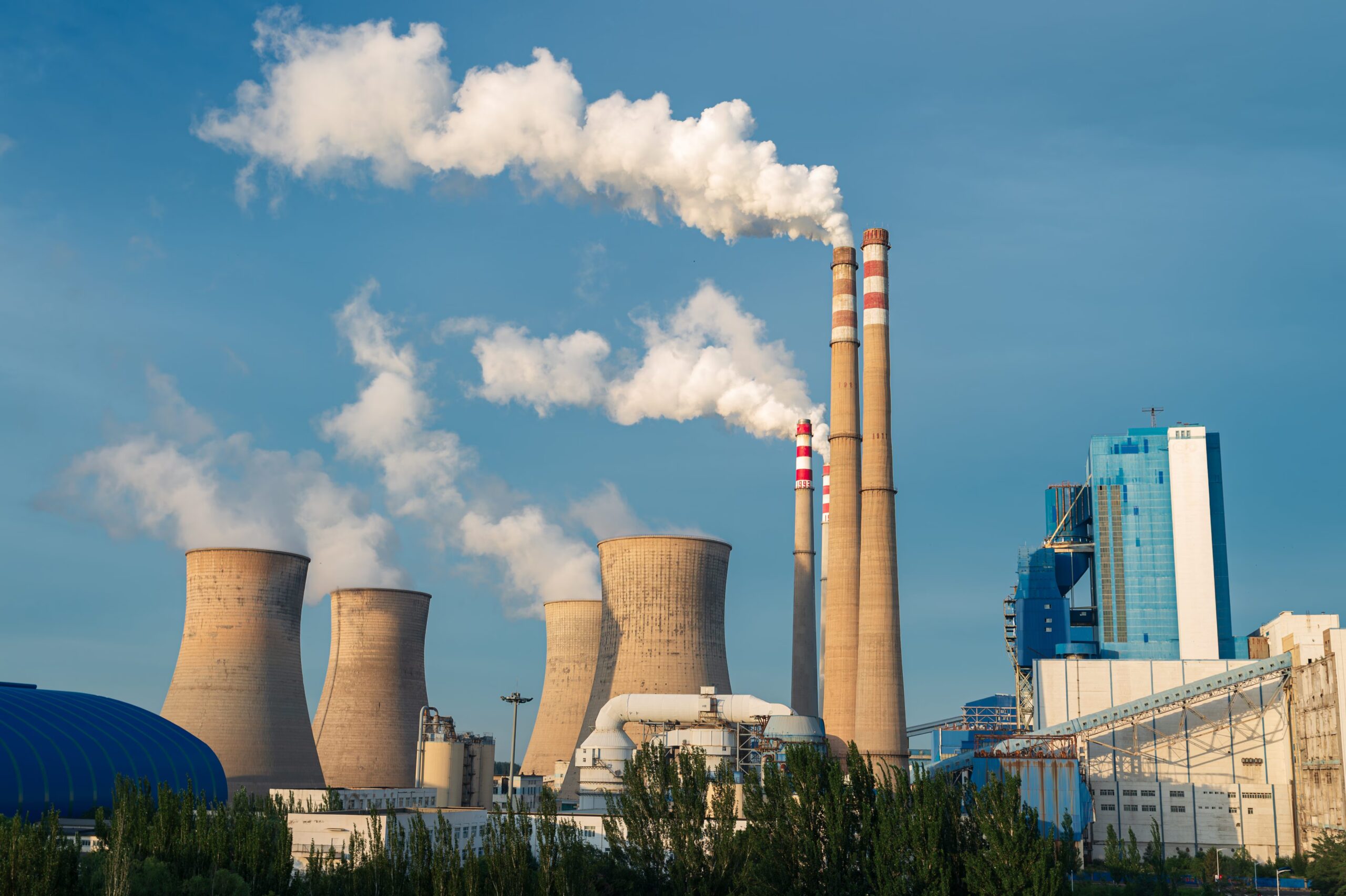
When we think about the effects of heat waves on the electricity systemthe first problem that comes to mind is almost always the same: the hotter it getsthe more we use air conditioners, the more increases electricity consumption. However, there is another, less intuitive aspect: just as energy demand grows, some power plants may be forced to reduce production. The reason is simple: to produce electricity it is also necessary cool the systems and, very often, it is necessary to do so waterfall. The problem does not only concern nuclear power plants. Coal, fuel oil and combined cycle gas plants also use cooling systems to dispose of the heat from the condenser. If the available water is insufficient or reaches too high temperatures due to the heat – as happens with rivers – its ability to absorb heat is reduced, making the temperature difference too low and forcing the power plant to reduce your power to avoid overheating.
Thermal power plants need water for cooling
In a thermoelectric power plant, heat is used to produce steam at high pressure and temperaturewhich sets in motion a turbine connected to a alternatorresponsible for the production of electricity. Once through the turbine, however, the steam must be cooled and returned to liquid stateso that the water can be used again in the cycle. This function is performed by the capacitora large heat exchanger installed downstream of the turbine. This is precisely where the water needed to cool the system comes into play.
However, the thermodynamic cycle water and the cooling water are separate. They circulate inside the power station two distinct water flows which perform different functions. The first is that of thermodynamic cycle: the water is heated and transformed into steam, passes through the turbine and is then cooled in the condenser until it returns to its liquid state. It is then pressurized and heated again, starting the cycle again. It is therefore, simplifying, about a closed loop cycle.
To condense the steam, however, it is necessary to remove a large quantity of heat from it, and this is what the second circuit is for, the one dedicated to condenser cooling. The cooling water passes through the condenser and absorbs the heat released by the steam, without mixing with the water of the thermodynamic cycle. Its origin depends on the position and configuration of the control panel: it can come from seafrom a river or circulate in a system equipped with cooling towersthe large structures often associated in the collective imagination with nuclear power plants. Cooling towers, however, they are not a technology exclusive to nuclear power: they can be used in different types of thermoelectric power plants and simply have the function of dispersing the heat removed from the cycle into the environment.
The heat problem does not only concern nuclear power plants
When, during a heat wave, we read that a nuclear power plant had to reduce production due to the high temperature of a river, it is easy to think that this is a nuclear-specific problem. In reality, from the point of view of cooling, the same principle also applies to conventional thermoelectric power plants.
The point is not so much how the heat is generated, but how the residue is disposed of after electricity production. If a power plant uses river water to cool the condenser and a severe drought hits, the stream’s flow can drop dramatically. If a heat wave arrives at the same time, that water will be even warmer. And here’s the problem: we have less water available and, at the same time, that water is less effective at cooling the plant.
Heat and drought can reduce power plant production
In condition extreme heat and droughta power plant may be forced to reduce its power or, in the most critical cases, to temporarily interrupt production. In fact, it is not possible to withdraw unlimited quantities of water or return it to a river at too high temperatures: excessive heating of the watercourse could alter its ecosystem and damage aquatic fauna. This is why they exist precise environmental limits to be respected for the temperature and discharge method of the water used for cooling.
If the cooling system is no longer able to effectively dispose of the heat produced by the power plant, one of the solutions consists in reduce its power: less electricity produced also means less heat to transfer and dissipate through the capacitor. In extreme cases, it may be necessary to temporarily shut down the system. An episode of this type also occurred in Italy, and not in a nuclear power plant. In the summer of 2026 the A2A headquarters in Chivassoin Piedmont, a large combined cycle natural gas plant with a total declared installed capacity of 1,237 MW, had to deal with the high temperatures of the water used for cooling.
In July 2026 A2A communicated a reduction of approximately 170MW of the available power of unit 1 for approximately four hours, attributable to the high temperature of the water leaving the condenser. The episode concretely shows how the problem is not exclusive to nuclear power plants: Even a modern combined cycle gas power plant can be forced to reduce production when heat limits the efficiency of the cooling system.
Why not build all the power plants near the sea?
The power plants they can use sea water for cooling they are generally less exposed to one of the main problems of plants built along rivers: the reduction of flow during periods of drought. A watercourse can in fact reach exceptionally low levels, while the sea guarantees constant availability. The electricity system, however, requires production points distributed throughout the territory and, for this reason, thermoelectric power plants have been built both along the coasts and in inland areas. This does not mean that coastal facilities are completely immune to the effects of heat.
Also the increase in sea water temperature can reduce the efficiency of the condenser and the environmental limits set for thermal discharges still need to be respected. The vulnerability of a power plant to heat waves therefore depends not only on the technology used to produce energy, but also on the geographical position and the cooling system adopted.
What could happen with temperatures around 40°C
During a strong heat wave, with temperatures reaching 38, 39 or 40 °Cthe demand for electricity is growing rapidly. Millions of people turn on the air conditioners in their homes at the same time, while the energy needs of offices, supermarkets, shops and industries also increase. Precisely at the moment in which the electricity system is called upon to provide more energy to cool buildings, however, some power plants may be forced to reduce its production due to cooling difficulties. The problem worsens if the heat wave arrives after weeks or months of drought: the river flow decreases and, at the same time, increases the water temperature. For power plants that rely on streams for cooling, this means having less water and a resource that is less effective at absorbing heat.
This creates a sort of climatic short circuit: Just when the heat increases the demand for electricity, it can simultaneously reduce the capacity of some power plants to produce it. In the most critical scenario, one could arrive at the paradoxical situation of having to limit the use of air conditioners precisely because it is too hot.
How to make the thermoelectric system more resilient to heat
A national electricity system does not depend on a single power plant. They contribute to ensuring the balance between supply and demand different production sources, storage systems, interconnections with other countries and network management tools. However, if heat waves and drought periods become more frequent and intense, the vulnerability of cooling systems will also need to be considered design of the energy system of the future. The fact that some nuclear power plants have had to temporarily reduce production during episodes of extreme heat is sometimes cited as an argument against this technology. But the problem It’s not just about nuclear power: affects more generally thermoelectric plants that depend on water for cooling.
To increase the resilience of the system, we therefore need power plants designed taking into account future climate conditions, more robust networks, storage capacity and a sufficiently diversified energy mix. Above all, it is necessary to intervene on the cause that makes these phenomena increasingly critical: the increase in global temperatures due to greenhouse gas emissions. Widespread use of fossil fuels fuels global warming, which in turn intensifies heat waves and droughts, making the production of the electricity needed to deal with them more complex. The point, therefore, is not to choose between energy security and combating climate changebut to build a system capable of guaranteeing the necessary energy without further contributing to the conditions that make it more vulnerable.
