The burp or belchingto use the medical term, is often considered an embarrassing gesture by social convention, but it is actually a shared bodily mechanism. As the Humanitas clinical institute explains, burping consists of the noisy emission of gas from the stomach through the mouth. This is a completely physiological mechanism that our body uses to relieve the abdominal pressure created by the air swallowed while eating or drinking. At a clinical level, as reported by a study published in theAmerican Journal of Gastroenterologythe mechanics of belching are divided between the actual involuntary gastric reflex and abehavioral habit known as supragastric belching. However, as the Mayo Clinic and the Cleveland Clinic experts point out, there are daily behaviors that lead us to store more air than necessary, such as eating too quickly, chewing gum or ingesting specific foods that favor this process.
Disclaimer: This article is for informational purposes only. For any medical information it is essential to contact your doctor.
What is belching and why does it happen: what Humanitas says
As Humanitas reports, belching is the expulsion of excess air present in the stomach through the mouth. It is a reflection of everything natural And necessarywhich serves to free the upper digestive tract from accumulated gases. In the medical field, as reported by a study published in Am J Gastroenterologythis phenomenon is divided into two distinct types. The first is thegastric belchinga true involuntary physiological reflex mediated by the vagus nerve. When the stomach fills with air and distends, a muscle called lower esophageal sphincter relaxes, opening the valve and allowing the air to rise and be expelled. The second onesupragastric eructation: it is instead considered a habit or behavioral response. In this case, the person sucks or pushes air into the esophagus and expels it immediately, without it ever reaching the stomach. The “voluntary burp” is part of this dynamic, which can be triggered even on an empty stomach.
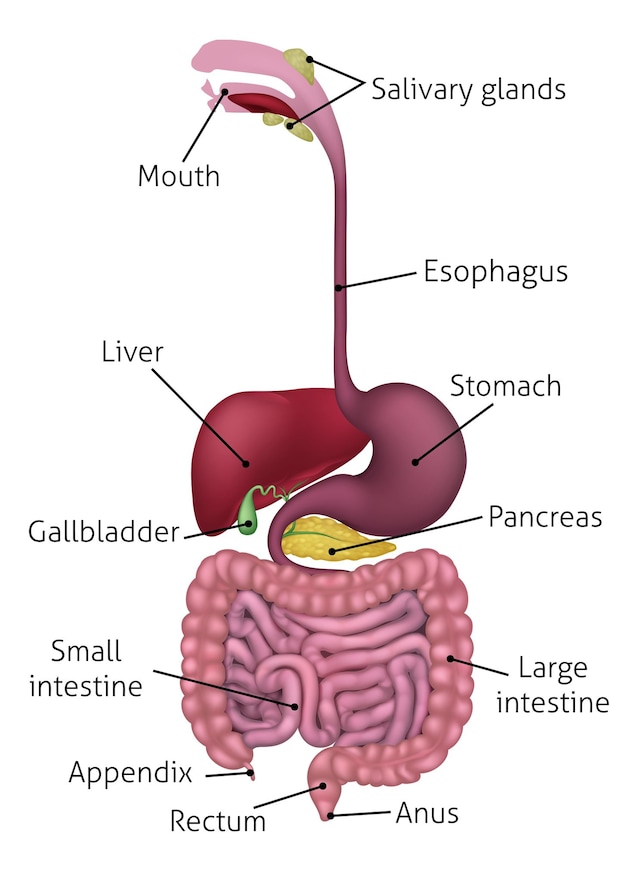
But why do we fill ourselves with air? The main cause of this accumulation (just as happens with flatulence) is that we swallow air continuously, almost always without realizing it. This gas then seeks a way out upwards and into the characteristic sound more or less powerful that accompanies the expulsion is nothing more than the vibration of the throat structures caused by the rapid passage of the air.
What promotes burping: the main factors for the Mayo Clinic
As the Mayo Clinic documents, there are behaviors and foods that favor the ingestion of air and therefore increase the frequency of belching. Eating or drinking too quickly is among the most common. The less time you spend chewing, the more air enters the digestive tract with the food. The same goes for talking while eating, chewing gum, sucking hard candy or drinking through a straw, these are all behaviors that multiply the number of swallows and therefore the amount of air ingested.
Then there are the carbonated drinks. Beer, soft drinks and sparkling water contain dissolved carbon dioxide which, once ingested, is released into the stomach in the form of gas. It is therefore not just air ingested mechanically, but gas already present in the liquid. The result, as anyone who has drunk a soda too quickly knows well, is almost immediate.
How normal is it to burp
According to the sources cited, a occasional burping (especially after a meal or a carbonated drink) is completely physiological and does not require any particular attention. Belching is simply the body’s way of releasing excess air from the upper digestive tract, it is a useful function, not a malfunction.
However, if the frequency is high or other symptoms such as heartburn or abdominal pain are present, it is always advisable to consult a doctor.
