Now let’s separate careers from free time: ministers and magistrates, go back to work
Now Prime Minister Giorgia Meloni knows that, at least on justice reform, she no longer has the majority of Italians. But for goodness’ sake: don’t resign. We just need to remain without government in times of wars and energy cataclysms. If Matteo Renzi did it in 2016, worse for him. But now stop wasting time with the highest systems: justice reform, electoral law, the premiership. Use the democratic tools that have been given to you and please govern. I mean, go back to work.
How sad are the magistrates’ parties
The same goes for the magistrates: how sad the images of the celebrations, the chants against Meloni, the uncorked bottles. Article 1 of the duties of the magistrate, paragraph 2: “The magistrate, even outside the exercise of his duties, must not behave, even if legitimate, which compromises the personal credibility, prestige and decorum of the magistrate or the prestige of the judicial institution”.
The ANM is instead appropriating a victory that does not belong to it. Just as it does not belong to Elly Schlein, Giuseppe Conte and the faithful bloodhound Angelo Bonelli. They didn’t win: the Italian Constitution won, as it was conceived, formulated, approved on 22 December 1947 and adopted on 1 January 1948. This is what 53.74 percent of Italians voted for. Not the wide shot. And not even the restricted one of the robes.
Ministers on election holiday every year
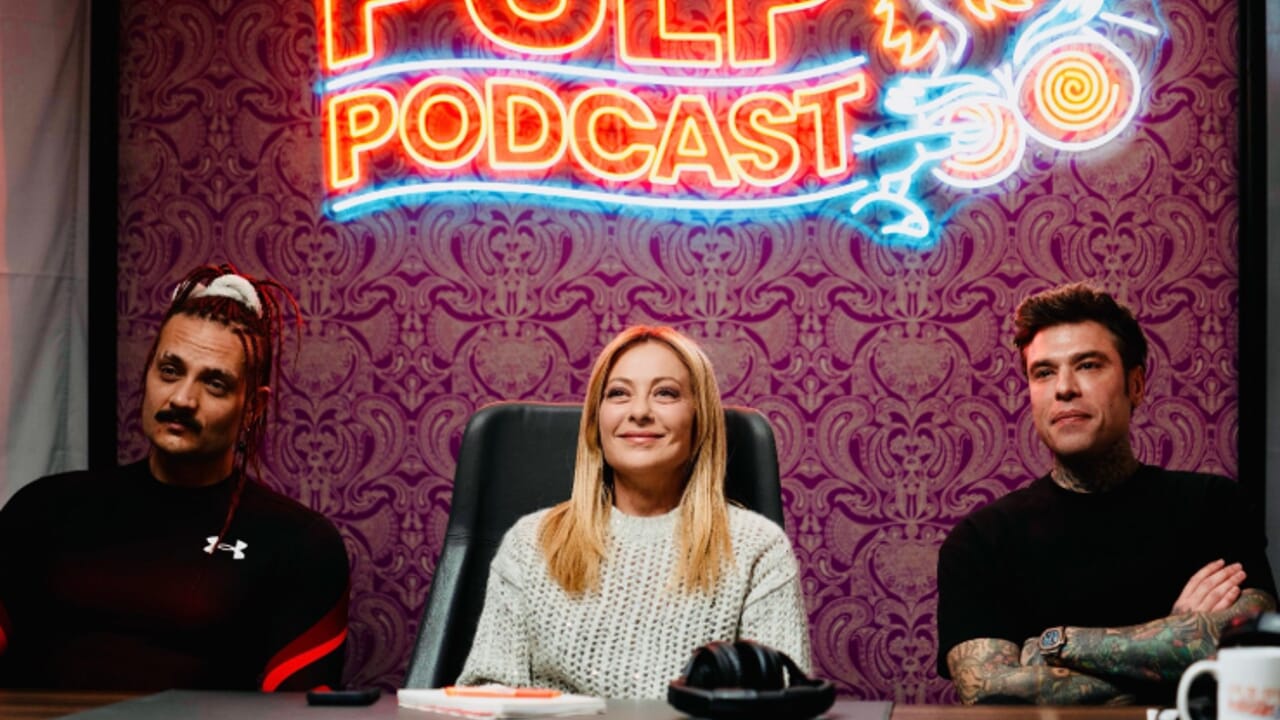
If the Council of Ministers (photo above, the day of the oath at the Quirinale) didn’t know where to start again – discouraged by a defeat that seemed impossible – a proposal on the agenda is given by the price increases of recent days. If you don’t know what to do, deal with the cost of energy and measures to lower its cost for businesses. The bill decree has already been pulverized by the effects of Donald Trump’s kamikaze war in the Persian Gulf. Or, if you really want to reform justice, start again with hiring: 1,400 magistrates (15% of the workforce) and 5,000 administrators are missing.
Of course, for those who love politics, contact with voters, the streets, electoral campaigns are a passion. Travel, hotels, selfies. Better than the austere ministerial rooms. This applies to any government. But one tour a year is too much. 2023: regional and administrative elections. 2024: European elections. 2025: referendum promoted by regional councils, CGIL and associations. 2026: referendum on justice. Then there is the future. 2027: political elections.
And who takes care of Italy?
We talk about an Italian company, made in Italy, meritocracy. But can you imagine what would happen to any Italian company if its directors stopped operations for a certain number of weeks a year outside of holidays? In the last month it has been the refrain on every project, commitment, agenda in all the corridors of Roman power: we’ll talk about it again after the referendum. So the ministers now have a few months of work left before the next elections. Then back to the square, to hold rallies, shake hands, cultivate consensus. And who thinks about Italy?
Giorgia Meloni should begin to reflect on what she will be remembered for in her first term as prime minister. One thud after another: the Mattei plan disappeared from the radar, hundreds of millions spent in Albania on useless sheet metal cells, our friend Trump out of control, now the knockout of the referendum. You decide. In the meantime, it is worth returning to reflect on why an instruction manual, the list of rules that came into force on January 1, 1948 – our Constitution – defeated even this latest attempt to change them. Comparison with the past is a must.
From Parri and Lollobrigida: the (ruthless) comparison
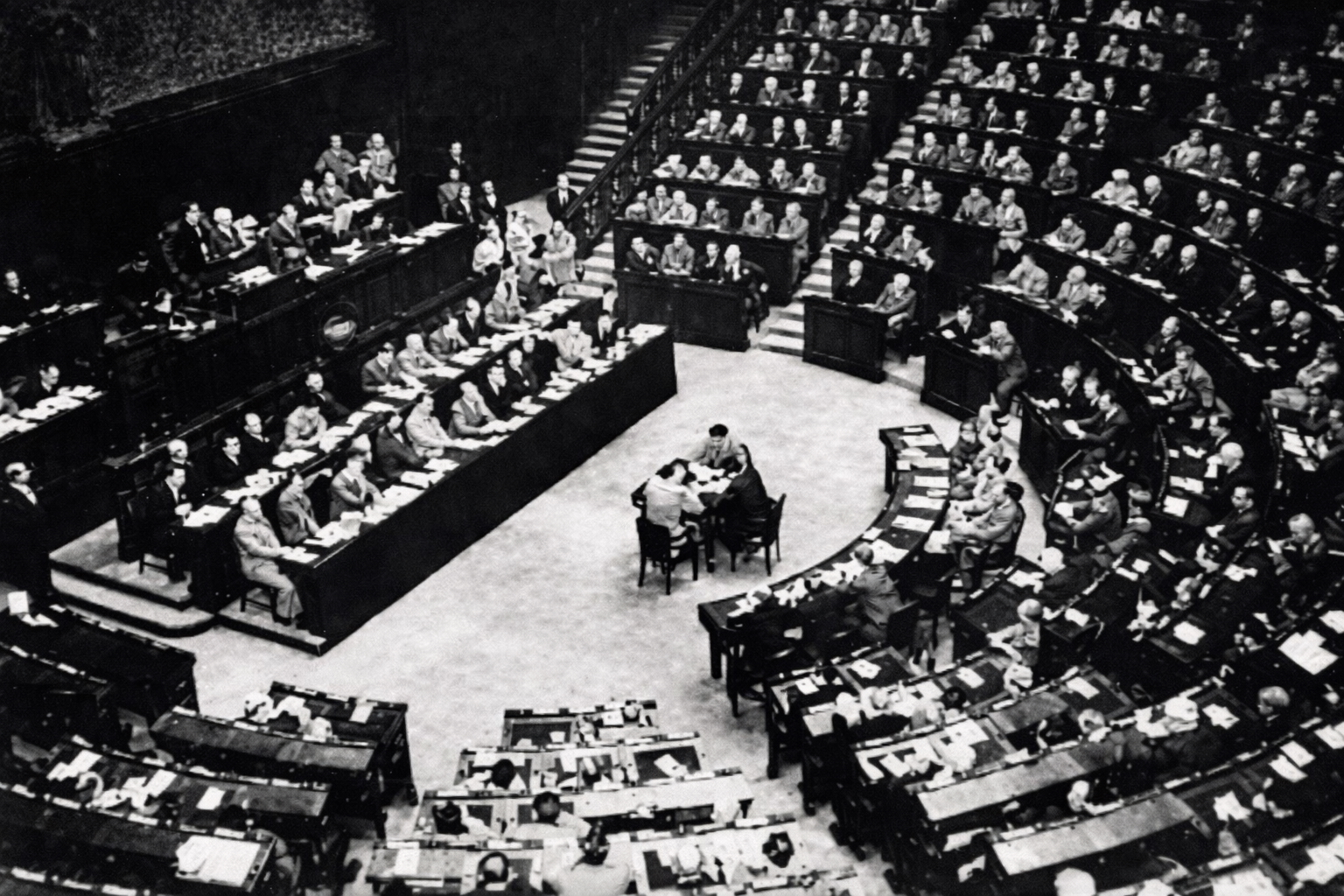
The then Constituent Assembly (photo above) was made up of men and women like Lelio Basso, Piero Calamandrei, Benedetto Croce, Giuseppe Di Vittorio, Giuseppe Dossetti, Luigi Einaudi, Vittorio Foa, Nilde Iotti, Girolamo Li Causi, Emilio Lussu, Teresa Mattei, Lina Merlin, Aldo Moro, Costantino Mortati, Ferruccio Parri, Sandro Pertini, Umberto Terracini and Ignazio Silone, as Fabio Repici, Salvatore’s lawyer, recalled a few days before the vote Borsellino in the trials on the Cosa Nostra massacres and a profound expert on Italian judicial history.
Until Sunday 22 March – in an attempt to reform the Charter written by Calamandrei, Croce, Di Vittorio, Dossetti, Parri… – Giorgia Meloni has put in place Matteo Salvinithe brother-in-law Francesco Lollobrigidathe friend Daniela Santanchéthe undersecretary Alfredo Mantovanountil Maurizio Gasparri And Carlo Nordiowith external support from his chief of staff, Giusi Bartolozzi. The mirror of the times.
Calamandrei’s words. And by Giusi Bartolozzi
Piero Calamandrei explained what it was like this: “The Constitution is a piece of paper: I drop it and it doesn’t move. For it to move, we need to put the fuel back into it every day, we need to put in the commitment, the spirit, the will to keep these promises, our own responsibility” (Milan, Salone degli frescoes of the Humanitarian Society, 26 January 1955).
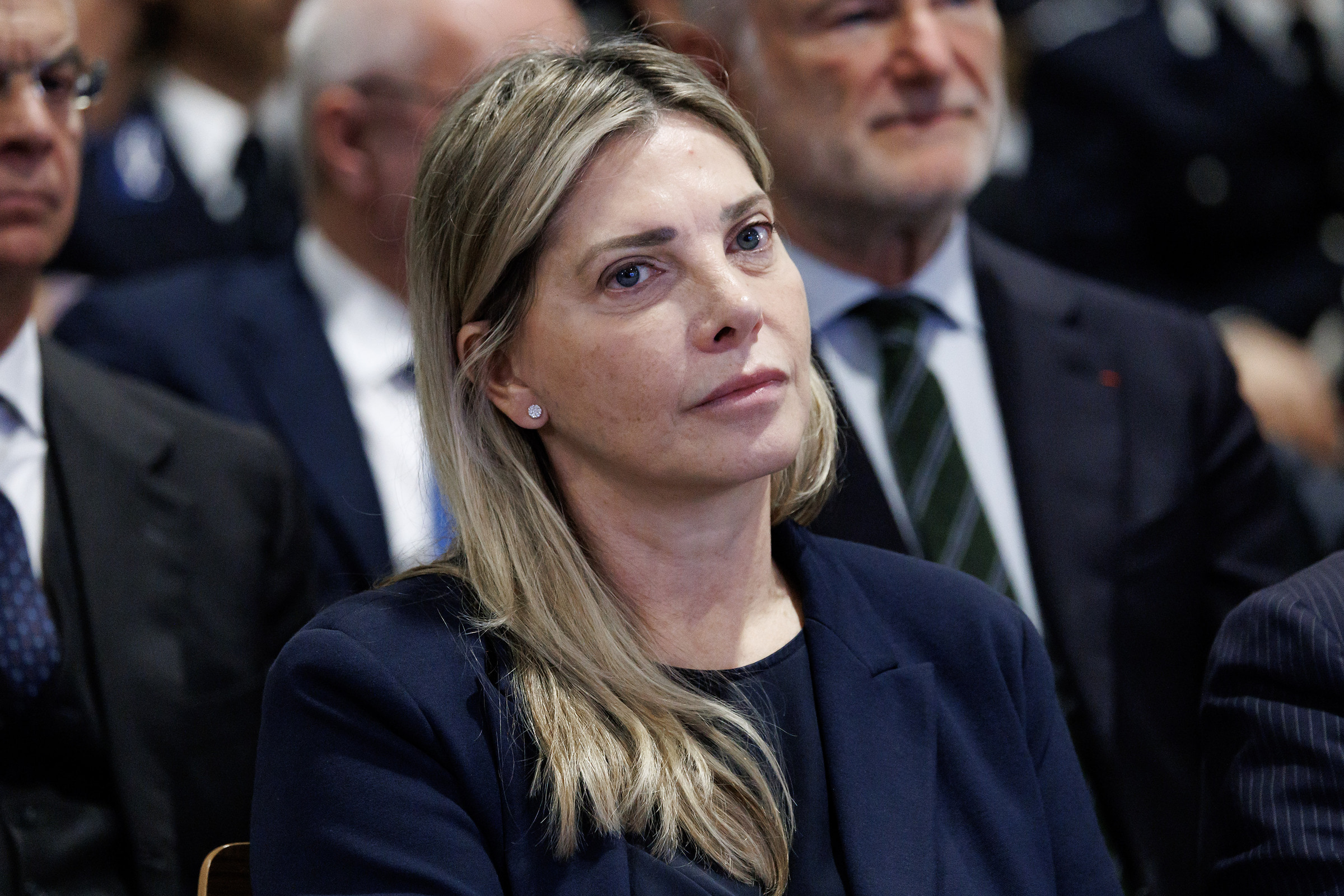
Giusi Bartolozzi (photo above), magistrate, member of Forza Italia and currently under investigation for false statements to a magistrate, also contributed – as Calamandrei did – to defining the purposes of the new articles of the Constitution, just as Minister Nordio for whom he works would have wanted to reform them. “Vote yes and we will get the judiciary out of the way – Bartolozzi declares on live TV -. They are firing squads: firing squads” (Telecolor, television studio, 7 March 2026).
Minister Nordio’s disinfectant
Even Minister Nordio, during the referendum campaign, seemed to want to demonstrate the same commitment and sense of responsibility. Except when the Attorney General of Naples, in his full constitutional rights, had recalled a historical fact: the Meloni government’s reform on the separation of the careers of magistrates (now rejected by the Italians) recalls the plan of the head of the P2 Lodge, Licio Gelli, the freemason identified in the trials as the instigator, financier and organizer of the massacre at the Bologna station (85 dead, 2 August 1980). A coincidence that perhaps the minister did not like: “That magistrate has my utmost contempt – are his words -. I would never shake his hand, I would have to use disinfectant.”
Today Nordio, who like Bartolozzi and Mantovano is a magistrate enrolled in the center-right – a normal fact given that the law does not separate the life of magistrates from politics – accept graciously the defeat: “I note with respect the decision of the sovereign people… We are consoled by the high participation in the vote, which confirms the solidity of our democracy.”
How magistrates and lawyers voted – by Fabrizio Gatti and Riccardo Pieroni
The solidity of democracy, precisely. The rush to vote of Generation Z, young people between 18 and 28 years old. A reader from Milan wrote this to uisjournal.com in a comment that reached the editorial office: “The only ones who haven’t understood it are the politicians, who are still convinced that the people have given them the ‘vote’. That’s what scares me the most: for them we are not thinking people, we are just the electorate. I am however happy about one thing: it wasn’t a political vote. Everyone voted with their own mind. Regardless of Yes or No. Neither the right nor the left won: we won”.
Read Fabrizio Gatti’s other editorials and investigations on uisjournal.com
