
Enter into an audio or video conversation on WhatsApp even if you are not registered it could become possible. The Meta platform is in fact working on a new mode designed for Allow someone who doesn’t have an account to join a call initiated by someone else.
The idea is to make access to this type of communication more immediate even for those who do not regularly use WhatsApp. However, this is not a completely new concept for the service. In recent months, in fact, the experimentation of guest chats began, which allow you to exchange messages with an unregistered person via a link opened in the browser.
How WhatsApp calls will work without an account
To understand what will change, it is best to start from a function that WhatsApp already offers: i links to calls. Anyone who uses the service can create a connection, choose whether to start a voice or video conversation and then share it with other people. Currently, however, to participate you need to have a WhatsApp account.
The novelty concerns precisely this passage. Whoever receives the link will be able to open it and participate as a guest via WhatsApp Webwithout having to register or install the app. The service already allows you to make audio and video calls directly from the browser, but in this case the web session will also serve to allow access to a person external to the platform.
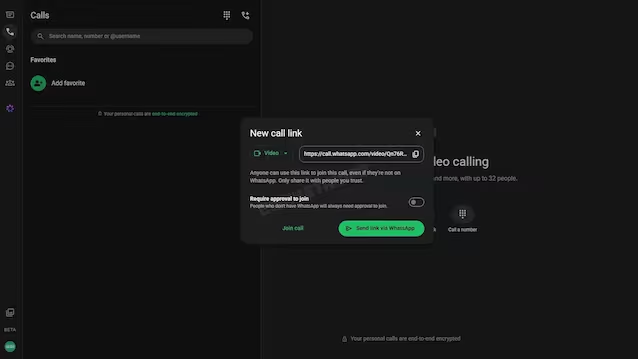
Entry, however, will not be automatic. Before actually participating in the conversation, the host will have to be manually approved by the organizer. In normal call links this verification can be requested by the person creating the link; for guests without accounts, however, it will be mandatory.
Then there is another practical reason. A link can be forwarded, copied, or reach someone it was not originally intended for. Anyone who comes into possession of it could therefore try to use it. Leaving the person who created the call the ability to authorize each new participant helps reduce the risk of access by uninvited people.
How calls will be protected: A unique identifier
The absence of a profile could suggest that the communication is less protected than a normal WhatsApp call. In fact, this mode will also use the end-to-end encryptionthe system used by the platform to ensure that the content of conversations is accessible only to participants.
The most interesting part is how this protection can work without an account. When the guest opens the link, WhatsApp Web generates a unique identifier associated with the sessionwhich is used in the process of creating the cryptographic key needed to encrypt the communication.
In simple terms, to encrypt the data exchange it is not essential to have a permanent identity on the platform: a temporary reference valid for that specific call may be sufficient. In this way the communication will remain protected from end-to-end encryption even in the presence of a guest.
A similar principle is used for guest chats, where a temporary identifier is generated to allow communication even for those who do not have an account. In this case, however, the mechanism will be linked to the single audio or video session.
The organizer will also maintain some control tools: he will be able to remove a participant and prevent them from rejoining or, if necessary, end the call for everyone. These are particularly useful functions when among those present there are people who cannot be recognized through a normal WhatsApp profile.
What those who participate as guests can do
Signing in without an account will not be the same as using WhatsApp like a normal user. Whoever receives the invitation will be able to take part in the single call via the link received, while creating the connection and managing the entrances a WhatsApp profile will continue to be required.
It will be about temporary accesstied to the call you were invited to and without the normal features associated with an account. A method that could be useful in occasional situations, for example when someone who does not usually use the service needs to participate.
When WhatsApp calling will be available for guests
At the moment there is no release date. The function is still under development and it hasn’t even been made available to beta testers, so it’s not enough to install an experimental version of the app to try it. WhatsApp has not yet indicated when guest access might arrive in the stable version.
The details described therefore refer to the functionality as it appears at this stage. Until wider distribution begins, it is not possible to know whether the interface and access methods will remain identical in the version intended for the public.
