A cupboard containing personal care items, children’s amulets, lead weights and 38 coins was found in Pompeii. The discovery, perhaps linked to the female sphere, offers a glimpse of domestic life before the eruption of 79 AD
A wooden wardrobewith his content still partly recognisable, it was brought to light during excavations in one domus from the Royal IX Of Pompeii.
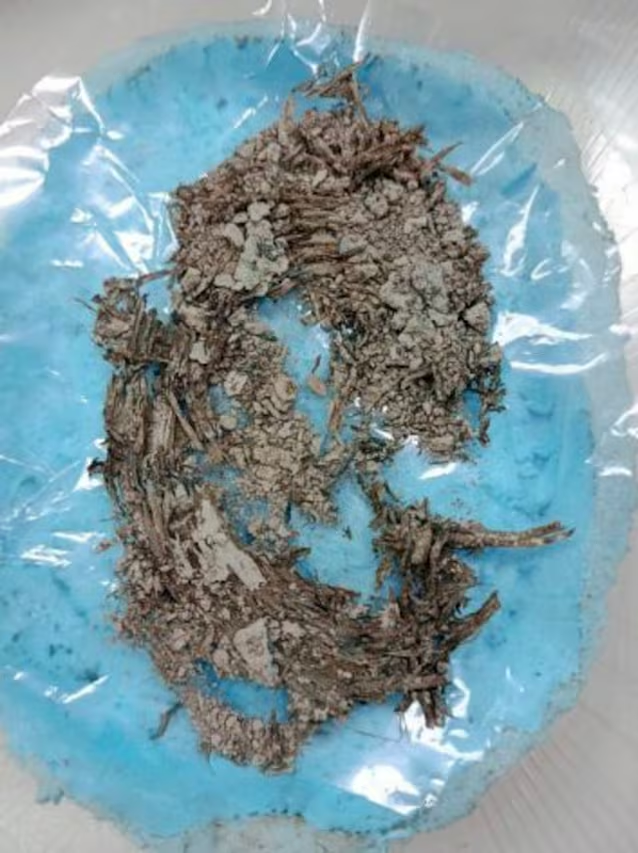
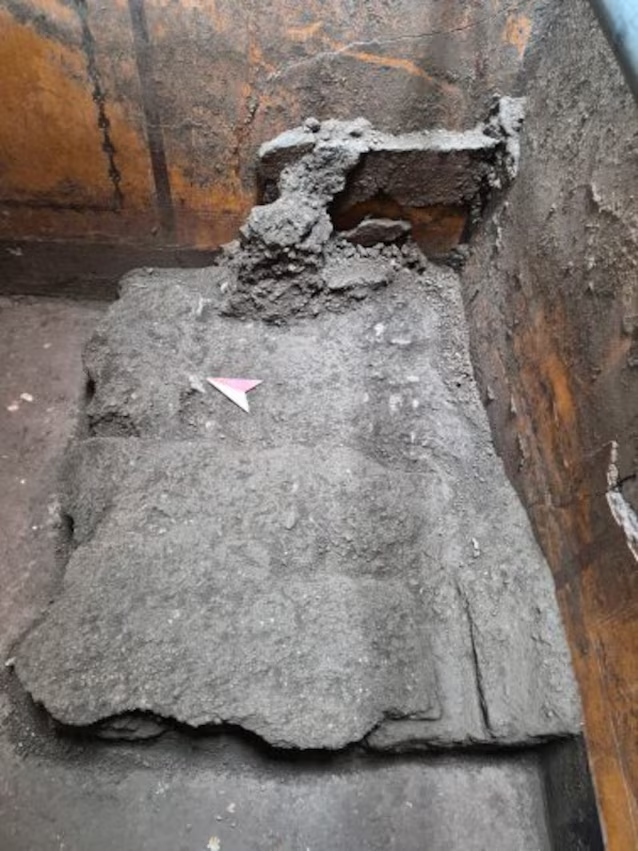
The piece of furniture, which can be perfectly reconstructed thanks to the excavation data, was located in the central area of the city (in house IX 11), and was identified in room B of the house traditionally attributed to Cornelius Maximuswas located in a corner of the room and was reconstructed by archaeologists thanks to the footprints left in the volcanic deposit. The collapse of the roof and the arrival of the pyroclastic flow caused its failure, but also contributed to conserve it a significant part. Several have been recognized within it objectstraditionally associated with feminine sphere in the Roman world. The news was published in the newspaper of the Pompeii excavations.
The structure of the wardrobe was divided into shelves and had at least two bodies arranged at an angle. They were kept inside bronze, glass and ceramic containers, a lamp, a perfume burner and various objects related to personal care. Among the latter include a balsamary in glassone bronze tweezers and one small slate slab used for dilute cosmetic pigments. They are materials that suggest practices related to toiletbut they don’t allowon their own, to identify who used the mobile.
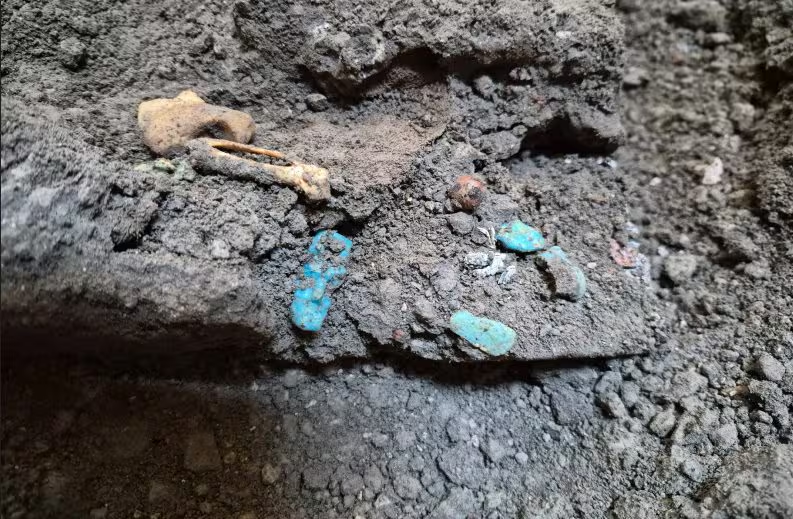
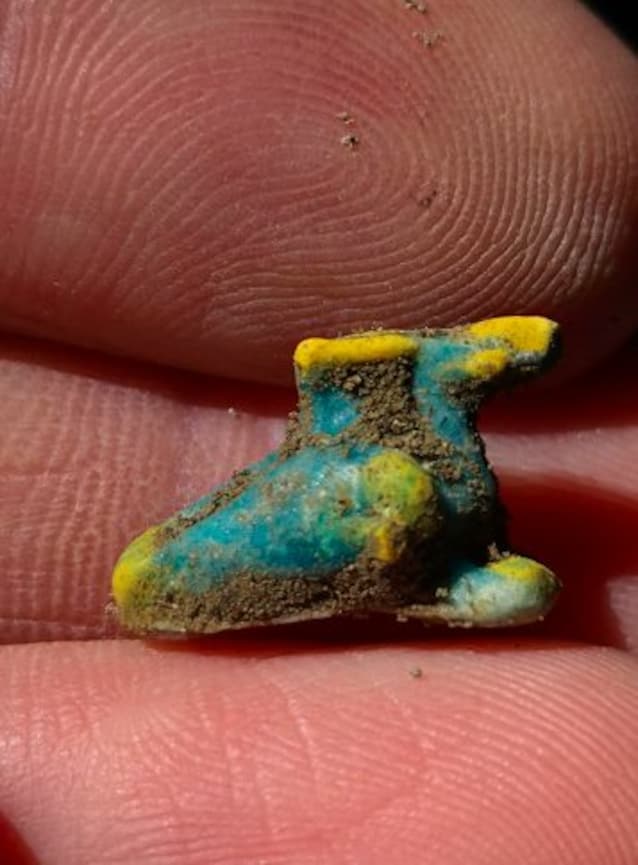
One of the most interesting findings consists of twenty-four small objects preserved in a cloth bag, of which some traces remain. Made of different materials, including faiencebone, glass paste and rock crystalpresent holes to be hung and can be interpreted as crepundiathat is to say pendants and amulets associated with childhoodto which they could be attributed protective and identity functions. Children wore them on a string over their shoulders or around their necks. Those found in the wardrobe present a very iconographic repertoire varied. Divinities appear among the recognized representations Bes (Egyptian and Levantine deity associated with childhood and pregnancy) e Mercuryhands, feet, vegetal elements and vague necklaces. THE crepundia found could have belonged to a child related to the owner of the wardrobe, or even been a childhood memory of the same.
One was then found in the same piece of furniture wooden box containing eight lead weightsperhaps linked to professional or commercial activities. Not far away there was a small woven basket with thirty-eight bronze coins. Most were minted during the principality of Nerowith a particular concentration of datable emissions to 65 AD The deposit may have represented a reserve of money intended for daily expenses.
The presence of these objects, however fascinating, does not allow us to reconstruct with certainty the story of the inhabitants of the house. We don’t know if they managed to escape before theeruption of 79 AD without being able to return to recover their assets, or if they died during the catastrophe. The traditional attribution of the building to Cornelius Maximus is also considered by scholars doubtful.
Undoubtedly, the finding however returns one cross-section of Pompeian domestic life: a set of tools, everyday objects, money and small amulets which, left in the cabinet at the time of the eruption, document the relationship between the inhabitants and the goods they guarded, as also underlined by the director of the Park Gabriel Zuchtriegel:
The value of this discovery lies in the possibility of reading together the different traces of a life: personal habits, work, memories. We cannot reconstruct with certainty the identity of whoever lived in the house, but these fragments bring us closer to their daily life.