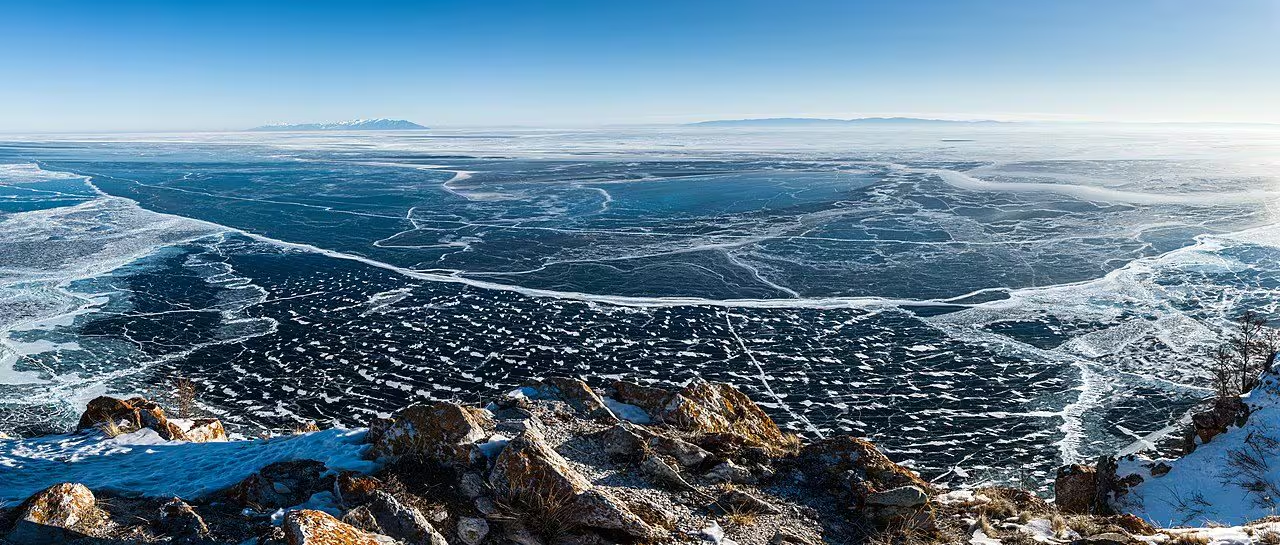
When we think about the deepest places on the planetour mind immediately flies to the Mariana Trench or the ocean depths. Yet, even on land there are real abysses of fresh and salt water. But how do lakes reach such great depths? The answer is almost always one: la geodynamics. Most of these basins are nothing more than the result of enormous cracks in the earth’s crust – rift valleys – or colossal volcanic collapses. The first place in the ranking goes to the lake Lake Baikal in Russia (1,642 m), let’s see who occupies positions from second to tenth.
The 10 deepest lakes in the world
Lake Baikal (Russia) – 1642 m
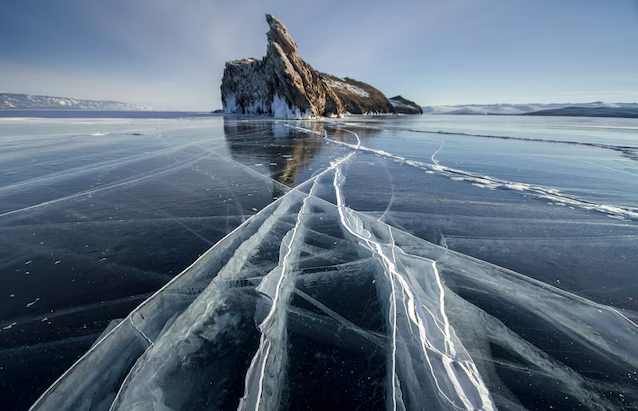
The undisputed king of the lake depths is found in Southern Siberia. Baikal is not only the deepest lake in the world at 1642 m, but it is also the oldest – around 25 million years old – and the one with the largest volume of fresh water: it contains around 20% of all the unfrozen fresh water on the planet. A real ocean in the making!
Lake Tanganyika (Africa) – 1470 m
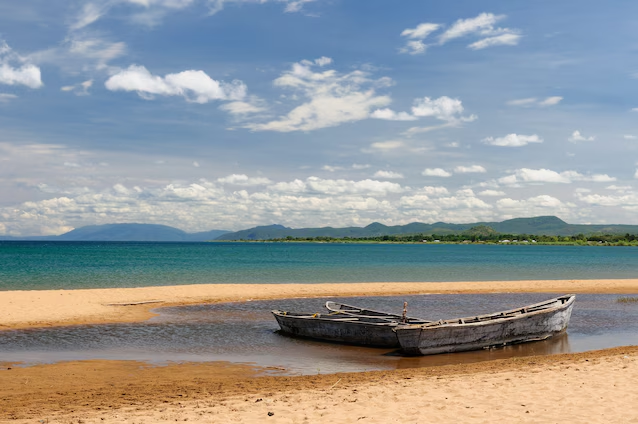
Also along the African Rift Valley we find the Tanganyikathe longest freshwater lake in the world 673 km. Its deep waters are almost totally devoid of oxygen (anoxic) below 200 m, which makes the depths a hostile but geologically fascinating environment.
Caspian Sea (Eurasia) – 1025 m
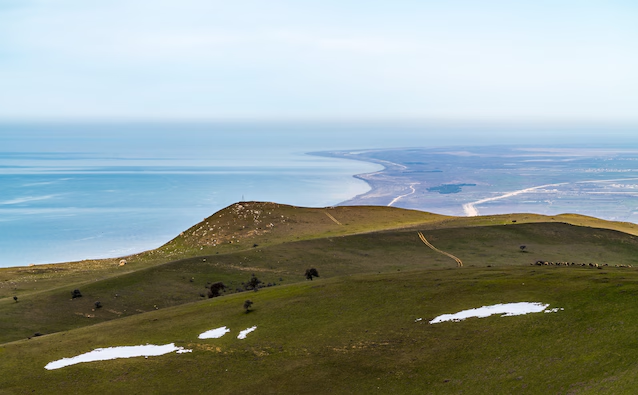
Bronze medal for Caspian Sea which, despite its name, from a geological point of view is in all respects the largest lake on the planet by surface area. Its southern part sinks more than a kilometer, and its water is brackish (about a third of marine salinity).
Lake Vostok (Antarctica) – 900 m
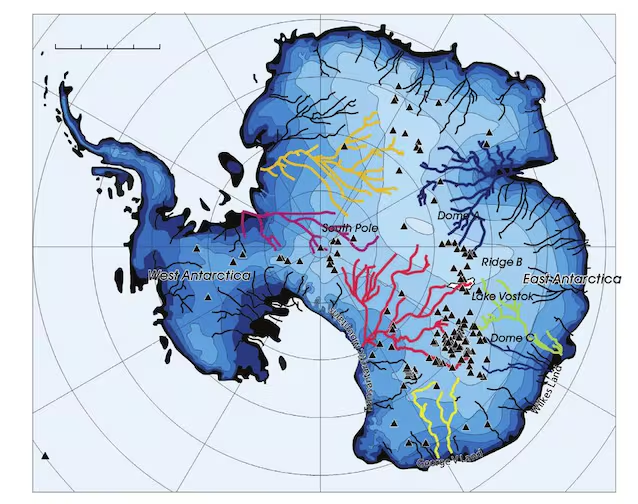
This is perhaps the most mysterious lake in the world. It is a subglacial lake: it is trapped beneath it 3.7 km of Antarctic ice. Despite the pressure and the total absence of sunlight, scientists hypothesize the presence of microbial life forms that have been isolated for millions of years.
Lake O’Higgins-San Martín (Chile/Argentina) – 836 m
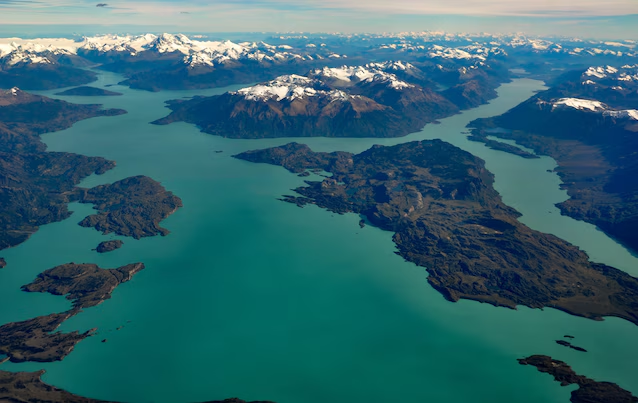
Nestled among the Patagonian glaciers, this lake has a characteristic arm shape and is fed by the melting of the surrounding ice. The strong presence of glacial flour suspended in the water gives the lake a characteristic milky turquoise colour.
Lake Malawi (Africa) – 706 m
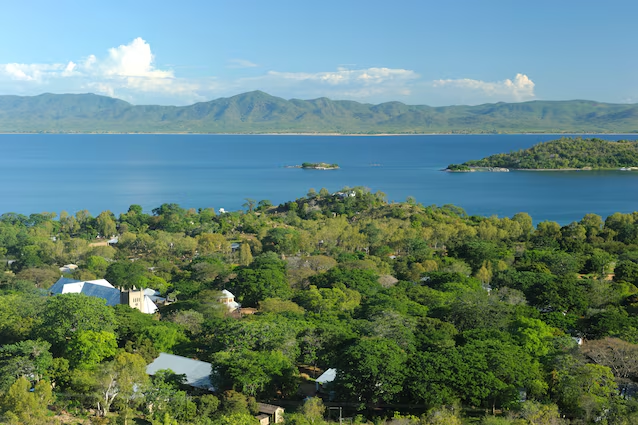
This giant is part of the East African Rift, the gigantic tectonic rift that is slowly dividing the African continent in two. It is a true cradle of evolution: it is home to more species of fish (especially cichlids) than any other lake in the world.
Issyk-Kul Lake (Kyrgyzstan) – 668 m
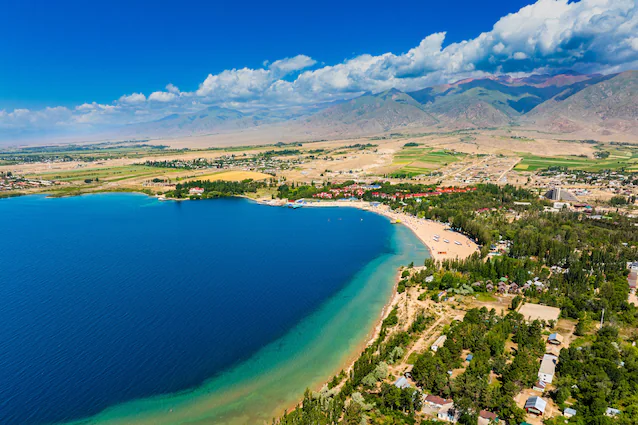
Located between Tien Shan mountainsits name in Kyrgyz means “warm lake”. Even though it is further away 1600 m altitude and surrounded by snow-capped peaks, this saline lake never freezes during the winter, thanks to its salinity and deep thermal activity.
Great Slave Lake (Canada) – 614 m
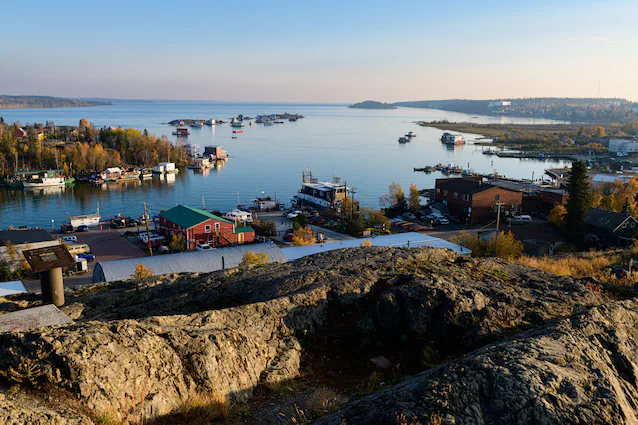
We move into the cold territories of Canadian Northwest. The Great Slave Lake lake basin, in addition to holding the depth record in North America, has an origin mainly linked to the erosive action of glaciers during the last glaciations, which literally dug the deep rocky terrain.
Crater Lake (USA) – 594 m
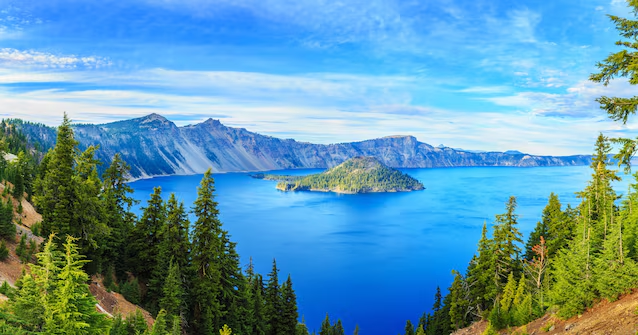
This lake is a geological wonder located in Oregon. It is not found in a plain, but inside it Caldera of Mount Mazamaa volcano that collapsed about 7,700 years ago following a frightening eruption. Fed only by rain and snow, it has extremely pure waters of an almost unreal cobalt blue.
Lake Matano (Indonesia) – 590 m
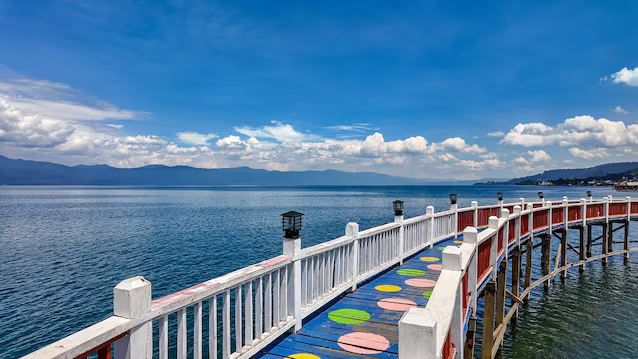
We begin our ranking with this jewel of tectonic origin located on the island of Sulawesi. Besides being deep well 590 mMatano is famous for its incredibly crystalline waters and for hosting a unique biodiversity, with many endemic species found nowhere else on Earth.
