The SS United States, the world’s fastest ocean liner and larger than the Titanic, will be sunk in Florida in November 2026 to become the largest artificial reef on the planet. After careful reclamation, the wreck will create a new habitat for marine wildlife and attract diving tourism.
After being the fastest ocean liner in the world, the SS United States is ready to become the largest artificial coral reef in the world. Launched in 1952, “La grande U”, will be lowered to the seabed of Gulf of Mexico the second week of November 2026, approximately 22 nautical miles southwest of Destin-Fort Walton Beach, in Florida. But why should sinking a historic ship be good for the sea? Okaloosa County, which is managing the operation, has a dual objective: on the one hand to create a favorable environment for the development of marine flora and fauna and on the other to attract divers and fishermen, bringing benefits to the local economy.
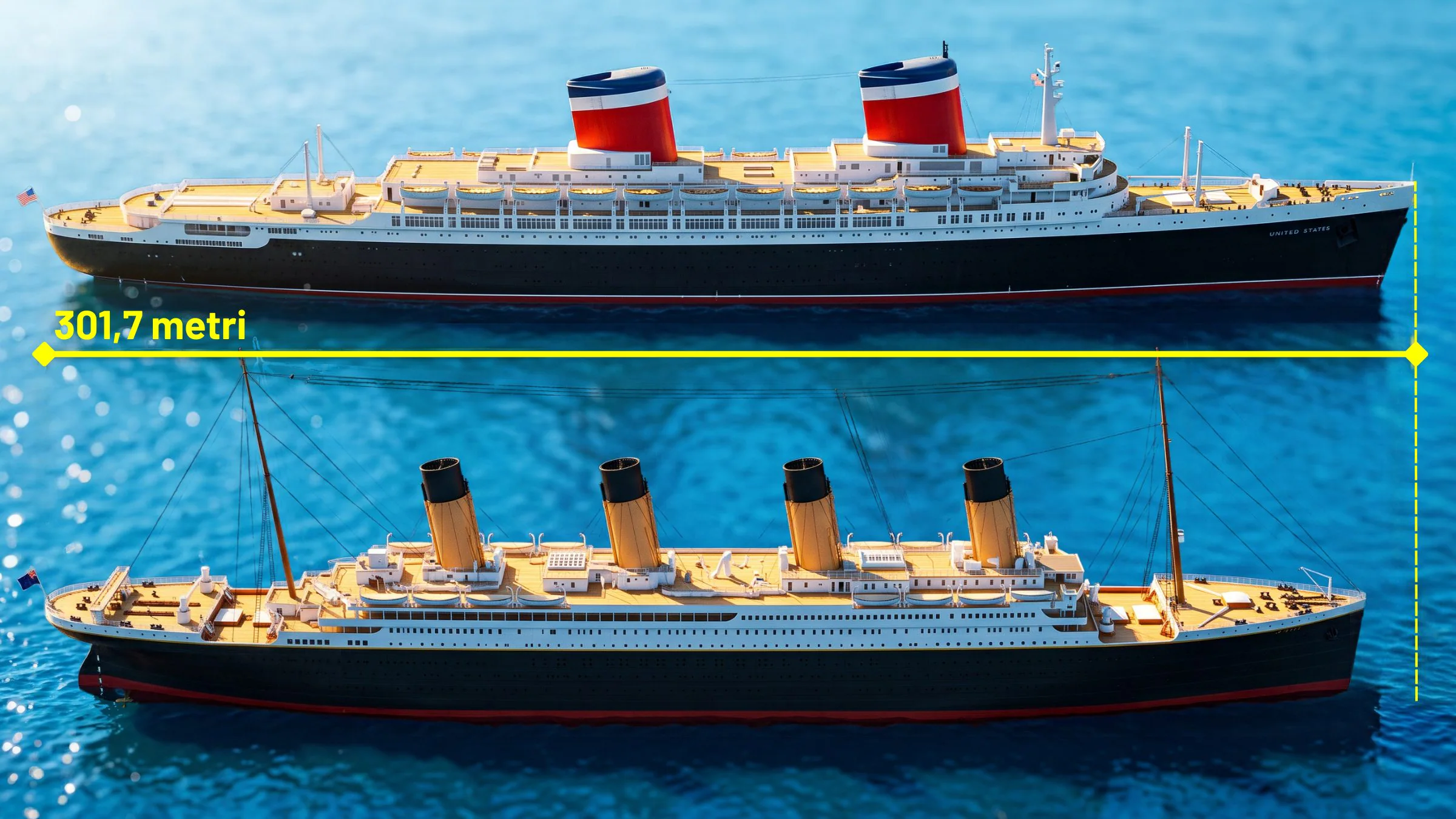
The SS United States, docked in Philadelphia for 30 years, is almost long 300 meters (30 meters more than the Titanic) and weighs approximately 47,000 tons. On its maiden voyage in 1952 it won the Blue Ribbon, the award for the fastest Atlantic crossing, completed in just 3 days, 10 hours and 40 minutes. A record he still holds today as he prepares to write another.
Okaloosa County (Florida), in fact, is completing the reclamation and cleaning operations of the vessel for launching. During these operations, chemical substances, cables, plastic and glass that would pollute the water are removed. Furthermore, holes are drilled in the hull in order to lower “America’s flagship” vertically to the seabed and create openings for marine fauna. Once in position, it will be placed at a depth of 55 metres, offering the possibility of exploration by divers of all levels as the upper deck will be just 17 metres. THE two smokestacks (classic ship chimneys) of 20 meters andradar tree they were removed to avoid interference with maritime navigation.
The SS United States is not an isolated case, there are several examples of artificial coral reefs in the world. As NOAA (the US oceanographic agency) explains, these are man-made structures that imitate the characteristics of a natural reef. Among these, submerged wrecks represent the most common form but bridges, oil platforms and offshore structures are also used. Much of the coastal seabed is flat sand, an almost deserted submerged habitat because it offers no handholds. A wreck introduces a hard substrate on which part one chain colonization: first organisms such as sponges, corals and barnacles, then fish that find shelter there. The result is an increase in local biodiversity in otherwise unrelieved areas. As a bonus, an artificial reef lures divers away from fragile natural reefs, reducing human pressure on them.
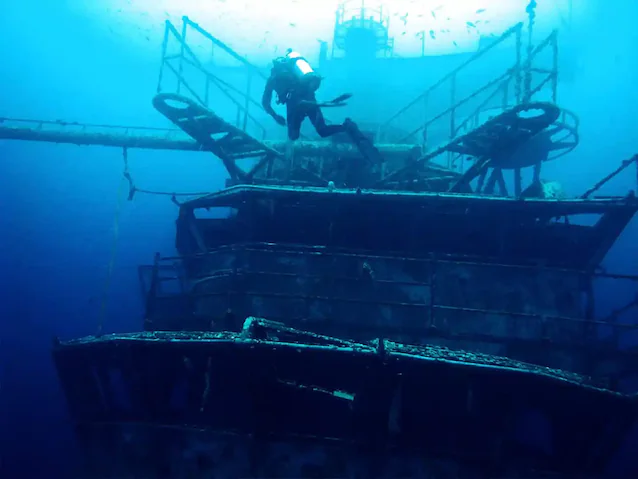
Among the most famous examples are: the USS Oriskanyan aircraft carrier that sank in 2006, the current record holder for the largest artificial reef (a record that will pass to the SS United States) and the USNS Vandenberga former Cold War spy ship that sank in 2009 off Key West, now the second largest artificial reef in the world.
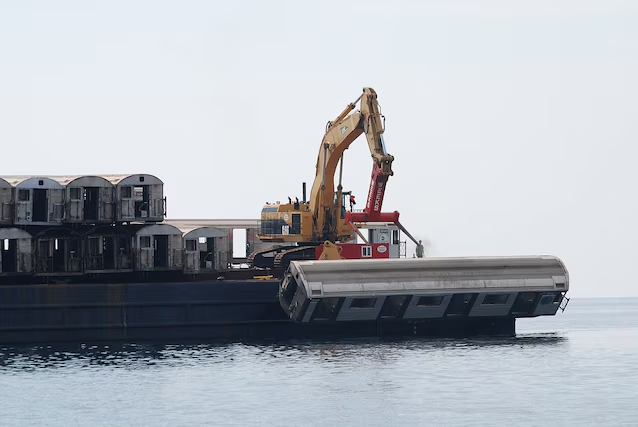
Looking beyond ships, between 2001 and 2010 the New York subway descended into the Atlantic beyond 2,500 decommissioned wagonswhich have become a refuge for fish and molluscs. In Mexico, off the coast of Cancún, the MUSA underwater museum has submerged over 500 concrete statues since 2009.
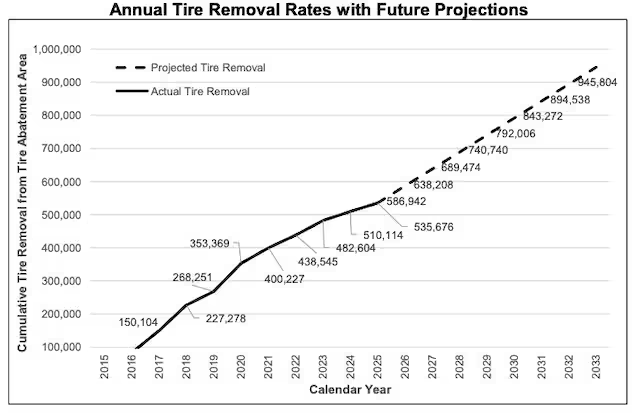
These projects do not always succeed. In 1972, in front of Fort Lauderdaleup to two million were thrown into the sea tyres to create a barrier. It was a disaster: the tires, too light, rolled with the currents killing the nearby corals. The cleanup continues today under the Florida Department of Environmental Protection program NOAA Marine Debris. That’s why today approved materials must be heavy, stable and inert, like concrete or carefully cleaned ships.