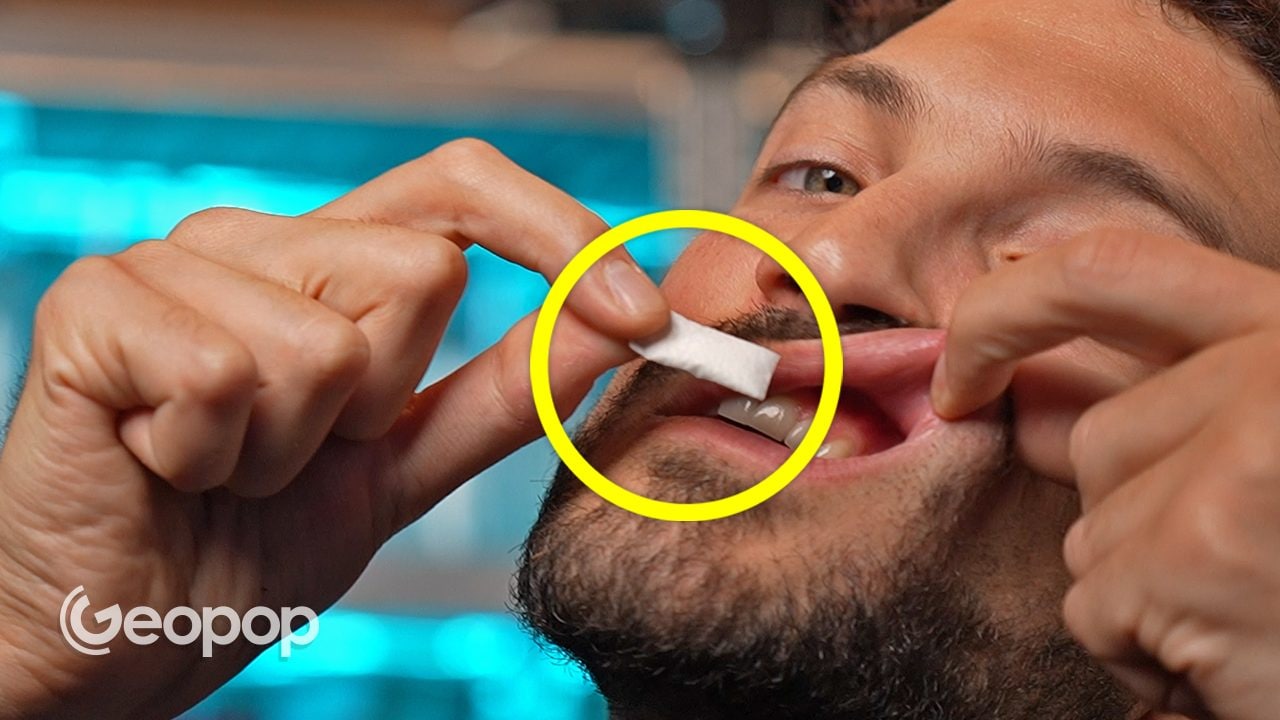
In tobacconists you can find i nicotine bagsalso called nicotine pouches. They differ from snuss Swedes because they do not contain tobaccobut a mix of powdered substances including nicotine. The nicotine pouchesincreasingly popular, contain ingredients such as cellulose, pH regulators, flavors and other additives that vary depending on the brand. In Italy and Europe they are subject to precise limits by law (up to 16.6 mg of nicotine per pouch) and the label must contain both information on the substances present inside and on medical warnings. But are they really an alternative to “classic” cigarette smoking? Even if it seems, there is no scientific proof that help to quit smoking, while several studies, such as those published on Drug and Alcohol Dependence Reports or Clin Pharmacol Therexplain how the high concentration of nicotine can cause addiction and increase cardiovascular risks.
What the law in Italy says about nicotine pouches
Until recently, these products were in a sort of “gray area”: they were bought online without too many checks and often there was no information or information on the packages ingredients nor on warnings. Indeed, some investigations (such as that of Altroconsumo) had found bags online with 40 mg of nicotine, the equivalent of smoking 10 cigarettes all together.
With the Law of Budget 2026things have changed. Producers now have the obligation to:
- Report clearly chemical composition they ingredients on health
- Respect a limit maximum Of 16.6 mg of nicotine per single pouch
- Insert warnings healthcare visible on the packaging
Despite these rules, there are still packages in circulation (perhaps previous stocks) that do not list the ingredients, speaking generically of “cellulose and flavourings”.
What they contain and what the ingredients are used for
If we read a complete label, we find terms that might be scary at first glance. Here’s what they’re really for:
- Cellulose microcrystalline: a plant fiber reduced to crystals that replaces tobacco, acting as a “sponge” to hold the rest of the ingredients
- Nicotine (in salts or Polacrilex): It is clearly the “active ingredient”. In the Polacrilex form, the nicotine is bound to a resin that releases it slowly
- Sodium hydroxide (caustic soda), carbonate And baking soda: they seem dangerous, but here they serve as pH regulators. Nicotine is better absorbed by the mucous membranes if the environment is basic (pH>7). These ingredients raise the pH of the saliva, allowing the nicotine to “release” and immediately penetrate the blood
- Sodium alginate, hydroxypropyl cellulose And gum arabic: they are stabilizers that serve to maintain the humidity and consistency of the bag
- Sweeteners (Xylitol, Sucralose, Acesulfame K (or potassium)): They serve to give sweetness to the bag
- Flavors: they give flavor to the bag.
Side effects, risks and usefulness for quitting smoking
Nicotine, as this study reports, is a substance that gives a strong addiction and which has direct effects on our body, both acute and chronic. A bag of 11 mg equals approximately 3 cigarettes taken at the same time. This can cause tachycardia, increased blood pressure, severe nausea, cold sweats and vomiting. Furthermore, nicotine damages the cardiovascular system and, although not carcinogenic in itself, can favor the proliferation of the Papilloma Virus (HPV)indirectly contributing to the development of related pathologies.
To date there is no scientific proof that these bags help you quit smoking. Often we just end up replacing one addiction with another, with the risk of taking much higher doses of nicotine than with traditional cigarettes. According to the international guidelinesthe best way to stop smoking is to be followed by doctors and experts. If necessary, certified drugs or nicotine replacement products can be used, ensuring that the doses are correct.
